Foods and Habits That Support Joint and Bone Health

Quick Take
- ✓ Incorporate calcium-rich foods like dairy and greens for bone strength.
- ✓ Omega-3 fatty acids from fish may support joint comfort.
- ✓ Regular exercise and a balanced diet are crucial for joint and bone health.
Foods and Habits That Support Joint and Bone Health
Maintaining joint and bone health is essential for ensuring smooth movement, steady balance, and overall daily comfort. As we age, these components of our body can become more vulnerable, making it crucial to engage in practices that support their strength and flexibility. Understanding the role of foods and habits in sustaining joint and bone health is vital for everyone aiming to lead an active and comfortable life.
The foods we consume and the lifestyle choices we make play a significant role in nurturing our joint and bone health. Incorporating nutrient-rich foods into your diet and adopting supportive habits may enhance your body's ability to stay strong and flexible. In this article, we explore the foods and habits that can contribute to healthy joints and bones, ensuring you maintain an active lifestyle.
Why Joint and Bone Health Matters Over Time
Joint and bone health becomes increasingly important as we age due to natural changes in our bodies. Bones tend to lose density and strength, while joints may experience wear and tear. This can lead to reduced mobility and increased discomfort during daily activities. Prioritizing joint and bone health can support long-term physical wellness and help maintain independence.
How Joints and Bones Work Together in Movement
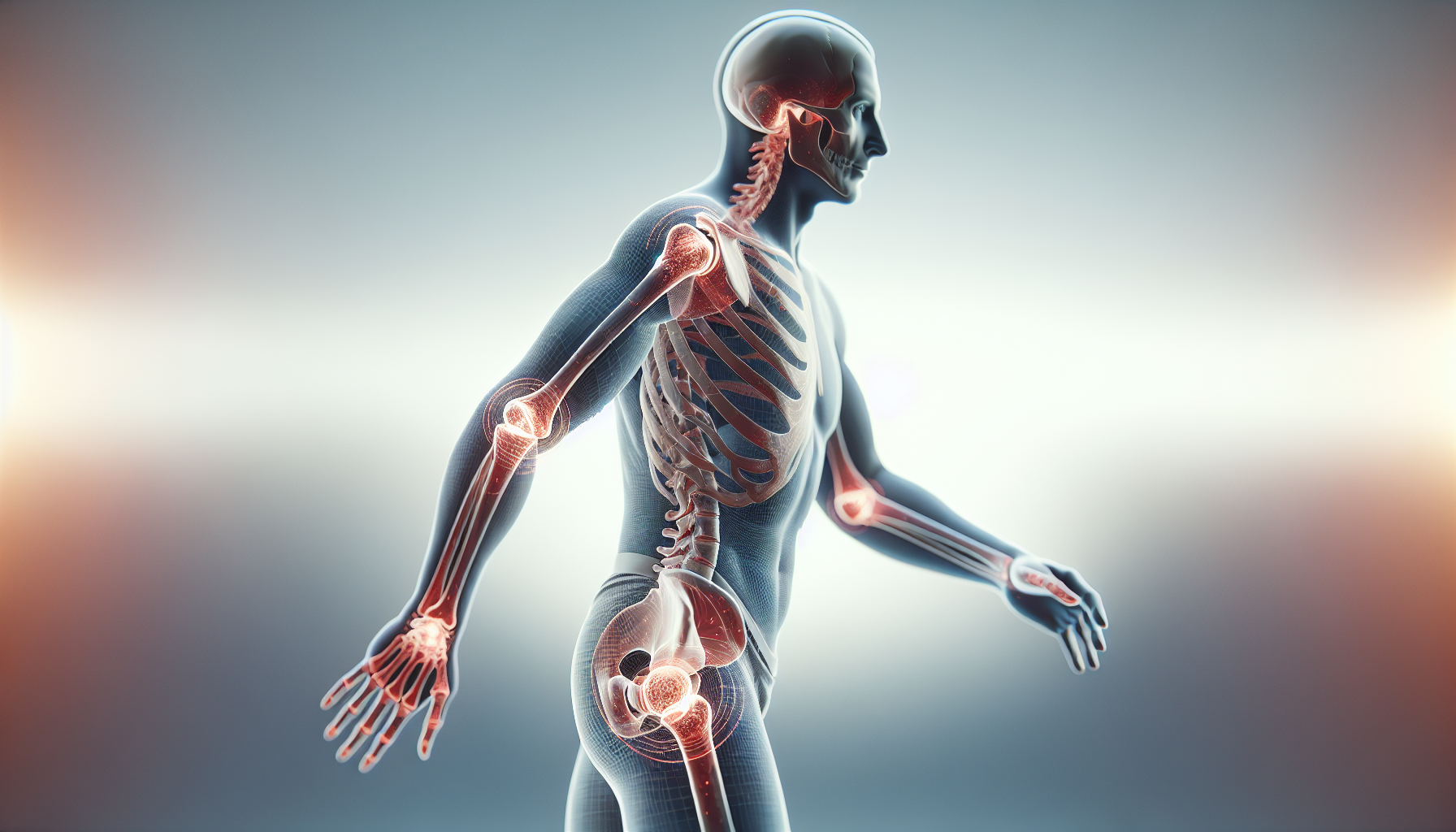
Joints and bones function together as a coordinated system to facilitate movement. Bones provide the structural framework, while joints act as pivots, enabling flexibility. This synergy allows for a range of motions, from simple daily tasks to complex athletic maneuvers. Maintaining the health of both is crucial for optimal movement and posture.
Nutrients Commonly Associated With Joint and Bone Health
Several nutrients are integral to joint and bone health. Calcium and vitamin D are well-known for their role in bone strength and density. Omega-3 fatty acids may support joint comfort by reducing inflammation. Additionally, vitamin C is vital for collagen production, which helps maintain joint flexibility and integrity.
Foods That May Support Bone Strength
Incorporating certain foods into your diet can help support bone strength. Dairy products such as milk, cheese, and yogurt are rich in calcium. Leafy greens like kale and spinach also provide this essential mineral. Fortified foods, such as certain cereals and plant-based milks, can offer additional vitamin D to aid calcium absorption.
Joint-Supporting Foods for Comfort and Mobility
For joint support, consider adding fatty fish like salmon and mackerel to your diet. These fish are high in omega-3 fatty acids, which may help maintain joint health. Nuts and seeds, such as walnuts and flaxseeds, are also excellent sources of these beneficial fats. Including a variety of these foods can contribute to joint comfort and mobility.
How Nutrition May Influence Stiffness and Flexibility
Proper nutrition can play a role in reducing stiffness and enhancing flexibility. Antioxidant-rich foods like berries, oranges, and peppers may help reduce oxidative stress in joints. Staying hydrated by drinking plenty of water also supports joint lubrication, potentially influencing overall flexibility and ease of movement.
Daily Habits That Support Joint and Bone Health
Beyond diet, certain daily habits can support joint and bone health. Regular physical activity, including weight-bearing exercises, may help maintain bone density and joint flexibility. Additionally, maintaining a healthy weight reduces stress on joints, promoting comfort and mobility.
Common Myths About Joint and Bone Health
There are several myths surrounding joint and bone health. One common misconception is that only older adults need to worry about bone and joint health. In reality, habits established early in life can have long-term benefits. Another myth is that only strenuous exercise is beneficial; however, moderate activities like walking and swimming can also support joint and bone health.
Who Should Be Careful With Joint and Bone Nutrition
While adopting a healthy lifestyle can benefit most people, certain groups should be particularly mindful of joint and bone nutrition. Individuals with allergies or sensitivities to specific foods should consider alternatives to meet their nutritional needs. Older adults and those on certain medications should consult healthcare professionals to ensure their diet supports their health goals.
In conclusion, the foods and habits we incorporate into our daily lives can significantly influence our joint and bone health. By choosing a balanced diet rich in essential nutrients and engaging in supportive lifestyle practices, we can help maintain our body's strength, flexibility, and mobility over time.
This article is for informational purposes only and does not constitute medical advice. Individual responses may vary; consult a qualified professional for personalized guidance.
Myths vs Facts
Only older adults need to care about joint and bone health.
Joint and bone health is important at all ages for long-term wellness.
Only intense exercise benefits bones.
Moderate activities like walking can also support bone density and joint health.
Calcium supplements are the only way to support bone health.
A balanced diet with foods high in calcium and vitamin D can also be effective.
References
- Harvard Health Publishing - The Nutrition Source
- National Institutes of Health - Calcium and Vitamin D: Important at Every Age
- World Health Organization - Diet, nutrition and the prevention of chronic diseases
Frequently Asked Questions
What foods are rich in calcium for bone health?
How can I incorporate more omega-3s into my diet?
Can exercise really improve joint and bone health?
Are there specific vitamins that support joint health?
Who should consider consulting a healthcare professional about joint and bone health?
Disclaimer: The information on this site is for educational and informational purposes only. It is not intended as medical advice. Always consult a qualified healthcare professional before making changes to your diet, exercise, or health routine. Results may vary.
Last updated: March 3, 2026.