How Nutrition May Influence Hormone Balance Over Time
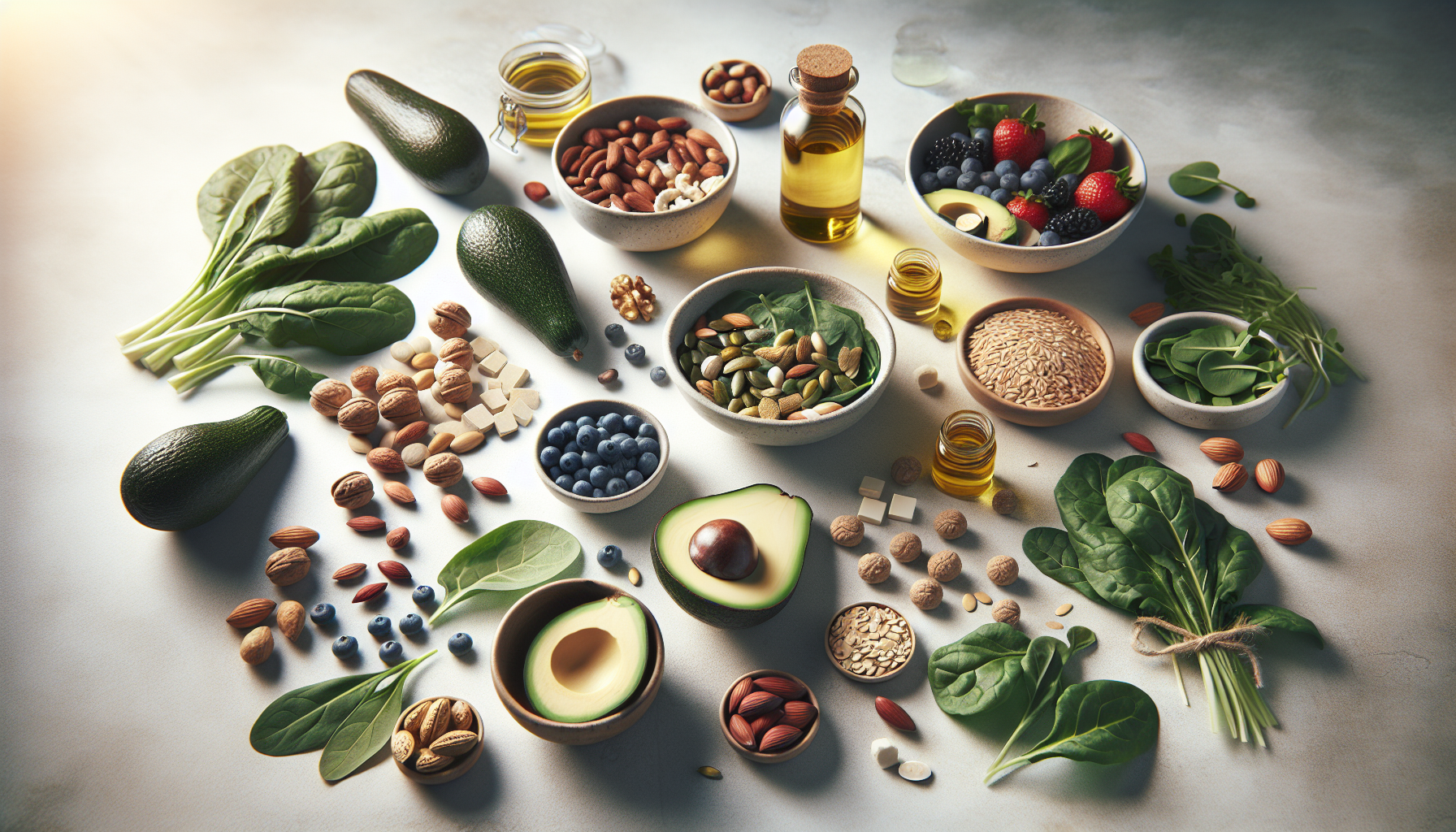
Quick Take
- ✓ Nutrition plays a crucial role in hormone regulation.
- ✓ Healthy fats and proteins are essential for hormone production.
- ✓ A varied diet supports overall hormonal health.
How Nutrition May Influence Hormone Balance Over Time
Hormones play a pivotal role in regulating a myriad of bodily functions, from metabolism to mood and energy levels. Achieving and maintaining hormone balance is essential for overall well-being, as imbalances can lead to a variety of health issues. Many people are turning to their diets to help support this balance, focusing on what are often termed 'hormone balance foods'.
Incorporating certain nutrients and foods into your daily meals may influence hormonal harmony over time, offering a natural way to support your body's needs. Understanding how nutrition interplays with hormone balance can empower you to make informed food choices that contribute to your long-term health.
Why Hormone Balance Matters for Overall Health
Hormones are chemical messengers that orchestrate many aspects of bodily functions. They are involved in regulating metabolism, energy levels, reproductive health, mood, and even sleep patterns. When hormones are out of balance, it can lead to symptoms such as fatigue, weight gain, mood swings, and disrupted sleep.
Maintaining hormone balance is crucial because it helps ensure that the body's systems function optimally. While various factors, including genetics and lifestyle, affect hormone levels, nutrition is a significant aspect that individuals can control to help support balance.
How Food Is Linked to Hormonal Balance
Food provides the building blocks for hormone production and regulation. Certain nutrients are essential for synthesizing hormones and supporting hormonal pathways. For example, healthy fats are crucial for producing steroid hormones, while proteins provide amino acids necessary for hormone synthesis.
Moreover, the consumption of specific foods can influence the body's hormonal responses. For instance, foods with a low glycemic index can help maintain stable blood sugar levels, which is vital for insulin balance—a key hormone that affects metabolism and energy storage.
Nutrients Commonly Associated With Hormone Balance
Several nutrients are particularly associated with supporting hormone balance. Omega-3 fatty acids, found in fatty fish, chia seeds, and flaxseeds, are known for their anti-inflammatory properties, which may help regulate hormones like cortisol and insulin.
Other vital nutrients include vitamin D, which is linked to reproductive hormone production, and magnesium, known for its role in managing stress hormones. Ensuring adequate intake of these nutrients through diet or supplementation can be beneficial.
Hormone Balance Foods for Energy and Metabolism
For sustained energy and a healthy metabolism, incorporating foods like whole grains, lean proteins, and a variety of fruits and vegetables can be beneficial. Whole grains provide fiber, which supports digestive health and stable blood sugar levels, while lean proteins supply essential amino acids.
Including foods rich in B vitamins, like eggs and legumes, can also support energy production by aiding in the metabolism of carbohydrates, fats, and proteins.
Foods That May Support Stress and Mood Balance
Stress and mood are significantly influenced by hormonal changes. Foods rich in tryptophan, such as turkey and nuts, can help support serotonin production, potentially enhancing mood and reducing anxiety. Additionally, dark chocolate, which contains flavonoids, may support mood regulation.
Probiotic-rich foods like yogurt and fermented vegetables can also promote gut health, which is increasingly linked to mental well-being and stress management.
Hormone Balance Foods for Women and Men
Both men and women can benefit from hormone-balancing foods, although their needs may differ slightly. For women, foods rich in phytoestrogens, like soy products and flaxseeds, can be supportive during menopause by mimicking estrogen in the body.
Men may benefit from foods that promote testosterone production, such as those rich in zinc and vitamin D, like shellfish and fortified dairy products. A balanced diet that includes a variety of nutrients can support both genders' hormonal health.
Daily Eating Habits Linked to Hormonal Balance
Consistent eating habits can significantly influence hormone regulation. Regular meal times help maintain stable blood sugar levels, which is crucial for insulin management. Additionally, staying hydrated supports overall bodily functions, including hormonal balance.
Incorporating mindful eating practices, such as savoring each bite and avoiding distractions during meals, can also positively affect digestion and stress levels, contributing to hormonal harmony.
Common Myths About Hormone Balance Foods
There are several myths surrounding hormone balance foods. One common misconception is that certain foods can instantly reset hormones. In reality, hormone balance is a gradual process influenced by a combination of dietary, lifestyle, and genetic factors.
Another myth is that eliminating all fats from the diet is beneficial. In fact, healthy fats are essential for hormone production and should be included in moderation.
Who Should Be Careful With Hormone Balance Nutrition
While many people can benefit from hormone-balancing foods, individuals with specific health conditions should be cautious. Those with food allergies or sensitivities need to identify and avoid trigger foods. Additionally, people on certain medications should consult with healthcare providers, as dietary changes can interact with medications.
Pregnant or breastfeeding women should also seek professional guidance to ensure their nutritional choices support both their own and their baby's health without unintended effects.
In summary, embracing a well-rounded diet rich in diverse nutrients may support hormonal balance over time. By choosing foods that promote stable hormone levels, you can foster a healthier lifestyle that contributes to overall well-being and vitality. Remember, nutrition is just one piece of the puzzle, and a holistic approach, including stress management and regular physical activity, is essential for optimal health.
This article is for informational purposes only and does not constitute medical advice. Individual responses may vary; consult a qualified professional for personalized guidance.
Myths vs Facts
Certain foods can instantly reset hormones.
Hormone balance is a gradual process influenced by various factors.
Eliminating fats helps balance hormones.
Healthy fats are vital for hormone production and should be included in the diet.
Only women need to worry about hormone balance foods.
Both men and women benefit from hormone-balancing foods for overall health.
References
- Harvard Health Publishing - The importance of a balanced diet
- National Institutes of Health - Dietary Guidelines for Americans
- World Health Organization - Healthy diet
Frequently Asked Questions
What are hormone balance foods?
Can diet alone balance hormones?
Are there specific foods to avoid for hormone balance?
How can I incorporate hormone balance foods into my diet?
Should I take supplements to support hormone balance?
Disclaimer: The information on this site is for educational and informational purposes only. It is not intended as medical advice. Always consult a qualified healthcare professional before making changes to your diet, exercise, or health routine. Results may vary.
Last updated: March 3, 2026.