How Nutrition May Influence Immune Health Over Time
Quick Take
- ✓ Consistent, balanced nutrition can support immune health over time.
- ✓ Key nutrients like vitamins C, D, and zinc are associated with immune function.
- ✓ Foods supporting gut health may also contribute to immune resilience.
How Nutrition May Influence Immune Health Over Time
The immune system is your body's defense mechanism, tirelessly working to keep you resilient against various challenges. While genetics and lifestyle factors play a role in immune health, nutrition has emerged as a crucial element that may support this complex system over time. The concept of 'immune boosting foods' often enters discussions about nutrition and health, emphasizing the potential influence of specific foods on immune function.
By incorporating certain nutrient-rich foods into your diet, you may support your body's natural defense mechanisms. This article delves into how nutrition might influence immune health over time, highlighting foods that are commonly associated with immune support.
Why Immune Health Matters in Everyday Life
Every day, your immune system protects you from bacteria, viruses, and toxins. A balanced immune system is essential for maintaining health and resilience. Supporting immune function can contribute to quicker recovery from illnesses and potentially reduce the frequency of common colds and other minor infections.
How Nutrition Is Linked to Immune Support
The link between nutrition and immune health is supported by a wealth of research. Nutrients such as vitamins, minerals, antioxidants, and healthy fats play pivotal roles in maintaining immune function. They may help in the production of immune cells, support the integrity of physical barriers, and reduce inflammation.
Key Nutrients Commonly Associated With Immune Function
Several nutrients are frequently highlighted for their potential role in supporting immune health:
- Vitamin C: Found in citrus fruits, berries, and leafy greens, vitamin C is known for its antioxidant properties.
- Vitamin D: Often synthesized via sunlight exposure, it can also be found in fortified foods and fatty fish, and is thought to modulate immune responses.
- Zinc: Present in nuts, seeds, and legumes, zinc is crucial for immune cell function.
- Omega-3 Fatty Acids: These healthy fats, found in fish and flaxseeds, may reduce inflammation and support immune health.
Immune Boosting Foods for Daily Meals
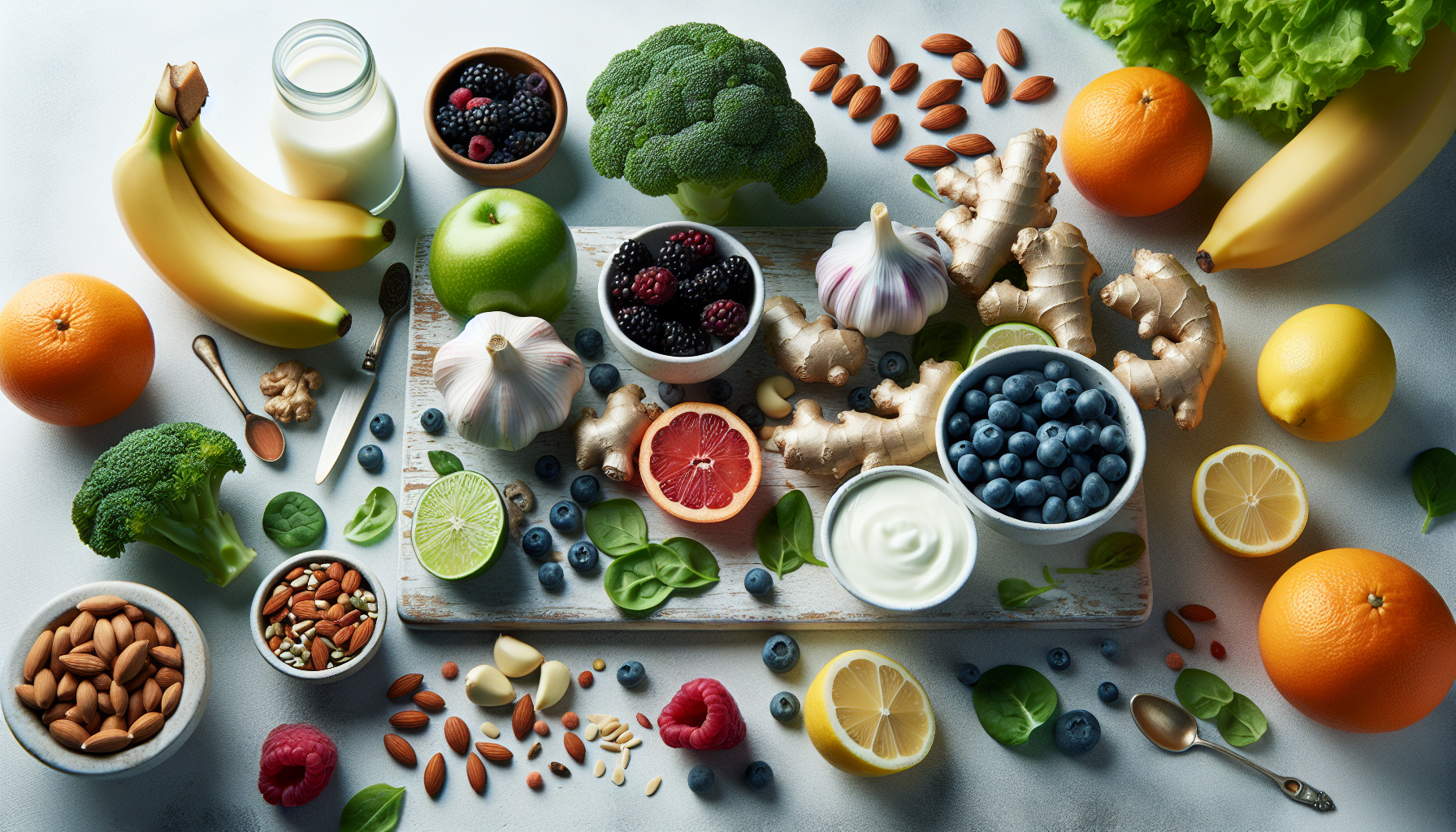
Incorporating a variety of foods rich in these nutrients into your daily meals can be a practical step to support your immune system. Here are some examples:
- Berries: Add them to yogurt or oatmeal for a vitamin C boost.
- Leafy Greens: Include spinach or kale in salads or smoothies.
- Fatty Fish: Enjoy salmon or mackerel for a dose of omega-3s.
- Nuts and Seeds: Snack on almonds or sunflower seeds for zinc and vitamin E.
Foods That May Support Gut and Immune Health
The gut plays a pivotal role in immune function, making gut-friendly foods important for immune support. Probiotics found in yogurt and fermented foods like kimchi and sauerkraut may support gut health, thereby contributing to overall immune resilience.
Seasonal Eating and Immune Support
Eating seasonally not only supports local agriculture but also ensures a diverse intake of nutrients. Seasonal fruits and vegetables are often rich in vitamins and minerals that support immune health, such as squash in the fall and berries in the summer.
Everyday Habits That Support Immune Health
Beyond nutrition, certain lifestyle habits can enhance immune support. Regular physical activity, adequate hydration, sufficient sleep, and stress management all contribute to a balanced immune system.
Common Myths About Immune Boosting Foods
There are several myths surrounding immune boosting foods. For instance, the idea that you can "boost" your immune system overnight with a single food is misleading. Immune health is complex and requires consistent, balanced nutrition over time.
Who Should Be Careful With Immune Support Nutrition
While many foods are generally beneficial, individuals with allergies, sensitivities, or those on specific medications should be cautious. Certain foods may interact with medications or exacerbate allergies, highlighting the importance of personalized dietary advice.
In conclusion, while no single food can guarantee immunity, a balanced diet rich in diverse nutrients can support immune health over time. By incorporating a variety of nutrient-dense foods and maintaining healthy lifestyle habits, you may foster a resilient immune system.
This article is for informational purposes only and does not constitute medical advice. Individual responses may vary; consult a qualified professional for personalized guidance.
Myths vs Facts
Eating garlic alone can prevent colds.
While garlic has health benefits, no single food can prevent colds. A balanced diet is essential.
You can boost your immune system with supplements alone.
Supplements can support a diet, but whole foods provide necessary nutrients and other health benefits.
The more vitamins, the better for immune health.
Excessive intake of vitamins can be harmful. Balanced nutrition is key to supporting immune health.
References
- Harvard Health Publishing - The immune system and nutrition
- National Institutes of Health - Dietary Supplements for Immunity
- World Health Organization - Healthy diet
Frequently Asked Questions
What are some foods that naturally support immune health?
Can I boost my immune system with a single food?
How does gut health relate to immune function?
Are there any risks associated with immune boosting foods?
What lifestyle changes can support immune health?
Disclaimer: The information on this site is for educational and informational purposes only. It is not intended as medical advice. Always consult a qualified healthcare professional before making changes to your diet, exercise, or health routine. Results may vary.
Last updated: March 4, 2026.