How to Add Superfoods to Your Diet: Simple & Effective Tips

Introduction
Superfoods are known for their high nutritional density, offering a range of vitamins, minerals, and antioxidants that may support overall health. Incorporating these nutrient-rich foods into your diet can be simple and rewarding, potentially enhancing your body, skin, and muscle health. This article will guide you on how to integrate superfoods into your daily meals effectively.
What Are Superfoods?
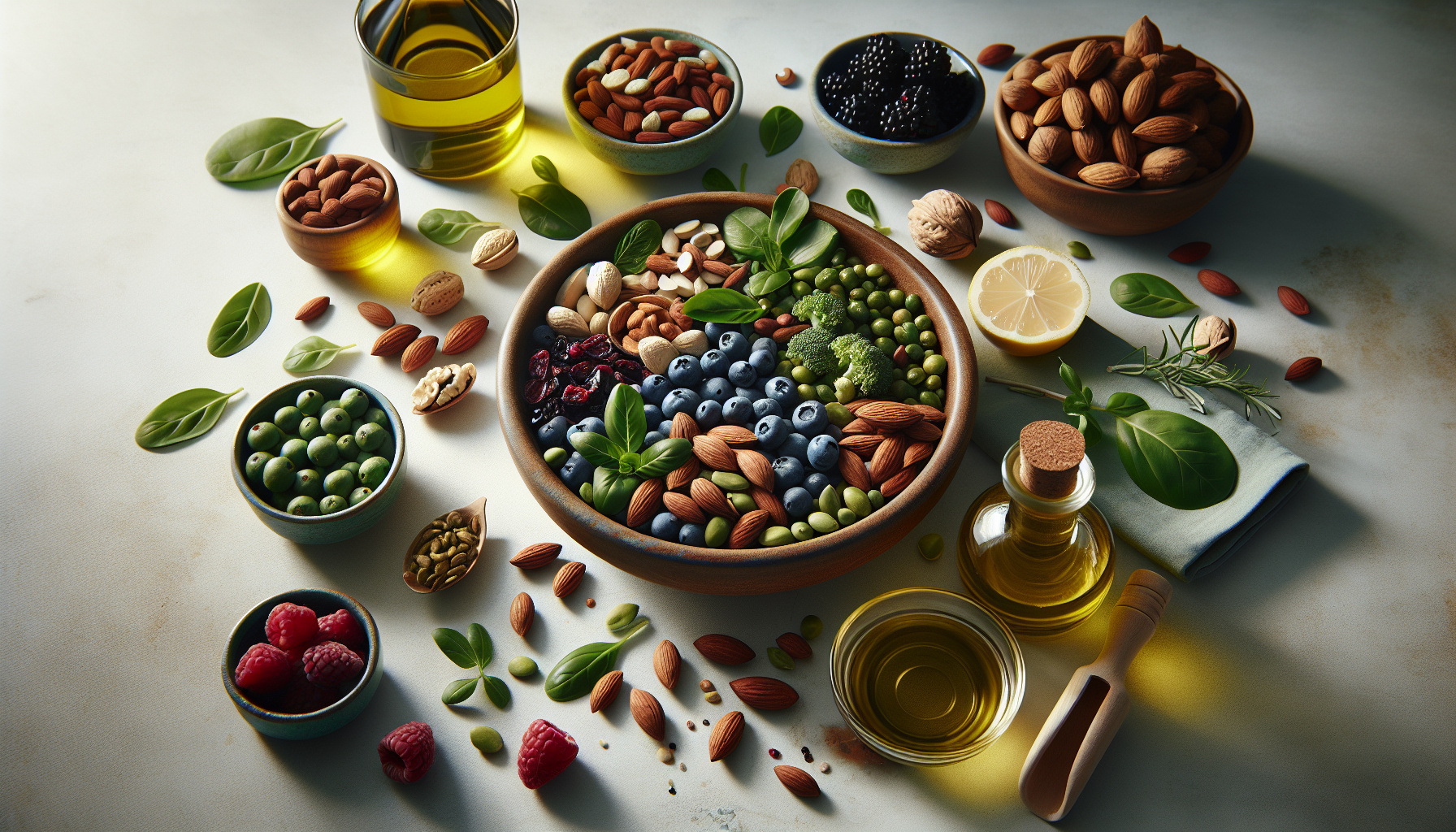
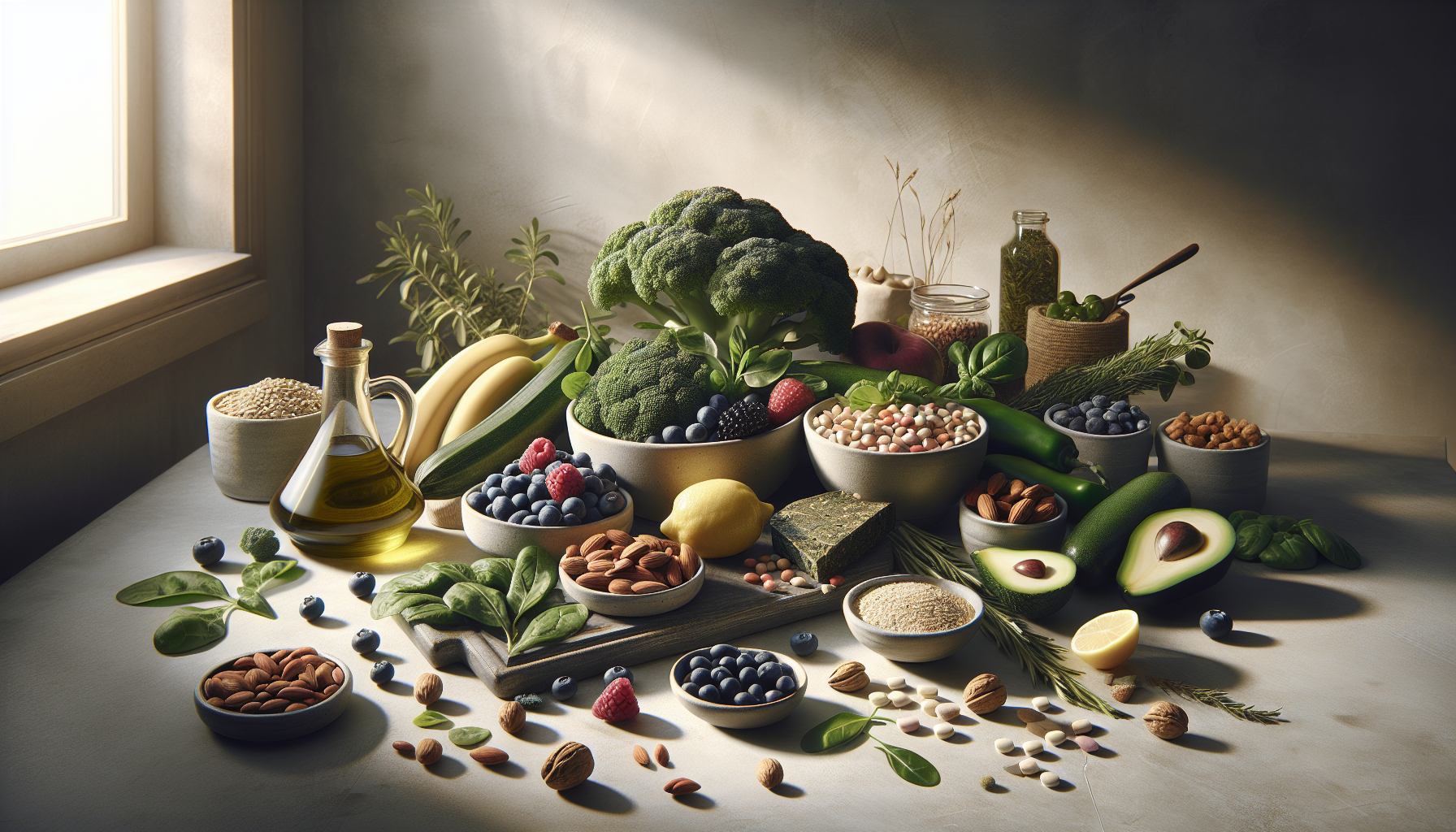
Superfoods are natural foods considered exceptionally beneficial due to their nutrient profile. They typically contain high levels of vitamins, minerals, and antioxidants. Common superfoods include berries, nuts, seeds, leafy greens, and fatty fish. While they are not a cure-all, these foods can complement a balanced diet.
Benefits of Superfoods
Superfoods may support various health aspects, including improved energy levels, enhanced immune function, and better skin health. For instance, fatty fish like salmon and mackerel are rich in omega-3 fatty acids, which are associated with heart health and anti-inflammatory effects. Leafy greens like spinach are packed with vitamins A, C, and K, which may support skin and bone health.
How to Add Superfoods
Incorporating superfoods into your diet doesn't have to be complicated. Here are some tips:
- Start Small: Begin by adding one or two superfoods to your meals each week.
- Mix & Match: Combine superfoods with your favorite dishes, such as adding berries to your breakfast cereal or smoothie.
- Meal Prep: Plan meals ahead of time to include superfoods like quinoa, chia seeds, or kale.
- Snacks: Keep superfood-rich snacks like nuts and dark chocolate on hand for a nutritious boost.
Who Should Be Cautious?
While superfoods are generally safe, individuals with specific allergies or those on medication should consult healthcare professionals before making dietary changes. Some superfoods can interact with medications or may not be suitable for everyone.
Myths vs Facts
- Myth: Superfoods cure diseases.
Fact: Superfoods can support overall health, but they do not cure diseases. - Myth: You need to eat superfoods daily for benefits.
Fact: Regular inclusion of superfoods can be beneficial, but daily consumption is not necessary. - Myth: Superfoods are always expensive.
Fact: Many superfoods are affordable, like beans and oats. - Myth: Superfoods are only exotic foods.
Fact: Common foods like apples and spinach are also considered superfoods.
FAQs
- What are superfoods?
Superfoods are nutrient-rich foods considered beneficial for health due to their high levels of vitamins, minerals, and antioxidants.
- Can superfoods replace a balanced diet?
No, superfoods should complement a balanced diet, not replace it. A varied diet is essential for overall health.
- Are superfoods suitable for everyone?
Most people can benefit from superfoods, but those with allergies or on medication should consult a professional.
- What are some common superfoods?
Common superfoods include blueberries, almonds, kale, salmon, and quinoa.
- How can I start adding superfoods to my diet?
Start by incorporating a few superfoods into your meals each week, such as adding berries to yogurt or spinach to smoothies.
References & Further Reading
- Harvard Health Publications: Articles on nutrition and superfoods.
- World Health Organization (WHO): Reports on dietary guidelines.
- National Institutes of Health (NIH): Articles on the health benefits of superfoods.
- PubMed: Review articles on superfoods and their benefits.
- Mayo Clinic: Expert insights into healthy eating and superfoods.
- American Heart Association (AHA): Information on heart-healthy diets.
References
Disclaimer: The information on this site is for educational and informational purposes only. It is not intended as medical advice. Always consult a qualified healthcare professional before making changes to your diet, exercise, or health routine. Results may vary.
Last updated: February 27, 2026.