Exploring Different Types of Meditation and How They Are Practiced

Quick Take
- ✓ Meditation encompasses various practices, each offering unique benefits for mental well-being.
- ✓ Regular meditation may support stress reduction and enhance emotional balance.
- ✓ Starting with simple practices like mindfulness can help beginners ease into meditation.
Exploring Different Types of Meditation and How They Are Practiced
Meditation has become a cornerstone in modern wellness practices, offering a sanctuary of calm in our fast-paced lives. As people seek ways to bolster mental well-being, the variety of meditation practices has grown, each offering unique methods to cultivate focus, awareness, and relaxation.
With numerous types of meditation available, understanding their distinct approaches can help individuals select the most suitable practice. This exploration into the world of meditation reveals how these practices may support mental clarity and emotional balance.
Why Meditation Has Become So Popular
The surge in meditation's popularity can be attributed to its accessibility and potential benefits. As stress levels rise globally, meditation offers a non-invasive way to nurture mental health. Many people find that meditation helps create a sense of calm and improve focus, making it an attractive option for those seeking balance in their lives.
What Happens When You Practice Meditation Regularly
Regular meditation practice is associated with numerous potential benefits. Individuals who meditate consistently may experience enhanced mental clarity, reduced stress, and improved emotional resilience. These outcomes are attributed to meditation's ability to promote awareness and relaxation, fostering a more balanced mental state.
How Meditation May Support Stress and Emotional Balance
Meditation is often linked to stress reduction and emotional balance. By practicing mindfulness, individuals can develop a greater awareness of their thoughts and feelings, which may lead to better emotional regulation. Techniques such as focused breathing and body scanning can create a soothing effect, potentially reducing stress levels.
Meditation and Its Role in Focus and Mental Clarity
Many individuals turn to meditation to enhance their concentration and mental clarity. Practices like Zen meditation or focused attention meditation encourage the development of sustained attention. Over time, practitioners may find that their ability to concentrate improves, leading to greater productivity and mental acuity.
Different Types of Meditation Explained Simply
There are several types of meditation, each with unique characteristics:
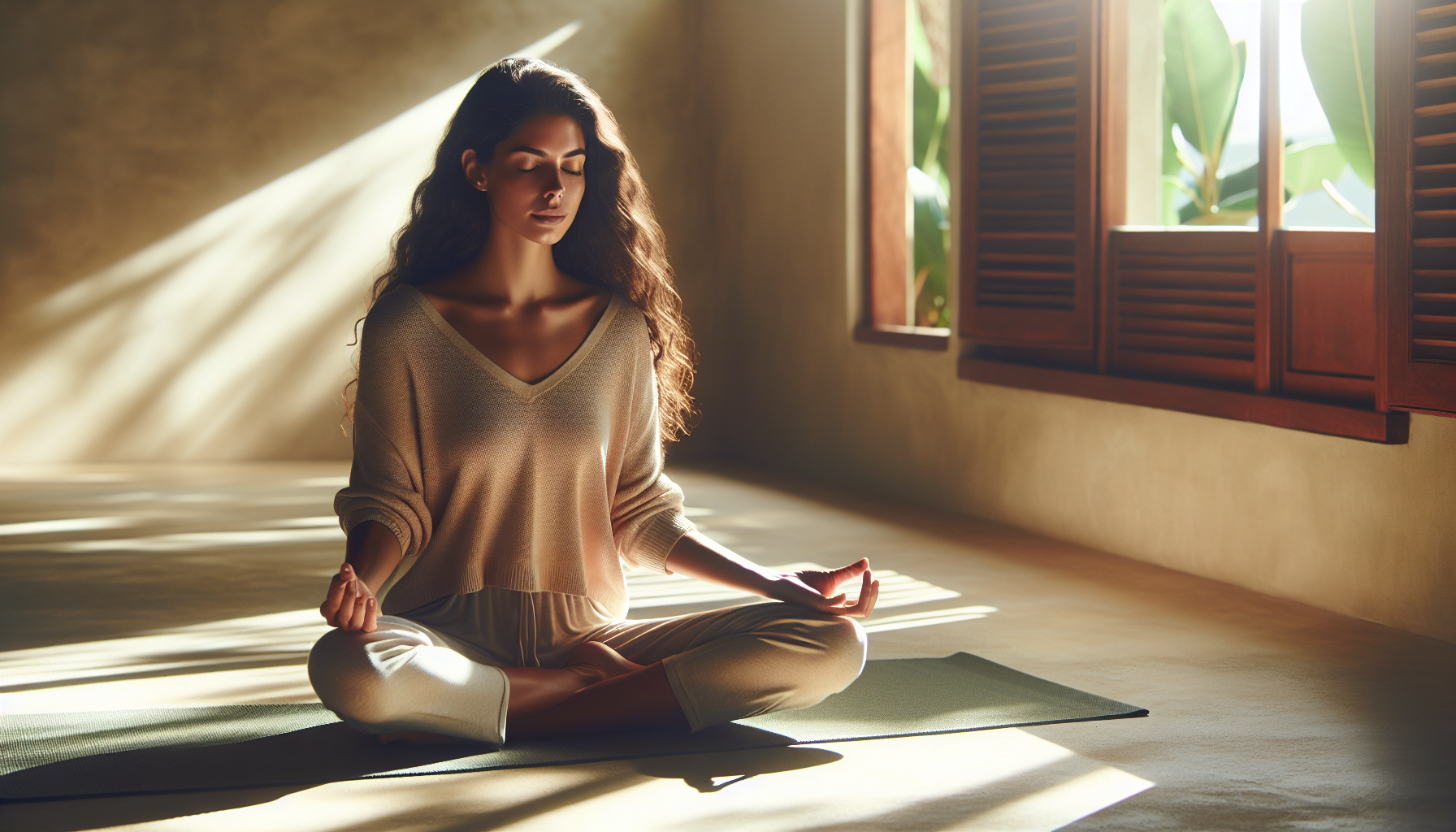
- Mindfulness Meditation: Focuses on present-moment awareness, often by observing thoughts and sensations without judgment.
- Transcendental Meditation: Involves silently repeating a mantra to settle the mind into a state of profound rest.
- Guided Visualization: Utilizes mental images guided by a facilitator to evoke a sense of calm and relaxation.
- Loving-Kindness Meditation: Cultivates compassion by directing positive thoughts and wishes towards oneself and others.
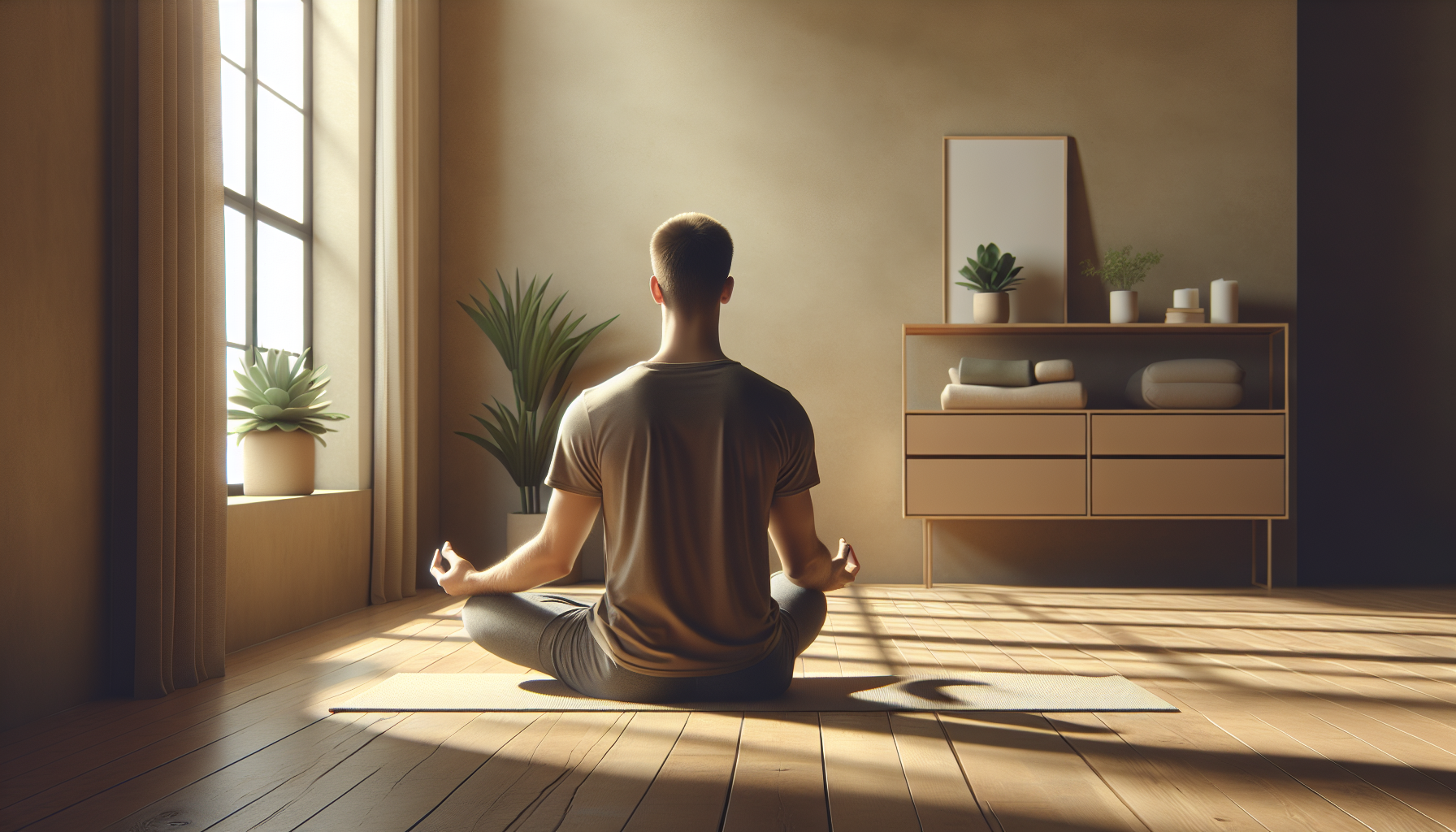
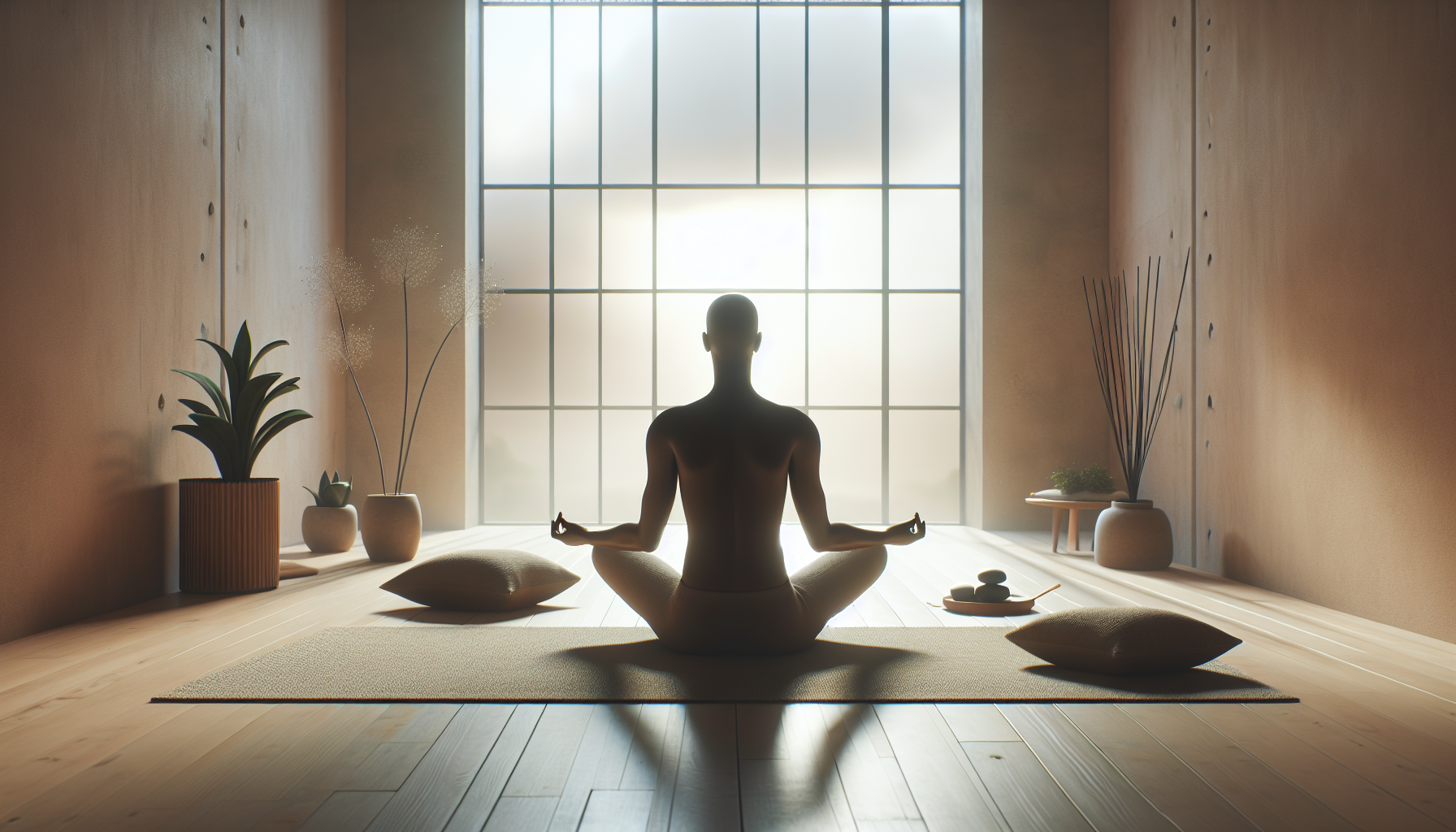
- Zen Meditation (Zazen): Emphasizes seated meditation and breathing techniques to develop deep concentration.
How to Start a Simple Daily Meditation Practice
For beginners, establishing a meditation routine can be simple yet transformative. Here are a few tips:
- Set a Time: Dedicate a specific time each day for meditation to build consistency.
- Create a Space: Designate a quiet, comfortable area to minimize distractions.
- Start Small: Begin with short sessions, gradually increasing duration as comfort grows.
- Focus on Breathing: Use breath awareness as a focal point to anchor your attention.
- Be Patient: Meditation is a skill that develops over time; allow yourself to grow into the practice.
Common Myths About Meditation
Meditation is often surrounded by misconceptions. Here are some myths debunked:
- Myth: Meditation requires clearing the mind completely.
- Fact: Meditation involves observing thoughts, not eliminating them.
- Myth: Meditation is only for spiritual purposes.
- Fact: Meditation can be secular and used for mental well-being.
- Myth: Meditation results are instant.
- Fact: Meditation benefits accrue over time with regular practice.
Who Should Be Careful With Meditation Practices
While meditation is generally safe, individuals with specific emotional sensitivities should approach it with caution. Those experiencing severe mental health issues may benefit from professional guidance to ensure practices are supportive rather than triggering. Always consult a healthcare provider if uncertain.
Meditation, with its diverse practices, offers a promising avenue for enhancing mental well-being and emotional balance. By integrating meditation into daily routines, individuals can cultivate a state of calm and clarity, enriching their overall quality of life.
This article is for informational purposes only and does not constitute medical advice. Individual experiences may vary; consult a qualified professional if you have specific mental health concerns.
Myths vs Facts
Meditation is only for spiritual individuals.
Meditation can be practiced by anyone for mental and emotional benefits.
Meditation requires sitting in silence for hours.
Even a few minutes of meditation can be beneficial.
Meditation offers quick fixes for stress.
Meditation's benefits develop over time with consistent practice.
References
- American Psychological Association - The Benefits of Meditation
- National Center for Complementary and Integrative Health - Meditation: In Depth
- Harvard Health Publishing - Mindfulness meditation: A research-proven way to reduce stress
Frequently Asked Questions
What is the best type of meditation for beginners?
How long should a beginner meditate?
Can meditation help with anxiety?
Is it necessary to meditate every day?
Can children practice meditation?
Disclaimer: The information on this site is for educational and informational purposes only. It is not intended as medical advice. Always consult a qualified healthcare professional before making changes to your diet, exercise, or health routine. Results may vary.
Last updated: March 2, 2026.