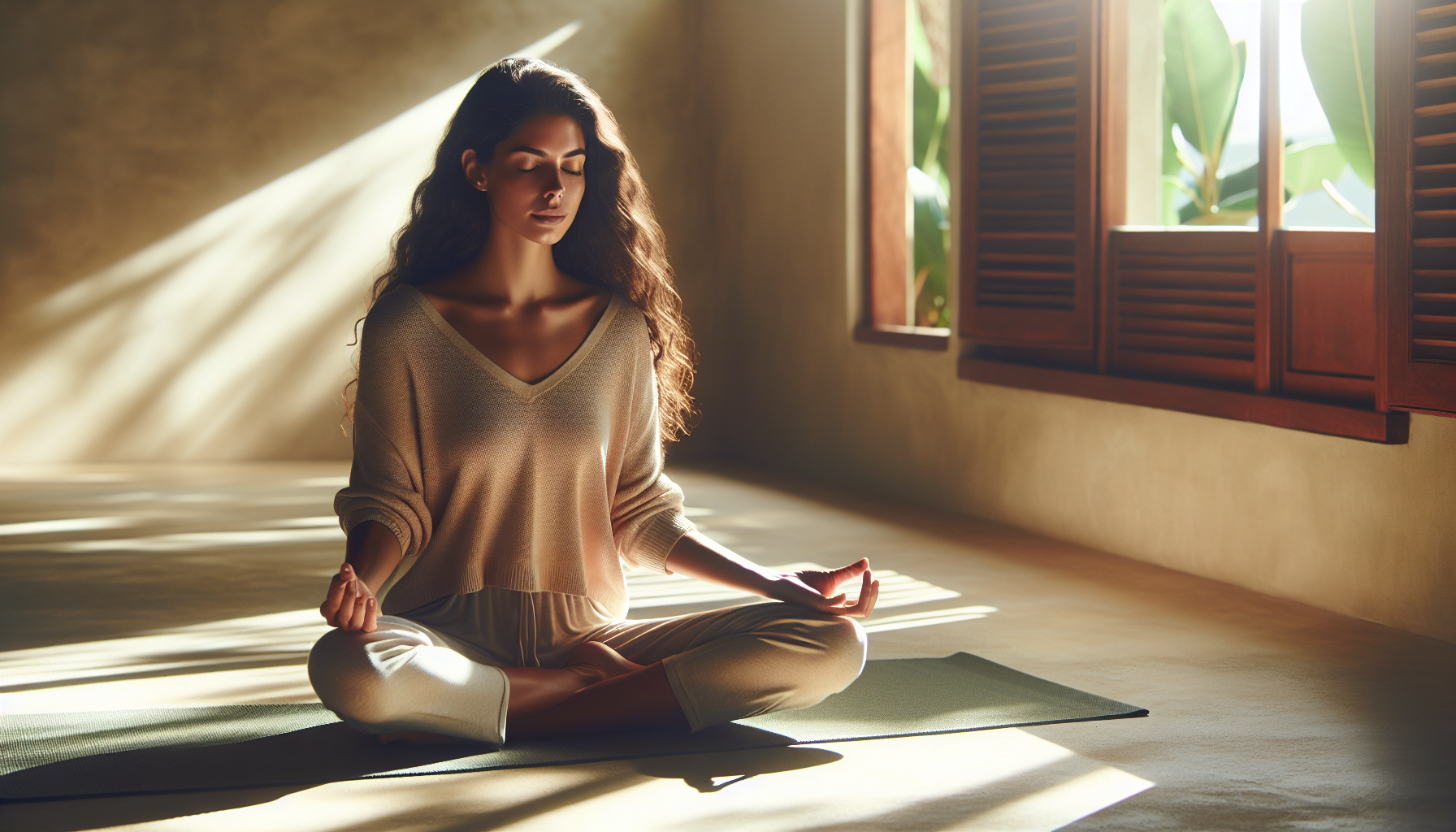
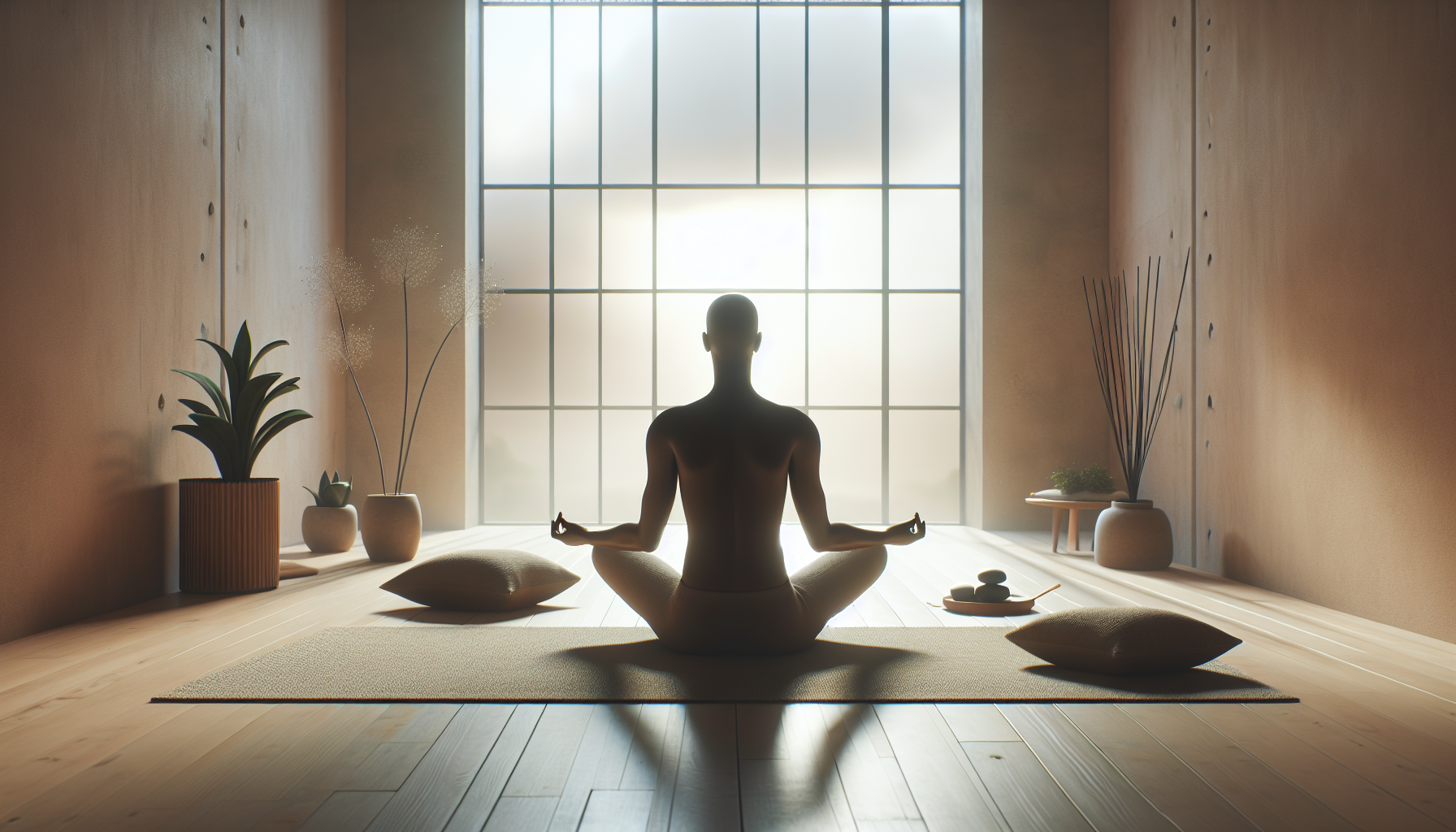
Meditation for Beginners: How to Start and Stay Consistent
Quick Take
- ✓ Meditation can support stress relief and emotional balance.
- ✓ Consistency is key to experiencing the full benefits of meditation.
- ✓ There are various meditation styles; find one that suits you.
Meditation for Beginners: How to Start and Stay Consistent
Meditation has become one of the most widely practiced wellness habits today, often praised for its potential to support mental clarity and stress relief. As a beginner, you might wonder how to start and stay consistent in your meditation practice. Thankfully, meditation for beginners can be both accessible and rewarding, offering a pathway to greater relaxation, awareness, and emotional balance.
In recent years, the popularity of meditation has soared, becoming a household term in discussions about mental well-being. Many are drawn to meditation for its promise of inner peace and improved focus, yet the journey to a consistent practice often raises questions and concerns. Let's explore how you can begin your meditation journey and maintain it as a daily habit.
Why Meditation Has Become So Popular
Meditation's rise in popularity can be attributed to its accessibility and the growing body of research suggesting its benefits. In a fast-paced world, individuals are seeking practices that offer a reprieve from stress and promote emotional balance. Meditation is associated with these outcomes, offering a tool for calming the mind and enhancing self-awareness.
Moreover, the digital age has made meditation more accessible than ever, with apps and online resources providing guided sessions for beginners. This ease of access has contributed to its widespread adoption, allowing people from all walks of life to explore meditation's potential benefits.
What Happens When You Practice Meditation Regularly
Regular meditation practice may lead to a variety of mental and emotional benefits. Studies suggest that consistent meditation can support stress reduction, enhance emotional regulation, and improve focus. The practice encourages a state of relaxation that can foster a deeper connection with one's thoughts and emotions.
Additionally, meditation is linked with positive changes in brain structure, particularly in areas associated with attention and emotional processing. These changes may contribute to a heightened sense of mental clarity and an improved ability to manage stress.
How Meditation May Support Stress and Emotional Balance
Meditation is often associated with stress relief due to its calming effect on the mind. By focusing on the breath or a specific mantra, meditation can help reduce the production of stress hormones and promote relaxation. This practice can also enhance emotional balance by increasing awareness of emotional responses and fostering a non-judgmental attitude towards them.
Research indicates that meditation may decrease symptoms of anxiety and depression, offering a supportive tool for emotional well-being. While it is not a substitute for professional mental health care, meditation can be a valuable complement to other therapeutic practices.
Meditation and Its Role in Focus and Mental Clarity
One of the key benefits of meditation is its potential to enhance focus and mental clarity. By training the mind to concentrate on a single point of focus, such as the breath, meditation can improve attention span and cognitive function. This heightened focus can translate into improved productivity and decision-making in daily life.
Regular meditation is also associated with increased cognitive flexibility, allowing individuals to adapt more easily to new situations and challenges. This adaptability can enhance overall mental clarity and support a balanced approach to life's demands.
Different Types of Meditation Explained Simply
For beginners, the variety of meditation styles can seem overwhelming. However, understanding a few basic types can help you choose a practice that resonates with you.
- Mindfulness Meditation: Focuses on being present in the moment, observing thoughts without judgment.
- Guided Meditation: Involves listening to a guide who leads you through a visualization or relaxation exercise.
- Transcendental Meditation: Uses a specific mantra to help the mind settle into a state of profound rest.
- Loving-Kindness Meditation: Aims to cultivate compassion and kindness towards oneself and others.
Each type offers unique benefits, and experimenting with different styles can help you find the one that suits you best.
How to Start a Simple Daily Meditation Practice
Starting a meditation practice can be simple and requires only a few steps:
- Choose a Time: Set aside a specific time each day for meditation, even if it's just five minutes to start.
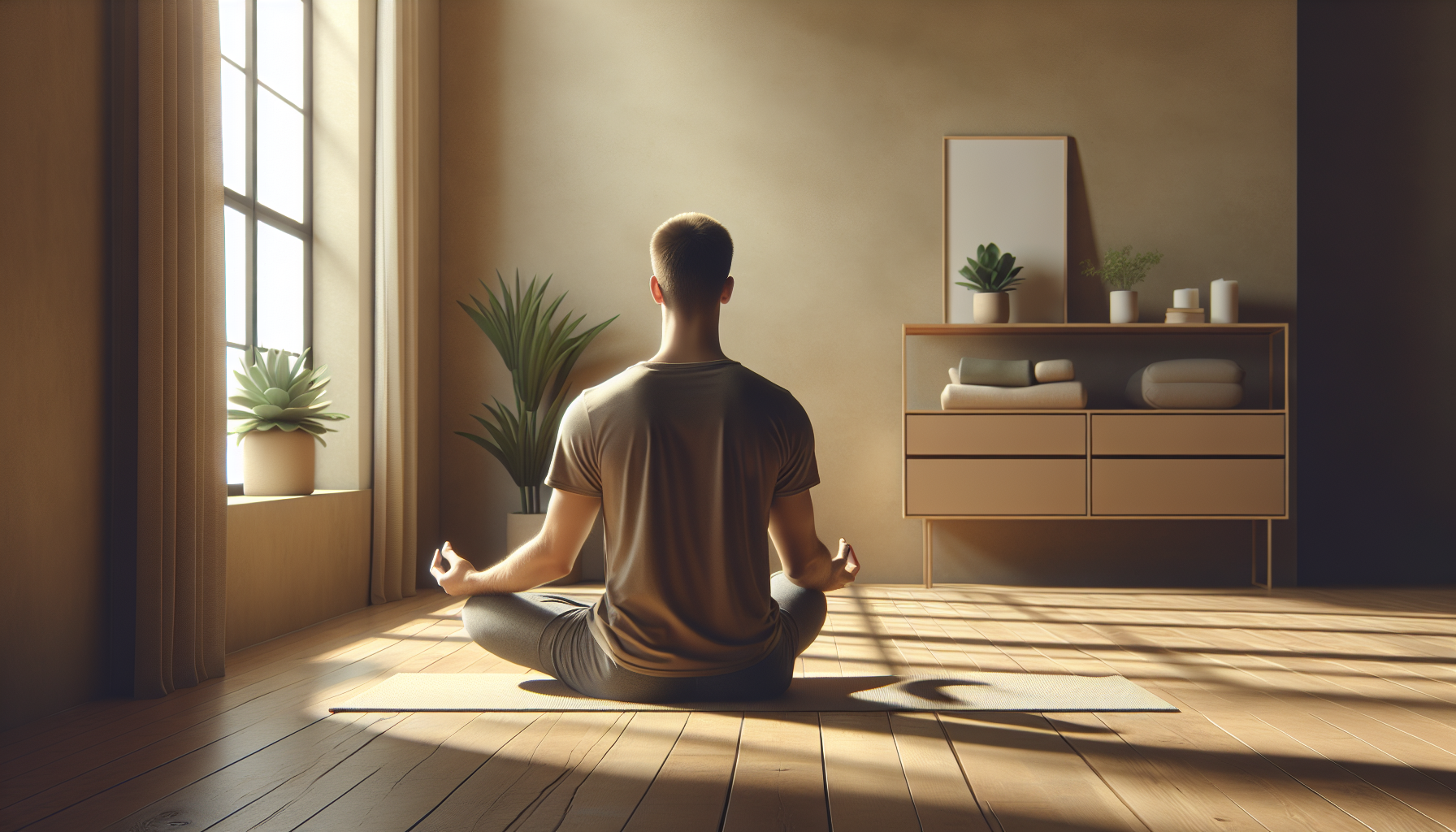
- Create a Quiet Space: Find a quiet, comfortable space where you won't be disturbed.
- Focus on Your Breath: Begin by focusing on your breath, observing the sensation of inhaling and exhaling.
- Start Small: Begin with short sessions and gradually increase the duration as you become more comfortable.
- Stay Consistent: Make meditation a daily habit to experience its full benefits over time.
Remember, meditation is a practice that develops over time. Patience and consistency are key to cultivating a rewarding experience.
Common Myths About Meditation
Meditation is surrounded by myths that can deter beginners. Here are a few common misconceptions:
- Myth: Meditation requires clearing the mind completely.
Fact: Meditation is about observing your thoughts, not eliminating them. - Myth: You need to meditate for hours to see benefits.
Fact: Even short daily sessions can be beneficial. - Myth: Meditation is only for spiritual people.
Fact: Meditation can be practiced by anyone, regardless of spiritual beliefs.
Understanding these myths can help set realistic expectations and encourage a more open approach to meditation.
Who Should Be Careful With Meditation Practices
While meditation is generally safe, some individuals should approach it with caution. Those with certain mental health conditions, such as severe anxiety or depression, may find that meditation intensifies their symptoms. It's important for these individuals to seek professional guidance before starting a meditation practice.
Additionally, individuals with trauma histories might experience distressing memories during meditation. In such cases, working with a qualified therapist can provide support and ensure a safe meditation experience.
Meditation for beginners can be an enriching journey that supports mental clarity and emotional balance. By understanding its benefits and starting with simple practices, you can gradually build a consistent routine that enhances your well-being. Remember, the key to meditation is patience and persistence, allowing you to discover the long-term benefits of this ancient practice.
This article is for informational purposes only and does not constitute medical advice. Individual experiences may vary; consult a qualified professional if you have specific mental health concerns.
Myths vs Facts
Meditation requires you to empty your mind completely.
Meditation involves observing thoughts, not emptying the mind.
Meditation is a spiritual practice.
Meditation can be practiced by anyone, regardless of spiritual beliefs.
You need to meditate for hours to see benefits.
Even short, regular sessions can yield positive effects.
References
- American Psychological Association - The Benefits of Meditation
- National Center for Complementary and Integrative Health - Meditation: In Depth
- Harvard Health Publishing - Mindfulness meditation may ease anxiety, mental stress
Frequently Asked Questions
How long should beginners meditate?
Do I need any special equipment to meditate?
Can meditation help with stress relief?
Is meditation suitable for everyone?
What is the best time of day to meditate?
Disclaimer: The information on this site is for educational and informational purposes only. It is not intended as medical advice. Always consult a qualified healthcare professional before making changes to your diet, exercise, or health routine. Results may vary.
Last updated: March 3, 2026.