Best Anti-Aging Diet: Foods That Reduce Wrinkles and Boost Collagen
Quick Take
- ✓ Certain foods rich in antioxidants and vitamins may support skin health.
- ✓ Collagen production can be boosted by consuming vitamin C-rich foods.
- ✓ Muscle health is crucial for energy and mobility as you age.
Best Anti-Aging Diet: Foods That Reduce Wrinkles and Boost Collagen
In today's world, where maintaining a youthful appearance is often a priority, the connection between aging and nutrition is increasingly discussed. Many are turning to the best anti-aging diet to explore foods that reduce wrinkles and boost collagen. But what exactly can these foods do, and how do they potentially contribute to a more youthful complexion?
Understanding the impact of what we eat on our skin's health is pivotal. The foods we consume may influence our body's ability to produce collagen, a crucial protein for maintaining skin elasticity and firmness. Let's delve into how nutrition can support our skin's vitality as we age.
Why Some Foods Are Linked to Slower Aging
The relationship between diet and aging is complex, but certain foods are believed to play a role in slowing the aging process. These foods are often rich in antioxidants, vitamins, and minerals that combat oxidative stress, a key factor in skin aging.
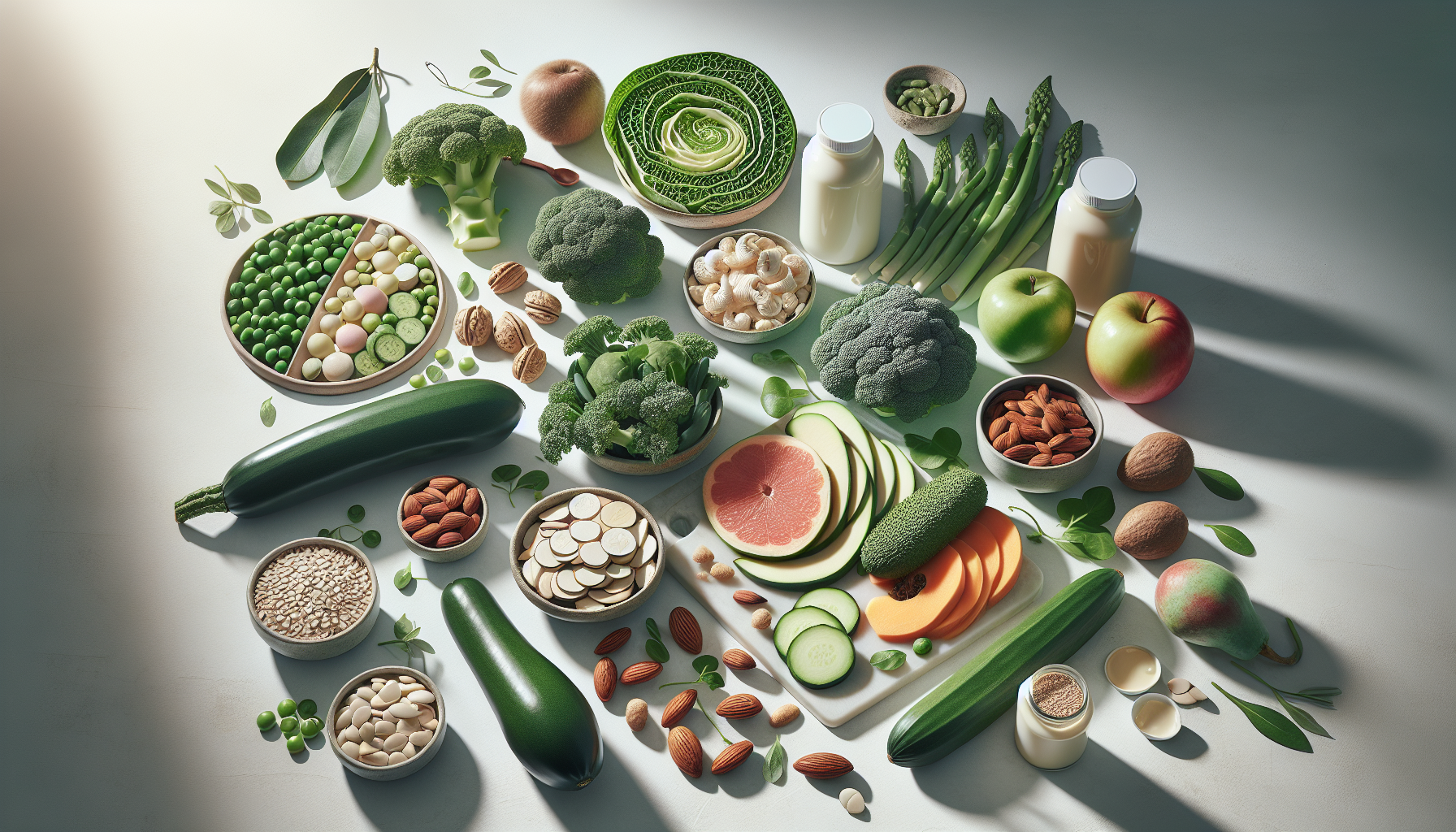
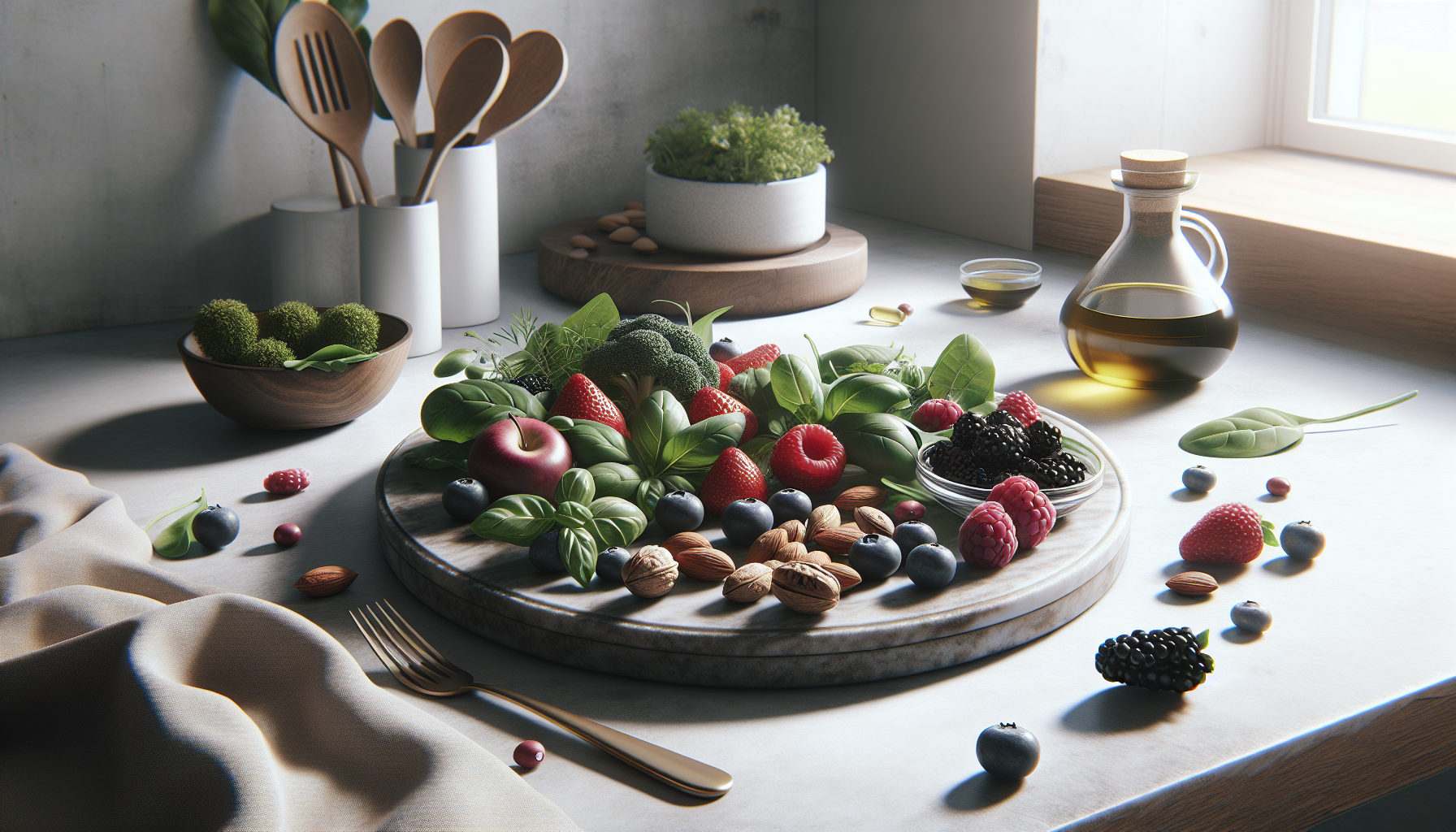
Oxidative stress occurs when free radicals, unstable molecules, damage skin cells. Antioxidant-rich foods, such as berries, nuts, and green leafy vegetables, may help neutralize these free radicals, potentially reducing the appearance of wrinkles.
What Research Suggests About Anti-Aging Foods
Research into anti-aging foods is ongoing, but several studies suggest promising results. Foods high in vitamins C and E, such as citrus fruits and almonds, have been associated with improved skin texture and moisture retention.
Another key nutrient, omega-3 fatty acids, found in fatty fish like salmon, may support skin health by maintaining its lipid barrier and reducing inflammation. These findings highlight the potential role of specific nutrients in promoting a youthful appearance.
Foods Commonly Associated With Youthful, Glowing Skin
Incorporating certain foods into your diet may enhance skin glow and vitality. Avocados, rich in healthy fats and vitamin E, are often linked to skin health. They can be enjoyed in salads, smoothies, or as a spread.
Sweet potatoes, with their high beta-carotene content, may support skin's natural defense against sun damage. Add them roasted or mashed to your meals for a nutrient boost.
Anti-Aging Foods That Support Collagen Naturally
Collagen is essential for maintaining skin's elasticity, and some foods may naturally support its production. Bone broth is renowned for its collagen content and can be sipped as a warm beverage or added to soups.
Citrus fruits, rich in vitamin C, are crucial for collagen synthesis. Incorporate oranges, lemons, and grapefruits into your diet to potentially boost collagen levels.
Why Muscle Health Matters More As You Age
As we age, maintaining muscle health becomes increasingly important, not just for physical strength but also for metabolic health. Protein-rich foods, such as lean meats, legumes, and dairy products, may support muscle maintenance.
Including these protein sources in meals can aid in preserving muscle mass, which is crucial for energy levels and overall mobility as you age.
Foods That Help Support Strength, Energy, and Mobility
To support strength and energy, consider foods like quinoa, rich in complete proteins, and dark leafy greens, which provide essential vitamins and minerals.
Nuts and seeds offer healthy fats and are easy to incorporate as snacks or meal toppings, potentially supporting joint health and mobility.
Daily Eating Habits Often Seen in Healthy Aging
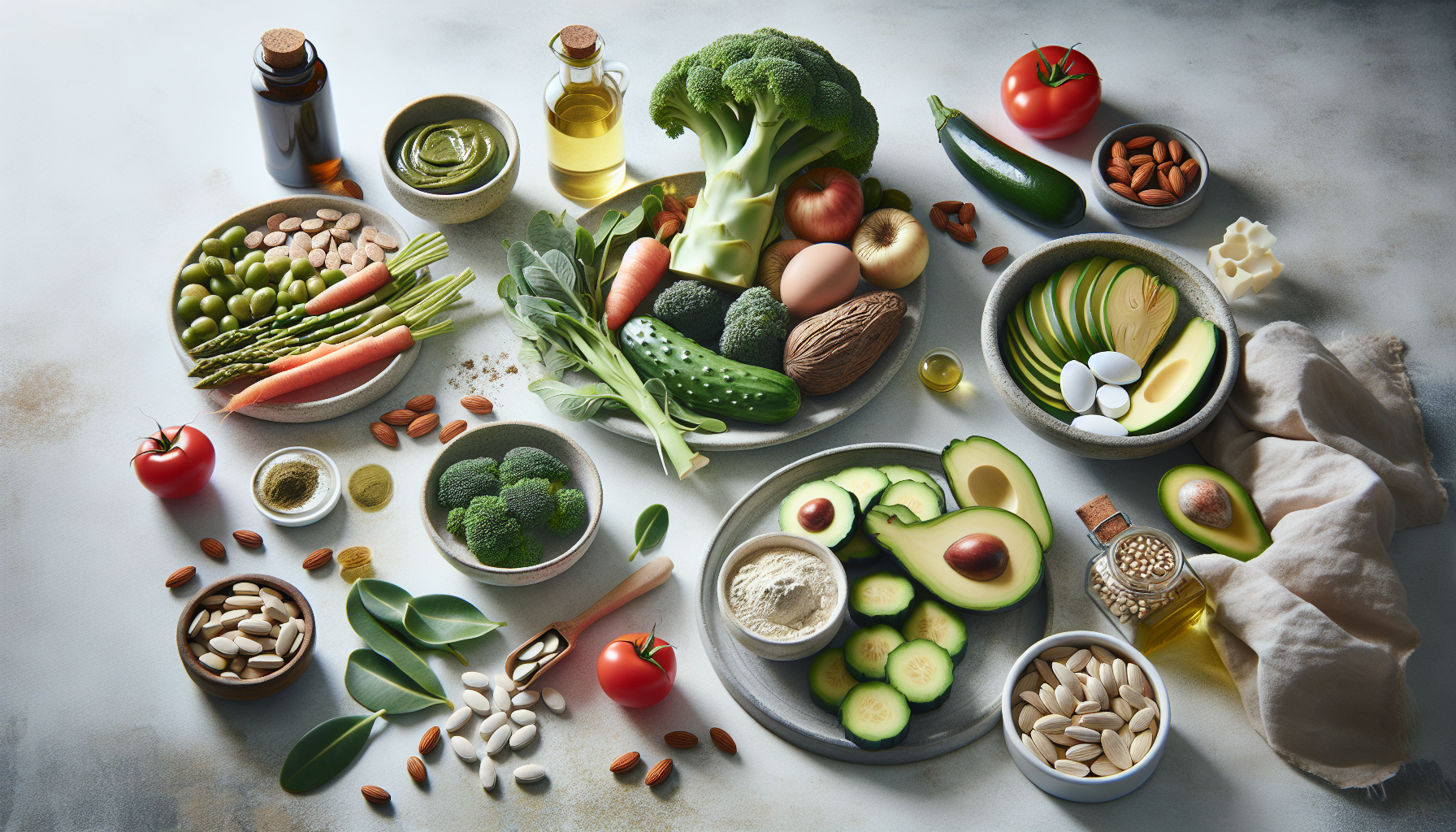
Consistency in healthy eating habits can contribute to graceful aging. Many individuals who age healthily tend to follow balanced diets rich in whole foods, such as fruits, vegetables, whole grains, and lean proteins.
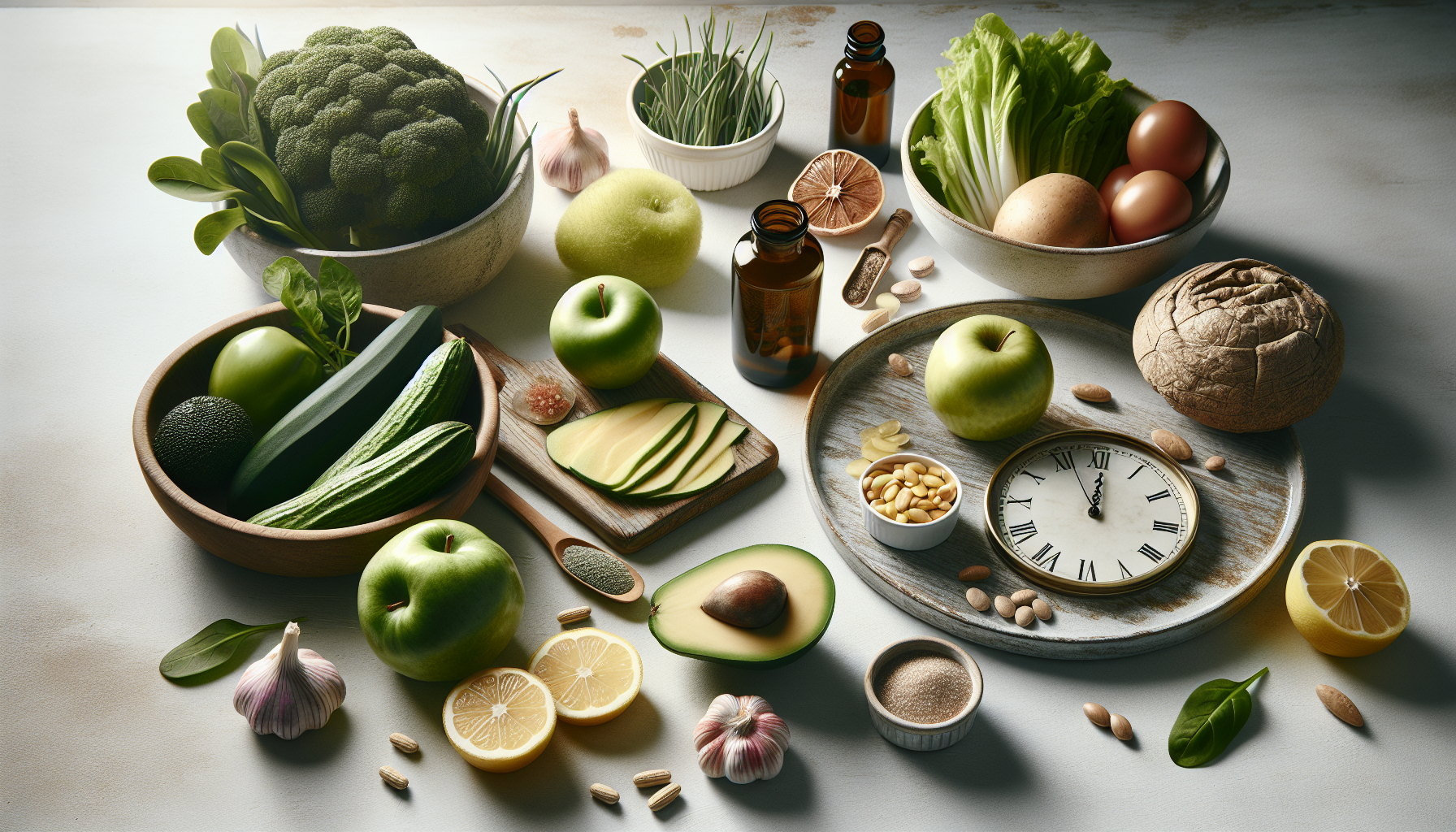
Adopting meal timing and portion control can also play a role in maintaining a healthy weight and reducing age-related metabolic changes.
Common Myths About Anti-Aging Nutrition
There are many myths surrounding anti-aging foods. One common misconception is that only exotic superfoods can contribute to youthful skin. In reality, accessible options like tomatoes and carrots offer similar benefits.
Another myth is that supplements alone can reverse aging signs. While they may complement a diet, whole foods provide a broader spectrum of nutrients essential for skin health.
What Anti-Aging Foods Can — and Cannot — Do
Anti-aging foods can support skin health and overall wellness, but they are not miracle cures. They may contribute to reducing wrinkles and improving skin elasticity when combined with a balanced lifestyle.
It's important to remember that genetics, sun exposure, and other environmental factors also play significant roles in the aging process.
Who Should Be Careful With Anti-Aging Foods
While anti-aging foods are generally beneficial, individuals with food allergies or sensitivities should proceed with caution. For example, those with nut allergies should avoid certain nut-based foods.
Additionally, certain foods may interact with medications. Consulting with a healthcare provider is advisable to ensure dietary choices align with individual health needs.
In conclusion, the best anti-aging diet emphasizes a diverse array of nutrients that may support skin health and vitality. By focusing on whole foods that reduce wrinkles and boost collagen, individuals can potentially enhance their skin's appearance and overall wellness. Remember to combine these dietary practices with other healthy lifestyle choices for optimal results.
This article is for informational purposes only and does not constitute medical advice. Individual responses may vary; consult a qualified professional for personalized guidance.
Myths vs Facts
Only expensive superfoods can delay aging.
Common foods like tomatoes and carrots also offer skin health benefits.
Supplements can replace a healthy diet.
Whole foods provide a broader range of essential nutrients than supplements alone.
Anti-aging diets can eliminate wrinkles.
While they can support skin health, they cannot completely prevent or remove wrinkles.
References
- Harvard Health Publishing - The Truth About Collagen
- National Institutes of Health - Dietary Supplements for Skin Health: A Scientific Perspective
- The American Journal of Clinical Nutrition - Antioxidants and Skin Aging
Frequently Asked Questions
What are some natural sources of collagen?
Can diet alone prevent wrinkles?
Are supplements necessary for anti-aging?
Is it safe to consume anti-aging foods with medications?
How soon can you see results from an anti-aging diet?
Disclaimer: The information on this site is for educational and informational purposes only. It is not intended as medical advice. Always consult a qualified healthcare professional before making changes to your diet, exercise, or health routine. Results may vary.
Last updated: February 28, 2026.