What to Eat for Healthy Aging: Anti-Aging Foods Explained
Quick Take
- ✓ Antioxidant-rich foods may help reduce oxidative stress and slow aging.
- ✓ A balanced diet with whole foods can support skin health and vitality.
- ✓ Muscle health becomes increasingly important with age; protein intake is key.
What to Eat for Healthy Aging: Anti-Aging Foods Explained
In today's fast-paced world, the quest for eternal youth has taken center stage, with many people exploring how nutrition plays a role in the aging process. The term 'anti-aging foods' has become a buzzword, as individuals seek dietary options that may support a healthier, more vibrant life. But what does the science say about these foods, and can they truly make a difference?
Why Some Foods Are Linked to Slower Aging
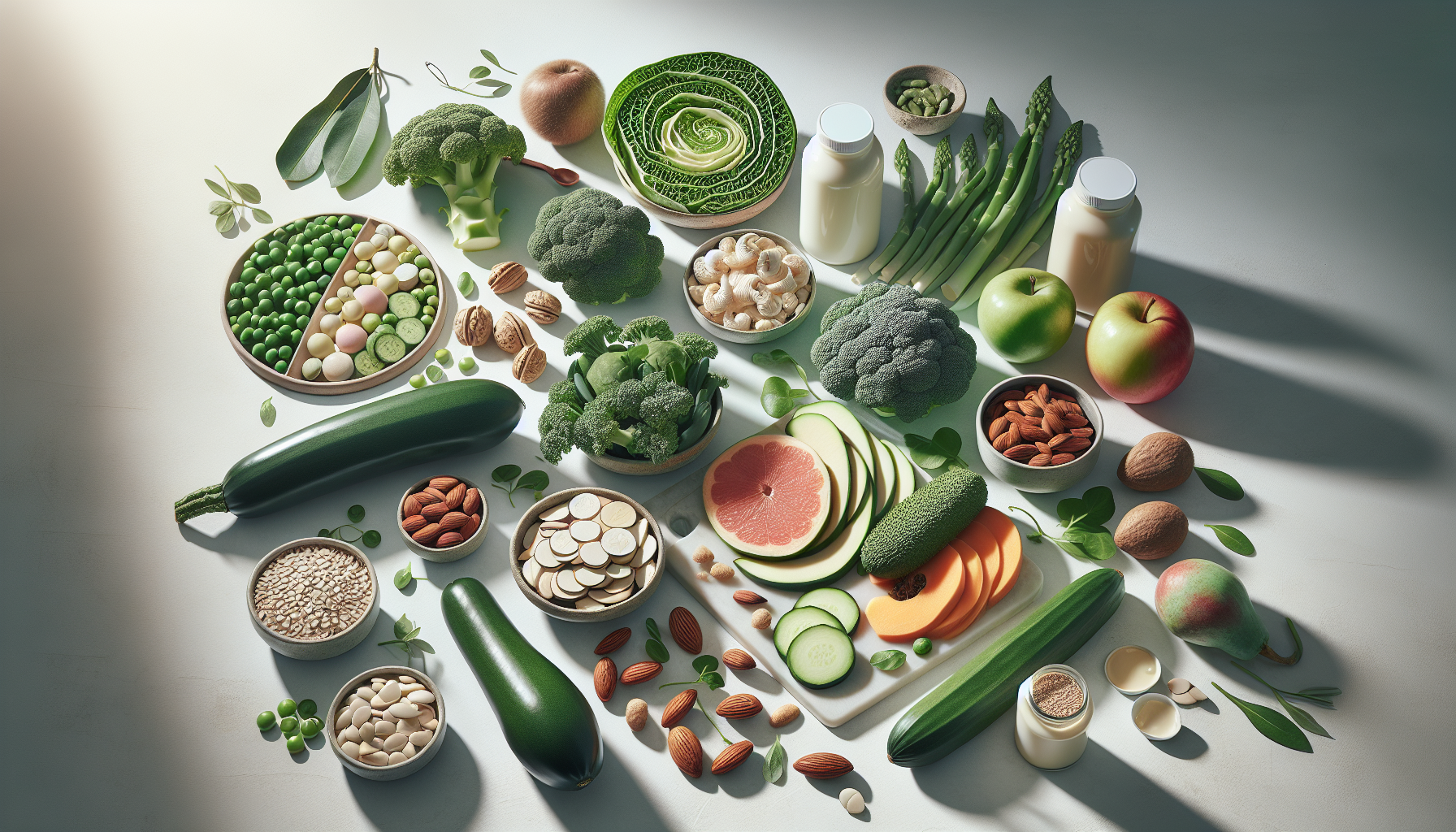
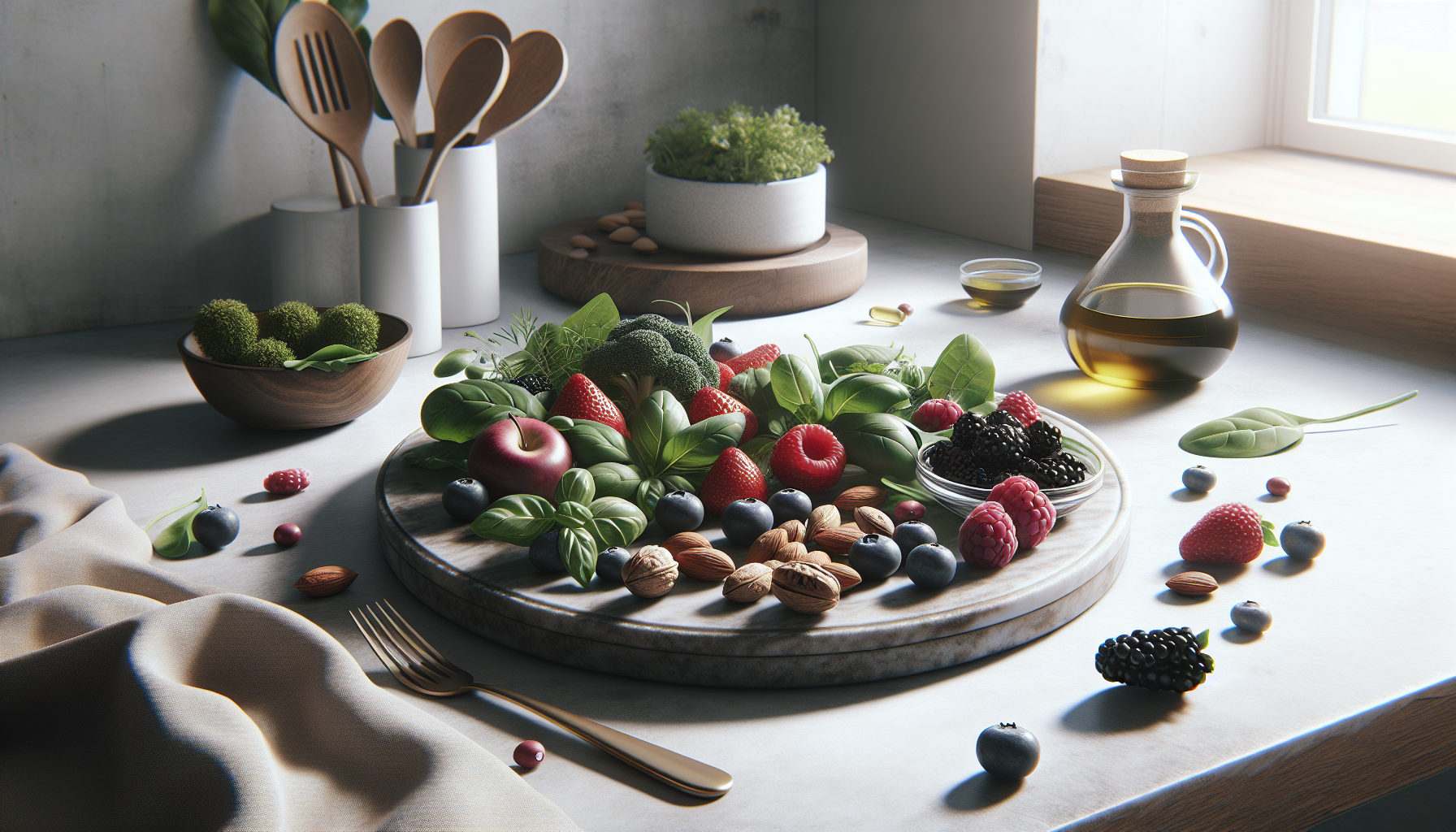
The connection between nutrition and aging is a topic of growing interest. Some foods are believed to be linked to slower aging due to their nutrient-rich profiles, which may help mitigate oxidative stress and inflammation, two factors associated with aging. Antioxidants found in foods like berries, nuts, and green leafy vegetables are thought to combat free radicals, potentially reducing cellular damage.
What Research Suggests About Anti-Aging Foods
Scientific research on anti-aging foods is ongoing, with studies suggesting that certain dietary patterns may be associated with increased longevity and vitality. For instance, the Mediterranean diet, rich in fruits, vegetables, whole grains, and healthy fats, is frequently linked to lower rates of chronic diseases and improved life expectancy.
Foods Commonly Associated With Youthful, Glowing Skin
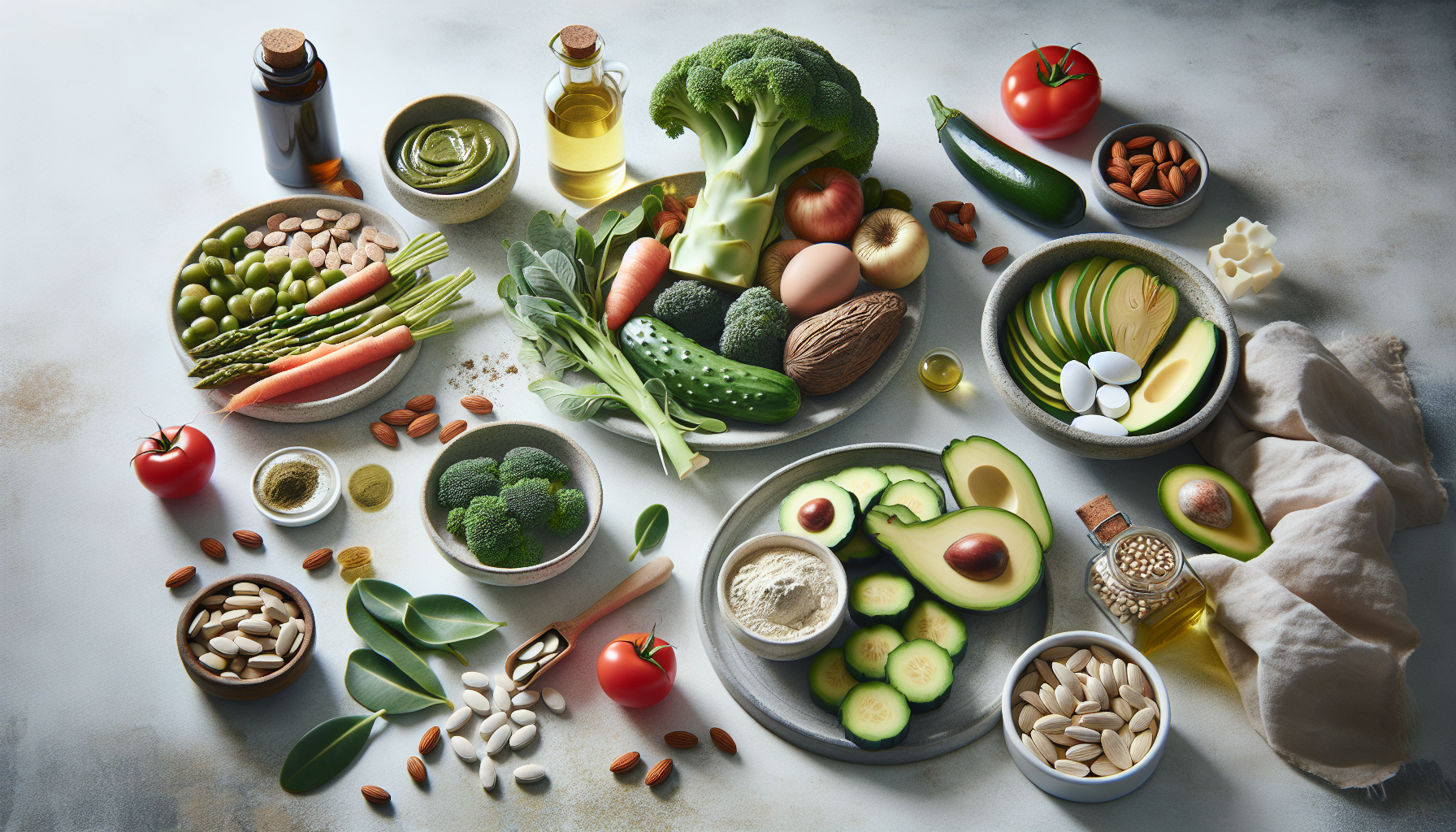
If radiant skin is your goal, consider incorporating foods rich in vitamins A, C, and E, as well as omega-3 fatty acids, into your diet. Foods like avocados, salmon, sweet potatoes, and citrus fruits may support skin health by enhancing hydration and elasticity, potentially contributing to a more youthful appearance.
Anti-Aging Foods That Support Collagen Naturally
Collagen, a protein crucial for skin and joint health, tends to decrease with age. To support collagen production, focus on consuming foods high in vitamin C and amino acids, such as bone broth, citrus fruits, and leafy greens. These nutrients may aid in maintaining skin firmness and reducing the appearance of wrinkles.
Why Muscle Health Matters More As You Age
Maintaining muscle mass is essential for overall health and mobility as you age. Protein-rich foods like lean meats, legumes, and quinoa can help support muscle maintenance and growth. Adequate protein intake, combined with regular physical activity, may enhance muscle health and strength.
Foods That Help Support Strength, Energy, and Mobility
For sustained energy and mobility, incorporate complex carbohydrates and healthy fats into your diet. Whole grains, nuts, and seeds can provide the necessary nutrients for energy production and joint support. These foods may also help maintain a balanced metabolism.
Daily Eating Habits Often Seen in Healthy Aging
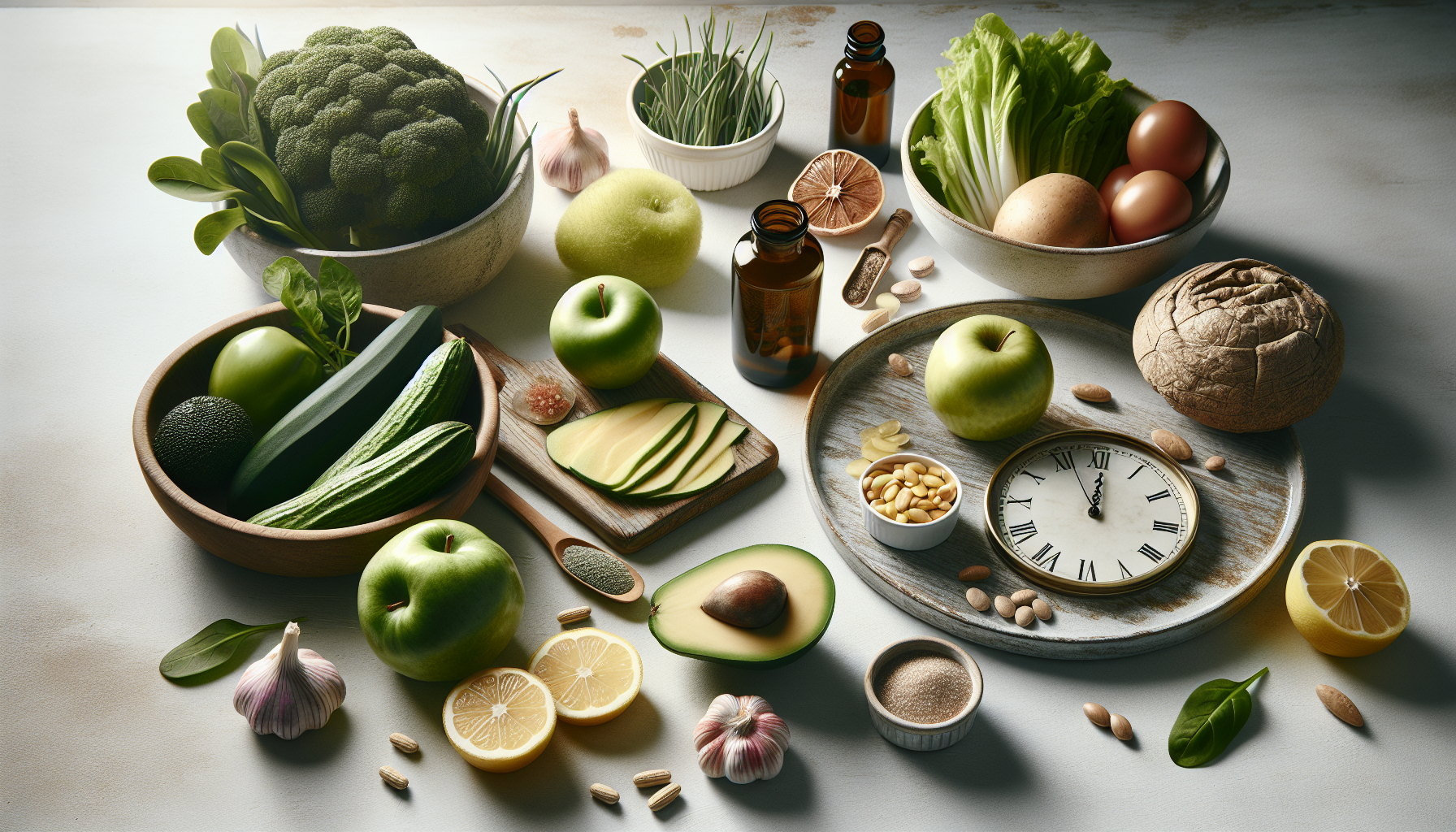
People who age healthily often follow consistent eating patterns that include balanced meals and regular hydration. Prioritizing nutrient-dense foods, avoiding processed options, and maintaining a diverse diet are common habits among individuals who experience healthy aging.
Common Myths About Anti-Aging Nutrition
There are numerous myths surrounding anti-aging nutrition, such as the belief that expensive supplements are necessary for youthful aging. In reality, a well-rounded diet filled with whole foods is often more beneficial than relying on supplements alone.
What Anti-Aging Foods Can — and Cannot — Do
While anti-aging foods can support overall health and may contribute to a more youthful appearance, they are not magic solutions. Diet alone cannot stop aging, but it can play a significant role in enhancing quality of life and reducing age-related risks.
Who Should Be Careful With Anti-Aging Foods
Individuals with allergies, food sensitivities, or certain medical conditions should approach anti-aging foods with caution. It's important to consult with a healthcare professional to tailor dietary choices to individual needs and avoid potential interactions with medications.
In conclusion, while the allure of anti-aging foods is strong, it's vital to approach the topic with a balanced perspective. Focusing on a nutritious diet that includes a variety of whole foods may support healthy aging, but it's essential to remember that these foods are not cure-alls. Always prioritize personalized advice from qualified professionals.
This article is for informational purposes only and does not constitute medical advice. Individual responses may vary; consult a qualified professional for personalized guidance.
Myths vs Facts
All anti-aging foods are expensive and hard to find.
Many anti-aging foods are affordable and widely available, like fruits and vegetables.
You need supplements for anti-aging benefits.
A diet rich in whole foods is often sufficient for most people.
Anti-aging foods can make you look 20 years younger.
While they can support health, they cannot drastically reverse aging effects.
References
- Harvard Health Publishing - The Truth About Antioxidants
- National Institute on Aging - Diet and Exercise: Choices Today for a Healthier Tomorrow
- Mayo Clinic - Mediterranean Diet: A Heart-Healthy Eating Plan
Frequently Asked Questions
What are anti-aging foods?
Can diet really affect the aging process?
Are supplements necessary for anti-aging?
How do antioxidants help with aging?
Is the Mediterranean diet good for aging?
Disclaimer: The information on this site is for educational and informational purposes only. It is not intended as medical advice. Always consult a qualified healthcare professional before making changes to your diet, exercise, or health routine. Results may vary.
Last updated: March 2, 2026.