Herbal & Natural Remedies: What Nature Has Long Offered
Quick Take
- ✓ Herbal remedies connect traditional wisdom with modern wellness.
- ✓ Common herbs include chamomile, peppermint, and turmeric.
- ✓ Mindful integration of herbal remedies can support holistic health.
Herbal & Natural Remedies: What Nature Has Long Offered
Herbal and natural remedies have been cherished across cultures for centuries, deeply ingrained in traditional practices. These natural solutions continue to captivate modern wellness enthusiasts seeking balance and connection with nature. With the growing interest in holistic health, understanding the role of these remedies is more relevant than ever.
The allure of herbal remedies lies in their roots—both literal and figurative. From soothing teas to aromatic infusions, they offer a connection to the earth and a bridge to ancient traditions. As we explore their historical significance, we also uncover how they remain woven into the fabric of contemporary wellness strategies.
Why Herbal and Natural Remedies Are Still Used Today
Herbal and natural remedies are a testament to nature's potential in supporting well-being. They offer a sense of empowerment, allowing individuals to explore self-care options that feel aligned with their personal health philosophies. By tapping into the wisdom of generations past, these remedies provide a holistic approach to wellness that speaks to the mind, body, and spirit.
How Traditional Herbal Remedies Are Explained in Modern Wellness
Modern wellness embraces traditional herbal remedies by examining their potential benefits through the lens of contemporary science. Researchers investigate how compounds in herbs interact with the body, aiming to substantiate claims that have been passed down through generations. This scientific curiosity often complements traditional knowledge, offering a fuller picture of how these remedies can be integrated into daily life.
Common Herbs and Natural Ingredients Used Traditionally
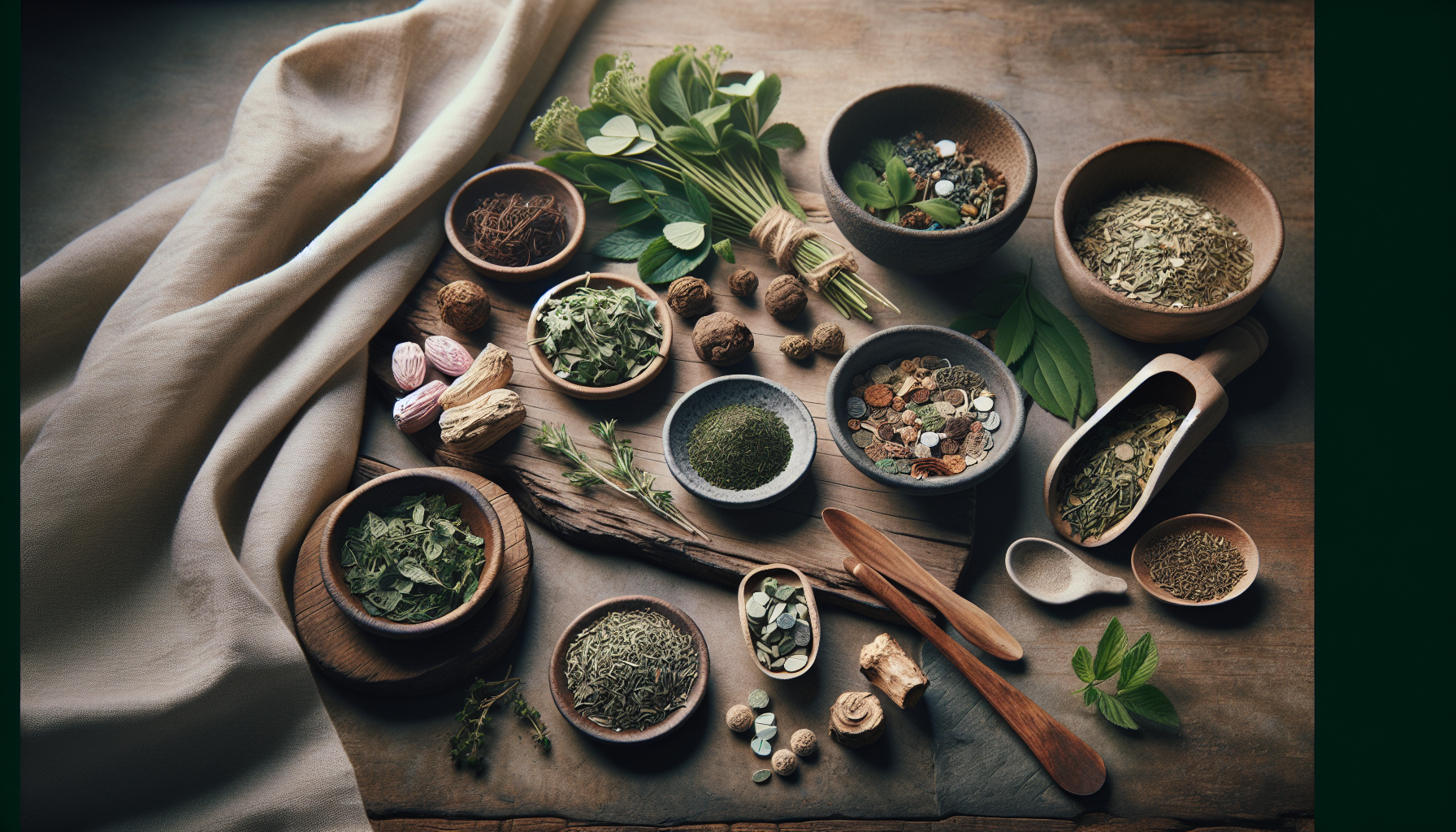
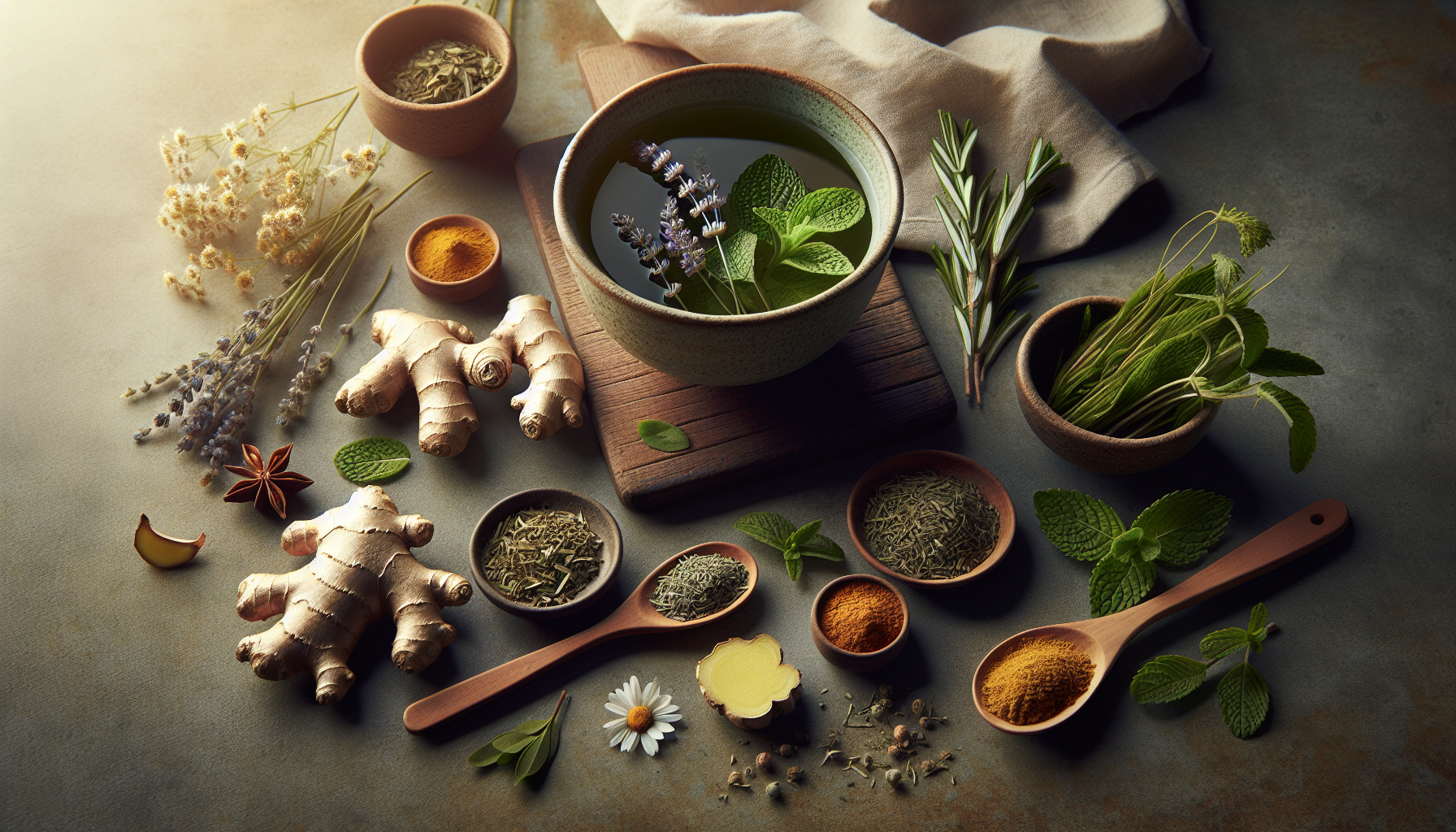
Many herbs have a storied past and are cherished for their versatile uses. Chamomile, known for its calming properties, has been used in teas and topical applications. Peppermint is celebrated for its refreshing aroma and potential digestive support. Meanwhile, turmeric's vibrant hue and antioxidant properties have made it a staple in both culinary and wellness contexts.
Herbal & Natural Remedies for Daily Balance
Incorporating herbal remedies into daily routines can be a gentle way to foster balance and support overall wellness. Herbal teas, for instance, can be a comforting ritual, while essential oils may offer aromatic support for relaxation and focus. By integrating these natural elements, individuals might find a harmonious rhythm that complements their lifestyle.
How Herbs Are Traditionally Used for Calm and Comfort
Many herbs have long been associated with promoting calm and comfort. Lavender, with its soothing scent, is often used in aromatherapy to encourage relaxation. Valerian root is traditionally valued for its calming effects, particularly in supporting restful sleep. These practices, steeped in tradition, continue to offer solace in modern times.
Natural Remedies and Their Role in Everyday Wellness
Natural remedies hold a cherished place in everyday wellness routines. They provide an accessible means of nurturing the body and mind, often through simple applications like teas, tinctures, and topical preparations. This approach to health encourages mindfulness and a deeper connection to the natural world, enriching the wellness journey.
Daily Habits That Complement Herbal Remedies
Incorporating herbal remedies into a lifestyle is most effective when paired with mindful daily habits. Regular exercise, a balanced diet, and adequate hydration can enhance the benefits of herbal solutions. Together, these practices create a foundation for holistic well-being that respects both modern and traditional insights.
Common Myths About Herbal and Natural Remedies
Despite their popularity, herbal and natural remedies are often surrounded by myths. One common misconception is that natural always means safe. While generally gentle, herbs can interact with medications or cause allergic reactions. Understanding and respecting these nuances is crucial for informed usage.
Who Should Be Careful With Herbal Remedies
While herbal remedies are accessible to many, certain individuals should exercise caution. Those with allergies, pregnant or nursing women, and individuals on medications should consult healthcare professionals before using herbal products. This ensures that the journey into herbal wellness is both safe and beneficial.
In sum, herbal and natural remedies offer a bridge between the wisdom of the past and the practices of the present. By exploring these natural gifts with mindfulness and respect, we can integrate them into our wellness journeys, enhancing our connection with nature and our personal health stories. This article is for informational purposes only and does not constitute medical advice. Individual responses may vary; consult a qualified professional for personalized guidance.
Myths vs Facts
Herbal remedies have no side effects.
While often safe, herbal remedies can have side effects or interactions, especially with medications.
All natural remedies are effective for everyone.
Effectiveness can vary based on individual health profiles and conditions.
Herbs are a substitute for medical treatment.
Herbal remedies can complement but should not replace conventional medical treatments.
References
- National Center for Complementary and Integrative Health - Herbs at a Glance
- World Health Organization - Traditional Medicine Strategy
- Journal of Herbal Medicine - Herbal Medicine: Biomolecular and Clinical Aspects
Frequently Asked Questions
What are some common herbal remedies used today?
How are herbal remedies integrated into modern wellness practices?
Are herbal remedies safe for everyone?
What are the benefits of using herbal remedies?
What are some misconceptions about herbal remedies?
Disclaimer: The information on this site is for educational and informational purposes only. It is not intended as medical advice. Always consult a qualified healthcare professional before making changes to your diet, exercise, or health routine. Results may vary.
Last updated: March 3, 2026.