Natural Remedies People Use for Daily Wellness
Quick Take
- ✓ Natural remedies have been used across cultures for centuries to support wellness.
- ✓ Herbs can offer balance and relaxation as part of a holistic lifestyle.
- ✓ Consult with a healthcare provider to safely incorporate natural remedies.
Discover the Timeless Appeal of Natural Remedies for Daily Wellness
Natural remedies have been an integral part of human culture, cherished for their potential to support overall well-being. Throughout history, herbs and natural ingredients have been used to promote balance, relaxation, and vitality. Today, this traditional wisdom continues to capture the interest of many, reflecting a renewed appreciation for nature's offerings.
The use of herbal and natural remedies for daily wellness is not just a relic of the past. These practices are woven into the fabric of many cultures, offering a gentle approach to maintaining health. From herbal teas to aromatic infusions, these natural solutions provide a comforting ritual for those seeking to enhance their everyday lives.
Why Herbal and Natural Remedies Are Still Used Today
Herbal and natural remedies have stood the test of time, finding a place in both traditional and modern wellness practices. Their continued popularity can be attributed to a growing desire for holistic health approaches. Many individuals are drawn to the idea of using natural ingredients to support the body's natural processes.
Additionally, the increasing availability of information about herbs and their potential benefits has sparked curiosity. As people become more informed, they seek out these remedies to complement their wellness routines. This cultural shift towards natural health solutions reflects a broader movement towards sustainable and mindful living.
How Traditional Herbal Remedies Are Explained in Modern Wellness
In modern wellness, traditional herbal remedies are often framed within the context of holistic health. This perspective emphasizes the interconnectedness of mind, body, and spirit. By focusing on balance and harmony, these remedies are thought to support overall well-being.
Scientific research has begun to explore the potential effects of various herbs, providing insight into their traditional uses. While more studies are needed, initial findings suggest that certain herbs may support areas such as digestion, relaxation, and immune function. This blending of traditional knowledge with scientific inquiry offers a nuanced understanding of how these remedies may fit into contemporary wellness practices.
Common Herbs and Natural Ingredients Used Traditionally
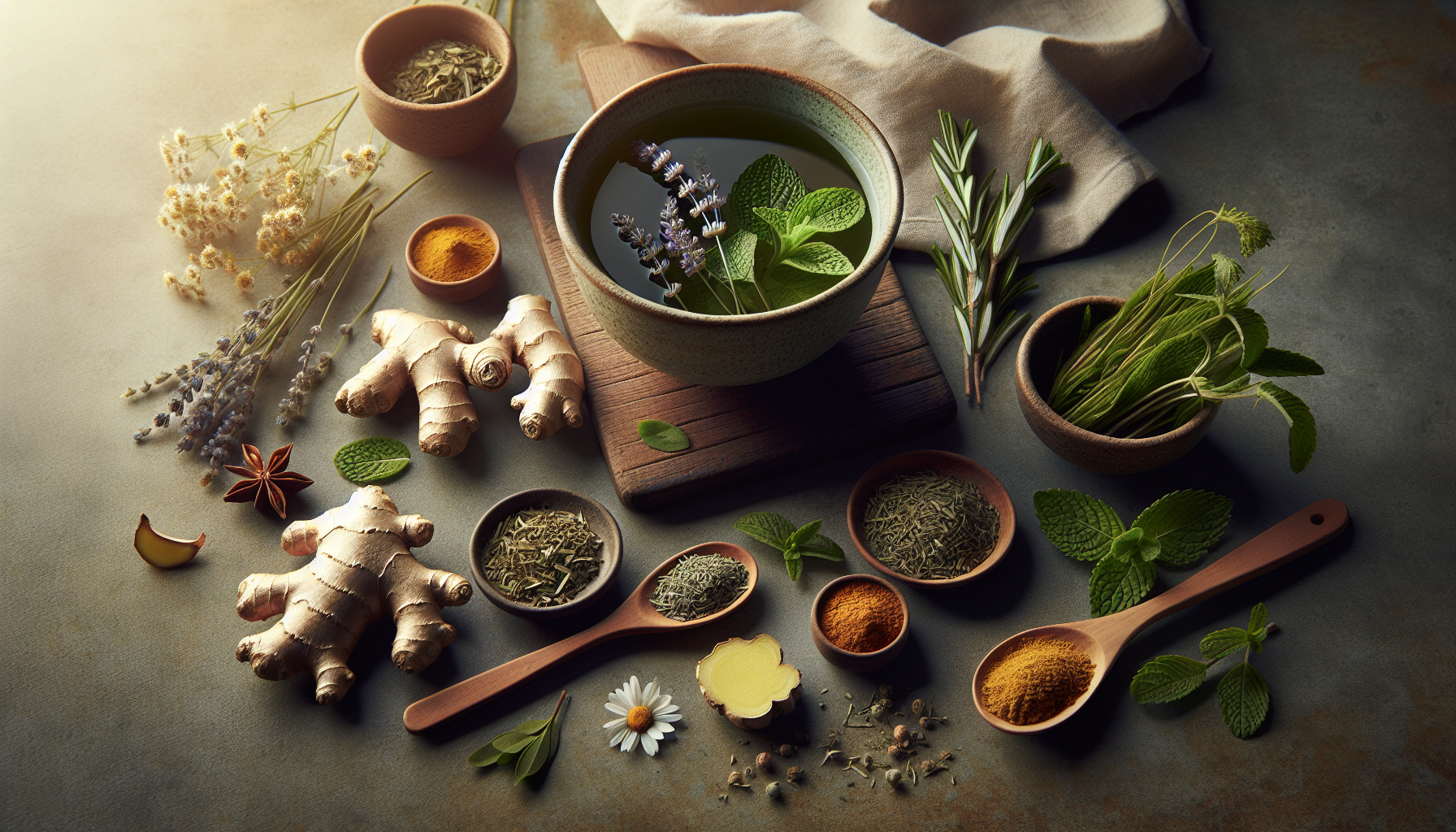
A wide range of herbs and natural ingredients have been treasured for their potential benefits. Chamomile, for instance, is commonly used in teas for its soothing properties. Lavender, known for its calming aroma, is often employed in aromatherapy.
Ginger has been traditionally used to support digestion, while peppermint is valued for its refreshing qualities. Turmeric, with its vibrant color, is associated with supporting joint health and overall vitality. These examples highlight the diversity of natural ingredients that have been embraced across different cultures.
Herbal & Natural Remedies for Daily Balance
Many individuals incorporate herbal and natural remedies into their daily routines to promote balance and well-being. Herbal teas, for example, offer a simple and enjoyable way to integrate these remedies into everyday life. Whether enjoyed in the morning or as an evening ritual, these teas provide a moment of calm and reflection.
Infusions and essential oils are also popular choices, used to create a serene environment or to invigorate the senses. These practices serve as a reminder of the importance of self-care and the role that natural remedies can play in daily wellness.
How Herbs Are Traditionally Used for Calm and Comfort
Herbs have long been associated with promoting calm and comfort. Valerian root, for example, is traditionally used to support relaxation. Similarly, passionflower is often utilized for its gentle calming effects.
Herbal baths and poultices are other traditional methods used to provide comfort. These practices not only engage the senses but also offer a tactile connection to nature's soothing properties. In a world that often feels fast-paced, these natural remedies provide a moment to pause and unwind.
Natural Remedies and Their Role in Everyday Wellness
Natural remedies can play a significant role in supporting everyday wellness. By offering a holistic approach, these remedies encourage individuals to consider their overall lifestyle and well-being. This perspective aligns with the growing interest in preventive health measures.
Herbs and natural ingredients can be integrated into daily routines in various forms, from culinary uses to topical applications. This versatility makes them accessible to a wide audience, allowing individuals to tailor their approach to suit their unique needs and preferences.
Daily Habits That Complement Herbal Remedies
Incorporating daily habits that complement herbal remedies can enhance their potential benefits. Practices such as mindfulness, regular exercise, and a balanced diet contribute to overall well-being and can work synergistically with natural remedies.
Staying hydrated, prioritizing sleep, and managing stress are also important components of a holistic wellness routine. By integrating these habits, individuals can create a supportive environment that encourages balance and vitality.
Common Myths About Herbal and Natural Remedies
Despite their popularity, several myths surround herbal and natural remedies. One common misconception is that natural always means safe. It's important to recognize that herbs can interact with medications and may not be suitable for everyone.
Another myth is that these remedies provide instant results. In reality, natural remedies often require consistent use over time to be effective. Understanding these nuances helps individuals make informed choices about their wellness practices.
Who Should Be Careful With Herbal Remedies
While many people can benefit from herbal remedies, certain individuals should exercise caution. Those with allergies or sensitivities to specific herbs should approach with care. Pregnant or breastfeeding individuals are also advised to consult a healthcare professional before using herbal products.
Additionally, individuals taking prescription medications should be aware of potential interactions. Consulting with a qualified professional can provide guidance on safely incorporating natural remedies into a wellness routine.
Natural remedies offer a gentle and holistic approach to daily wellness, drawing from centuries of traditional use. By understanding their role and practicing mindfulness, individuals can enjoy the potential benefits these remedies provide in a balanced and informed manner.
This article is for informational purposes only and does not constitute medical advice. Individual responses may vary; consult a qualified professional for personalized guidance.
Myths vs Facts
Natural remedies work instantly.
Natural remedies often require consistent use over time for potential benefits.
All natural remedies are safe for everyone.
Some individuals may experience adverse reactions or interactions with medications.
Natural means better than synthetic.
Effectiveness depends on the individual and context; both natural and synthetic remedies have their place.
References
- National Center for Complementary and Integrative Health - Herbs at a Glance
- World Health Organization - Traditional, Complementary and Integrative Medicine
- Harvard Health Publishing - Herbal Supplements: What to Know Before You Buy
Frequently Asked Questions
What are natural remedies?
Can natural remedies replace conventional medicine?
Are natural remedies safe for everyone?
How do I incorporate natural remedies into my daily routine?
What are the benefits of using natural remedies?
Disclaimer: The information on this site is for educational and informational purposes only. It is not intended as medical advice. Always consult a qualified healthcare professional before making changes to your diet, exercise, or health routine. Results may vary.
Last updated: March 3, 2026.