What Are Superfoods? Benefits, Nutrients, and Daily Uses Explained
Quick Take
- ✓ Superfoods are known for their high nutritional density and health benefits.
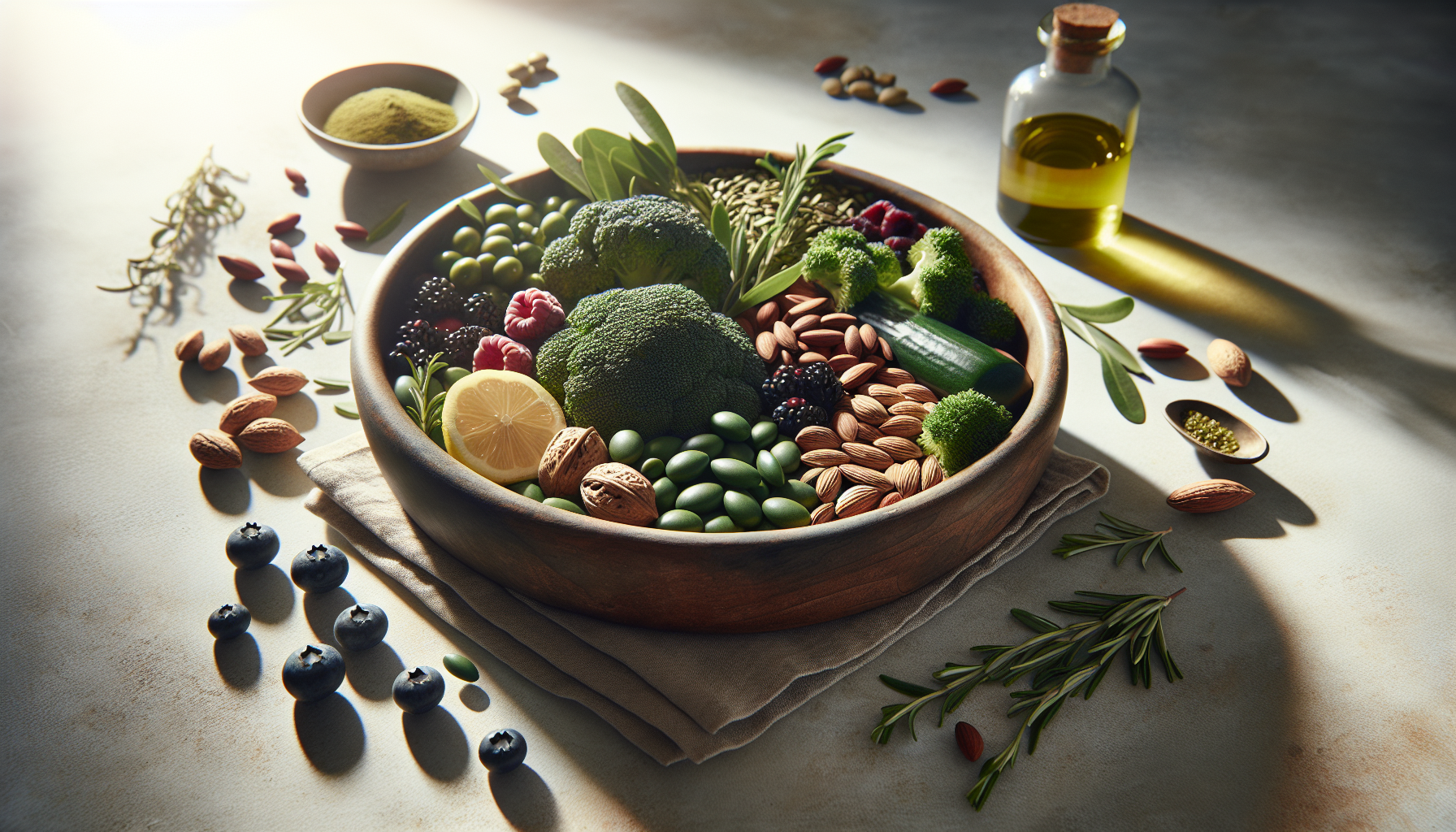
- ✓ Including a variety of superfoods in your diet can support skin health, energy levels, and overall wellness.
- ✓ Common superfoods like blueberries, avocados, and chia seeds are accessible and versatile.
What Are Superfoods? Benefits, Nutrients, and Daily Uses Explained
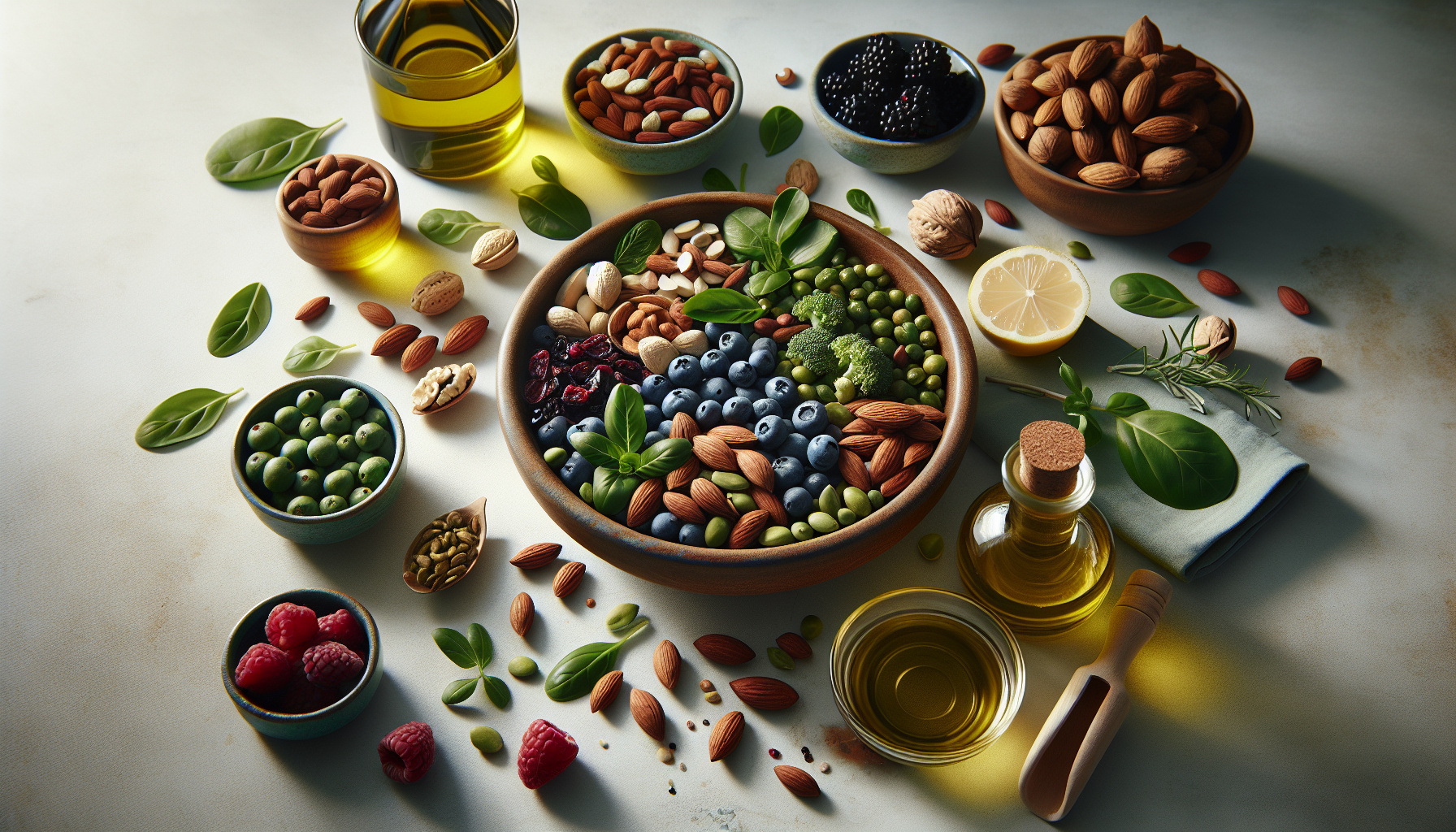
In recent years, the term ‘superfood’ has become a buzzword in the health and wellness community. But what exactly are superfoods, and why are they gaining so much attention? Superfoods are nutrient-rich foods considered to be especially beneficial for health and well-being. Packed with vitamins, minerals, and antioxidants, these foods may help support the body in various ways, from boosting energy to enhancing skin health.
Today, more than ever, people are looking for natural ways to enhance their health, making superfoods a popular choice. By understanding the unique benefits and nutrients of superfoods, you can make informed decisions about incorporating them into your diet.
What Makes Superfoods a Superfood
Superfoods are not defined by a scientific classification; rather, they are identified by their high nutritional density. This means they offer a significant amount of nutrients and few calories. Foods such as blueberries, avocados, and chia seeds are commonly recognized as superfoods due to their potent concentrations of vitamins, minerals, and antioxidants.
These foods are often associated with benefits such as improved heart health, better digestion, and reduced inflammation, making them a valuable addition to any diet. The unique compounds found in superfoods may also aid in protecting the body against chronic diseases and enhancing overall wellness.
Nutritional Profile and Key Compounds
The nutritional profile of superfoods is what sets them apart. For instance, blueberries are rich in antioxidants, particularly anthocyanins, which are linked to numerous health benefits. Avocados are packed with healthy fats, primarily monounsaturated fats, which can support heart health. Chia seeds, on the other hand, are an excellent source of omega-3 fatty acids, fiber, and protein.
These key nutrients and compounds make superfoods a powerful ally in maintaining health. Consuming a variety of superfoods ensures a wide range of nutrients, supporting different bodily functions and promoting overall vitality.
Health Benefits of Superfoods for the Body
Including superfoods in your diet may offer numerous health benefits. The antioxidants found in many superfoods can help combat oxidative stress, potentially reducing the risk of chronic diseases such as heart disease and cancer. Additionally, the high fiber content in foods like chia seeds can aid in digestion and promote a healthy gut microbiome.
The healthy fats in avocados can support brain health, while the vitamins and minerals in superfoods contribute to better immune function. By incorporating these nutrient-rich foods into your diet, you may enhance your overall health and well-being.
How Superfoods Support Skin and Anti-Aging
Superfoods are often praised for their potential skin and anti-aging benefits. The antioxidants in berries, such as blueberries, can help protect the skin from damage caused by free radicals, which are linked to aging and skin deterioration. Similarly, the healthy fats and vitamin E in avocados can nourish the skin, promoting elasticity and hydration.
Incorporating superfoods into your diet may support skin health and help maintain a youthful appearance. While they are not a miracle cure, their nutrient-rich profiles can play a role in a healthy skin care regimen.
Benefits of Superfoods for Muscle and Energy
Superfoods can also be beneficial for muscle health and energy levels. The proteins and amino acids in chia seeds aid in muscle repair and growth, making them a great addition to post-workout meals. Furthermore, the complex carbohydrates in some superfoods provide sustained energy, ideal for active individuals.
By incorporating superfoods into your daily routine, you may experience improved energy levels and support for muscle maintenance and development.
How to Use Superfoods in Everyday Meals
Integrating superfoods into your diet can be both simple and delicious. Add blueberries to your morning smoothie or yogurt for a burst of antioxidants. Avocados can be mashed into toast or added to salads for a creamy texture and healthy fats. Sprinkle chia seeds over oatmeal or blend them into drinks for an added nutritional boost.
Experiment with different superfoods to find combinations that suit your taste and lifestyle. Incorporating these nutrient-dense foods into meals can add flavor and health benefits to your daily diet.
Common Myths About Superfoods
Despite their popularity, there are several myths surrounding superfoods. Some believe that superfoods can cure diseases. While they are nutrient-rich, they are not a substitute for medical treatment. Others may think that superfoods are exotic and expensive, but many common foods like spinach and nuts also qualify as superfoods.
Understanding these misconceptions helps in appreciating the true benefits of superfoods without unrealistic expectations.
Who Should Be Cautious When Consuming Superfoods
While superfoods are beneficial, it is important to approach them with caution if you have allergies or food sensitivities. For example, individuals with a latex allergy may react to avocados. Additionally, some superfoods can interact with medications, so it is advisable to consult a healthcare professional if you have any concerns.
Overall, superfoods can be a valuable part of a balanced diet when consumed mindfully.
Superfoods offer a wealth of nutrients that can support various aspects of health, from skin vitality to energy levels. By incorporating a variety of these foods into your diet, you may enhance your overall wellness and enjoy the diverse benefits they bring.
This article is for informational purposes only and does not constitute medical advice. Individual needs may vary; consult a qualified professional if you have specific health concerns.
Myths vs Facts
Superfoods can cure diseases.
While superfoods are nutritious, they cannot replace medical treatment.
Superfoods are always exotic and expensive.
Many everyday foods like nuts and spinach are affordable superfoods.
You need to eat a lot of superfoods to benefit.
Incorporating a moderate amount of a variety of superfoods is beneficial.
References
- Harvard T.H. Chan School of Public Health - The Nutrition Source: Superfoods
- Mayo Clinic - Superfoods: Are There Health Benefits?
- National Center for Biotechnology Information - Antioxidants in Skin Health
Frequently Asked Questions
What defines a superfood?
Can superfoods help with weight loss?
Are superfoods expensive?
How can I incorporate superfoods into my diet?
Are superfoods safe for everyone?
Disclaimer: The information on this site is for educational and informational purposes only. It is not intended as medical advice. Always consult a qualified healthcare professional before making changes to your diet, exercise, or health routine. Results may vary.
Last updated: February 27, 2026.