What Are Superfoods? Benefits, Science, and How to Use Them Daily
Quick Take
- ✓ Superfoods are nutrient-dense and support overall health.
- ✓ They are rich in antioxidants, omega-3s, and healthy fats.
- ✓ Incorporating superfoods into meals can enhance diet quality.
What Are Superfoods? Benefits, Science, and How to Use Them Daily
In the modern quest for optimal health, superfoods have emerged as nutritional powerhouses that promise a range of health benefits. But what exactly qualifies as a superfood, and why should you consider incorporating them into your daily diet? Understanding the science and benefits behind these foods can guide you toward more informed dietary choices.
Superfoods are nutrient-rich foods considered to be especially beneficial for health and well-being. Packed with vitamins, minerals, antioxidants, and fiber, they are believed to support various bodily functions and may help in reducing the risk of chronic diseases. As more people seek natural ways to boost their health, superfoods continue to gain popularity.
What Makes Superfoods a Superfood
The term "superfood" is not scientifically defined but is widely used to describe foods with a high density of nutrients. What sets superfoods apart is their concentration of essential nutrients that can support health more effectively than other foods. While no single food can meet all your nutritional needs, superfoods are a great addition to a balanced diet.
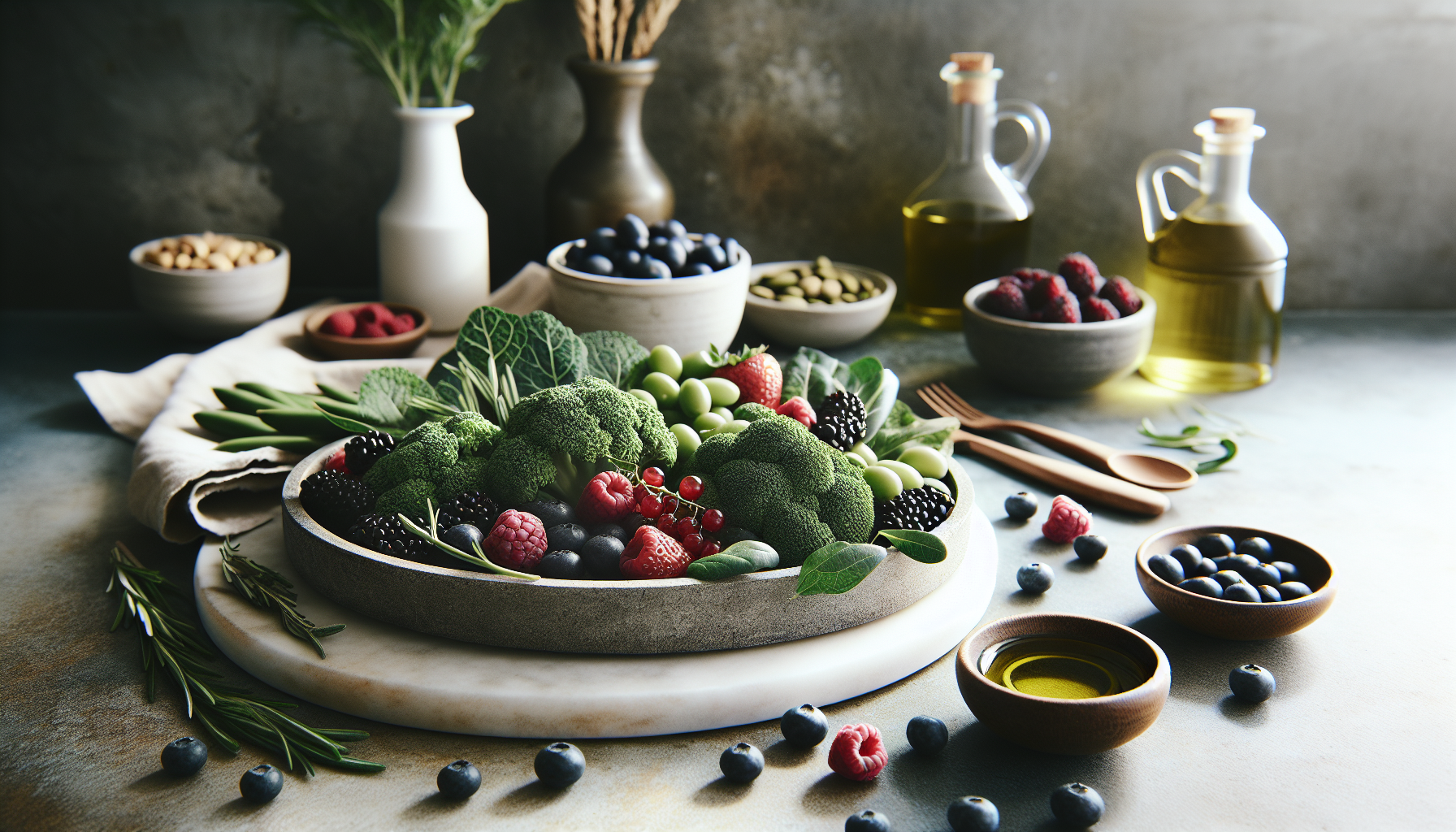
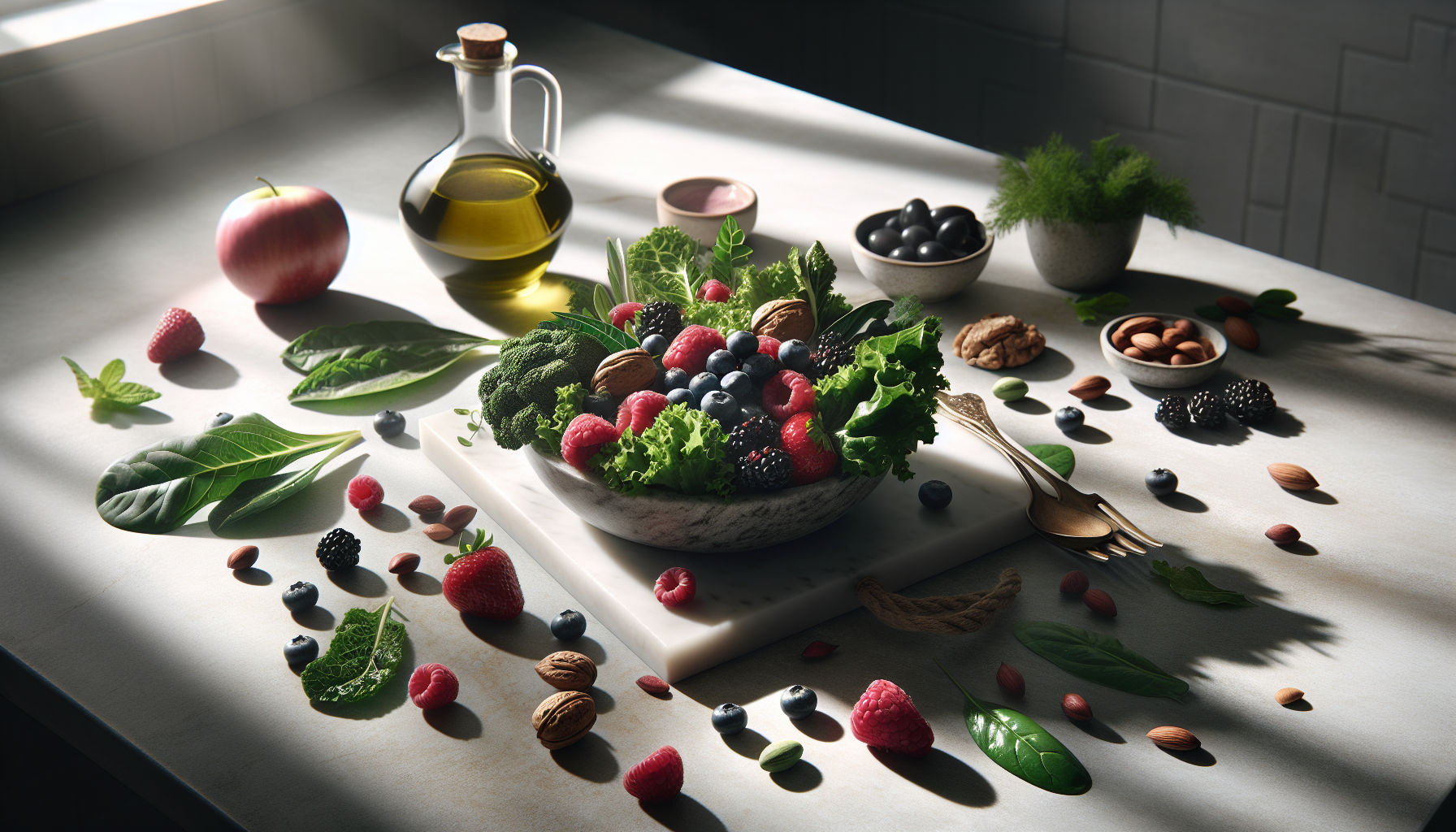
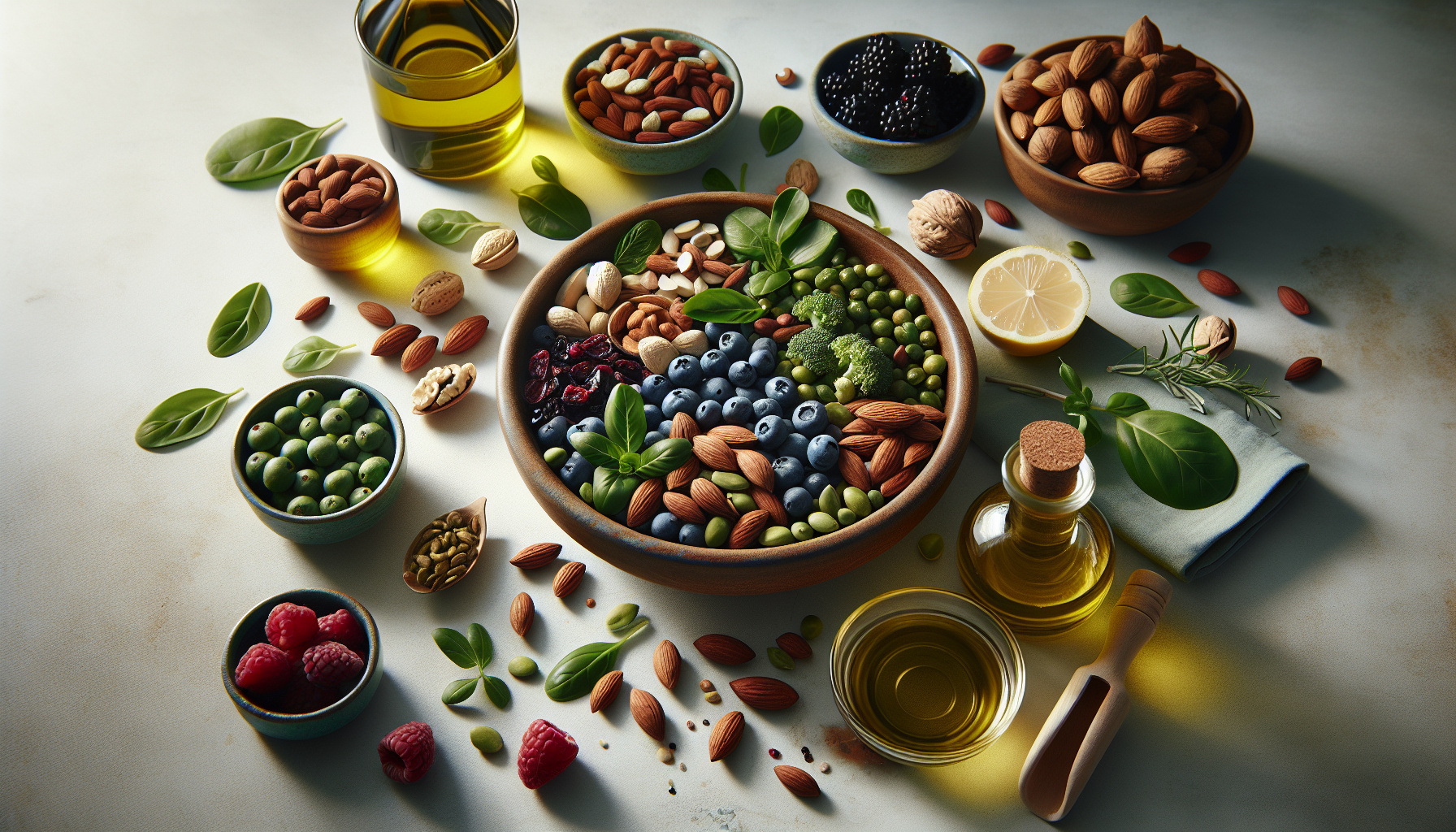
Examples include blueberries, known for their antioxidant properties, and chia seeds, which are rich in omega-3 fatty acids and fiber. These foods are often associated with specific health benefits, such as improved heart health, better digestion, and enhanced brain function.
Nutritional Profile and Key Compounds
Superfoods are celebrated for their impressive nutritional profiles. Take blueberries, for instance, which are low in calories yet packed with vitamin C, vitamin K, and manganese. They are also rich in antioxidants like anthocyanins, which may help protect the body from oxidative stress.
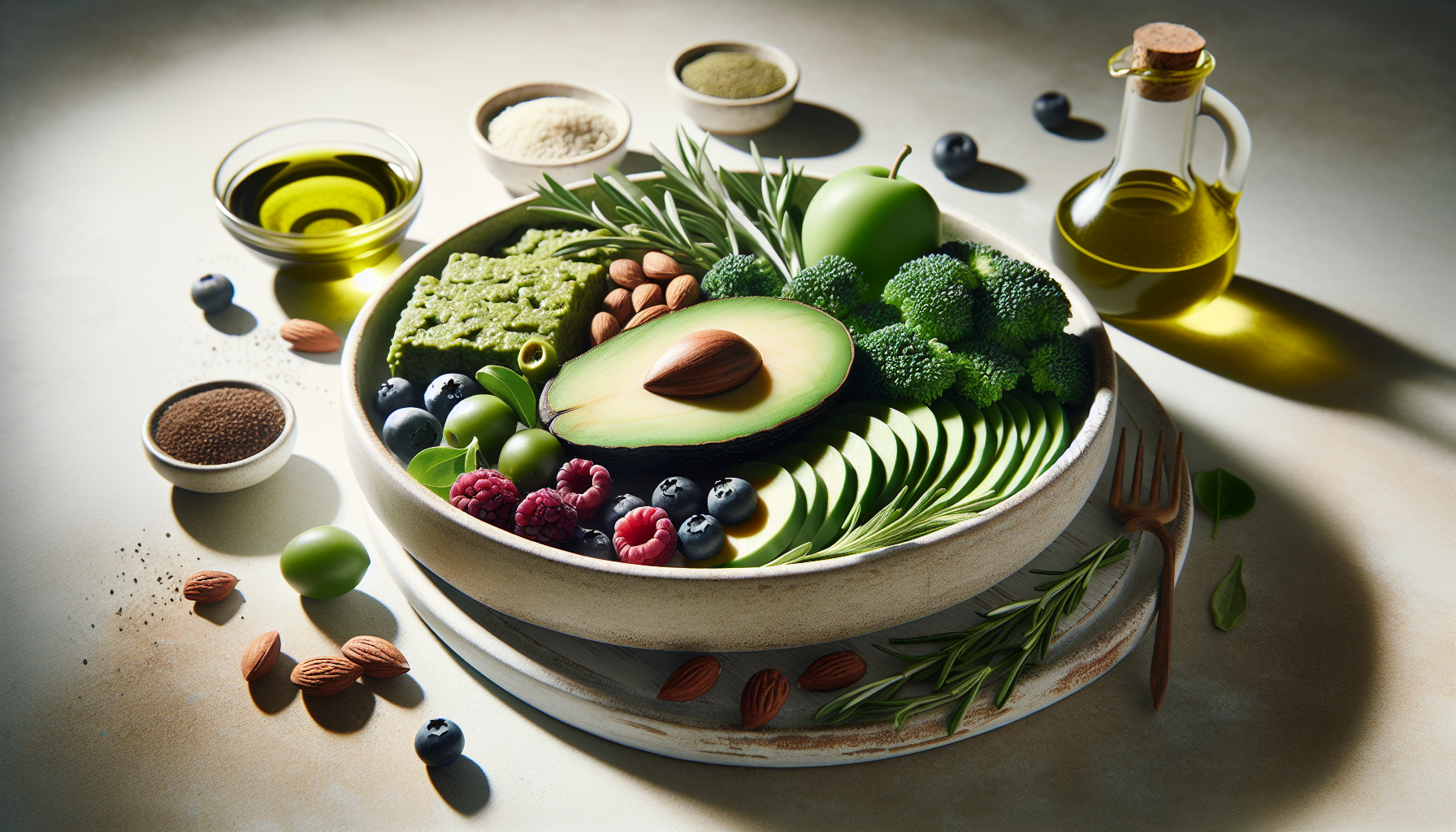
Similarly, avocados are high in healthy monounsaturated fats, particularly oleic acid, which is associated with reduced inflammation and better heart health. Chia seeds offer a robust profile of fiber, protein, calcium, and omega-3s, making them a versatile addition to various meals.
Health Benefits of Superfoods for the Body
Superfoods are often linked to numerous health benefits. For instance, the antioxidants in blueberries may support heart health by reducing blood pressure and cholesterol levels. Avocados, with their healthy fats, can contribute to heart health and aid in nutrient absorption from other foods.
Chia seeds are known for their high fiber content, which can improve digestive health by promoting regular bowel movements. Furthermore, the omega-3s found in chia seeds may support brain health and reduce inflammation throughout the body.
How Superfoods Support Skin and Anti-Aging
Many superfoods are also touted for their skin-enhancing properties. The vitamin C and antioxidants in blueberries may help combat skin damage from UV rays and pollution, potentially slowing down the aging process. Avocados, rich in vitamin E, can support skin health by enhancing skin elasticity and hydration.
Additionally, the antioxidants in chia seeds may aid in reducing the appearance of fine lines and wrinkles, offering a natural approach to maintaining youthful skin. While these foods can support skin health, it's important to pair them with a comprehensive skincare routine.
Benefits of Superfoods for Muscle and Energy
Superfoods can be a great source of energy and are beneficial for muscle health. The protein content in chia seeds makes them an excellent option for muscle repair and growth. Furthermore, the complex carbohydrates found in these seeds provide a steady release of energy, making them ideal for pre- or post-workout meals.
Avocados, with their combination of healthy fats and potassium, can help maintain muscle function and prevent cramps. Meanwhile, blueberries' antioxidants may reduce muscle soreness and improve recovery time, allowing for more effective workouts and increased energy levels.
How to Use Superfoods in Everyday Meals
Incorporating superfoods into your daily diet is easier than you might think. Blueberries can be added to smoothies, yogurt, or oatmeal for a nutrient boost. Avocados can be mashed on toast, added to salads, or used as a creamy base for dressings and dips.
Chia seeds are highly versatile and can be sprinkled on top of cereal, mixed into smoothies, or used to make chia pudding. Experimenting with these foods in various recipes can help you enjoy their benefits while keeping your meals exciting and flavorful.
Common Myths About Superfoods
Despite their benefits, several myths surround superfoods. One common misconception is that eating superfoods alone can lead to miraculous health improvements. In reality, a balanced diet is key, and superfoods should complement, not replace, other nutritious foods.
Another myth is that superfoods are expensive or difficult to find. While some might be pricier, many superfoods like blueberries and chia seeds are affordable and widely available. Additionally, the notion that superfoods are only for health enthusiasts is misleading; anyone can benefit from their nutritional value.
Who Should Be Cautious When Consuming Superfoods
While superfoods are generally considered healthy, certain individuals should exercise caution. People with allergies or food sensitivities should be mindful of ingredients such as nuts or seeds present in some superfoods. Additionally, those on specific medications should consider potential interactions and consult with a healthcare provider before making significant dietary changes.
Pregnant or breastfeeding women and individuals with chronic health conditions should also seek professional advice to tailor their diet to their specific needs.
In conclusion, superfoods offer a wealth of health benefits due to their rich nutritional profiles. By incorporating them into your daily meals, you can enhance your diet and support your overall well-being. Remember, balance and variety are key to a healthy lifestyle.
This article is for informational purposes only and does not constitute medical advice. Individual needs may vary; consult a qualified professional if you have specific health concerns.
Myths vs Facts
Superfoods can replace all other foods.
Superfoods should complement a balanced diet, not replace it.
All superfoods are expensive.
Many superfoods like blueberries and chia seeds are affordable.
Superfoods are a cure-all for health issues.
Superfoods support health but are not a cure for diseases.
References
- Harvard T.H. Chan School of Public Health - The Nutrition Source
- National Center for Biotechnology Information - Blueberries and Cardiovascular Health
- Mayo Clinic - Nutrition and Healthy Eating
Frequently Asked Questions
What exactly are superfoods?
Can superfoods replace a balanced diet?
Are superfoods expensive?
Do superfoods have any side effects?
Can superfoods help with weight loss?
Disclaimer: The information on this site is for educational and informational purposes only. It is not intended as medical advice. Always consult a qualified healthcare professional before making changes to your diet, exercise, or health routine. Results may vary.
Last updated: February 27, 2026.