How Meditation May Support Better Sleep and Relaxation
Quick Take
- ✓ Meditation can help reduce stress and improve sleep quality.
- ✓ Regular practice enhances emotional balance and mental clarity.
- ✓ Different meditation styles offer unique benefits; experiment to find what works for you.
How Meditation May Support Better Sleep and Relaxation
Meditation has become a cornerstone in the wellness community, often praised for its transformative effects on mental well-being. In recent years, meditation for sleep and relaxation has gained popularity, as many seek natural methods to improve their nightly rest. But what exactly makes meditation so effective in promoting better sleep and relaxation?
The practice of meditation involves focusing the mind and eliminating distractions, which can lead to a state of deep relaxation and tranquility. This mental focus can help reduce stress and anxiety, making it easier for individuals to relax and fall asleep. Let's delve into how meditation can be a valuable tool for sleep enhancement and overall relaxation.
Why Meditation Has Become So Popular
Meditation is no longer confined to spiritual or religious practices. Its widespread adoption is partly due to the growing body of research highlighting its benefits for mental and physical health. The global wellness industry has embraced meditation as a non-invasive way to promote mental clarity, reduce stress, and enhance relaxation.
Many people are drawn to meditation because it offers a simple yet effective way to manage stress and improve their quality of life. With the increasing prevalence of stress-related disorders and sleep disturbances, meditation provides a natural solution that is accessible to everyone.
What Happens When You Practice Meditation Regularly
Engaging in regular meditation can lead to profound changes in the mind and body. Studies suggest that meditation may help reduce the production of stress hormones, such as cortisol, and increase the production of serotonin, a neurotransmitter associated with happiness and well-being.
Regular practice can also improve focus and concentration, leading to enhanced mental clarity and emotional balance. For sleep specifically, the calming effects of meditation can help prepare the mind and body for rest, potentially leading to improved sleep quality and duration.
How Meditation May Support Stress and Emotional Balance
One of the key benefits of meditation is its ability to support stress management and emotional regulation. By encouraging mindfulness and awareness, meditation can help individuals become more attuned to their emotions and reactions. This increased awareness can facilitate a more balanced emotional state.
Meditation has been associated with decreased anxiety and improved emotional resilience, which are crucial for maintaining a sense of calm and relaxation. For those struggling with sleep, reducing stress levels through meditation may be a vital step toward achieving restful nights.
Meditation and Its Role in Focus and Mental Clarity
Many practitioners report that meditation enhances their ability to focus and maintain mental clarity. This is supported by research indicating that meditation can increase gray matter in areas of the brain involved in learning and memory.
By practicing meditation, individuals can hone their attention skills and reduce mental chatter, leading to a clearer, more focused mind. This mental discipline can also translate into better control over distractions and an enhanced ability to relax, contributing to improved sleep quality.
Different Types of Meditation Explained Simply
There are various types of meditation, each offering unique benefits. Mindfulness meditation, for instance, involves paying attention to the present moment without judgment. This practice can be especially beneficial for those looking to reduce stress and improve sleep.
Other forms include guided meditation, which involves listening to a guide who leads you through a visualization or relaxation process, and transcendental meditation, which uses mantras to settle the mind into profound rest.
Choosing the right type of meditation depends on your personal preferences and goals. Experimenting with different styles can help you find the most effective method for promoting sleep and relaxation.
How to Start a Simple Daily Meditation Practice
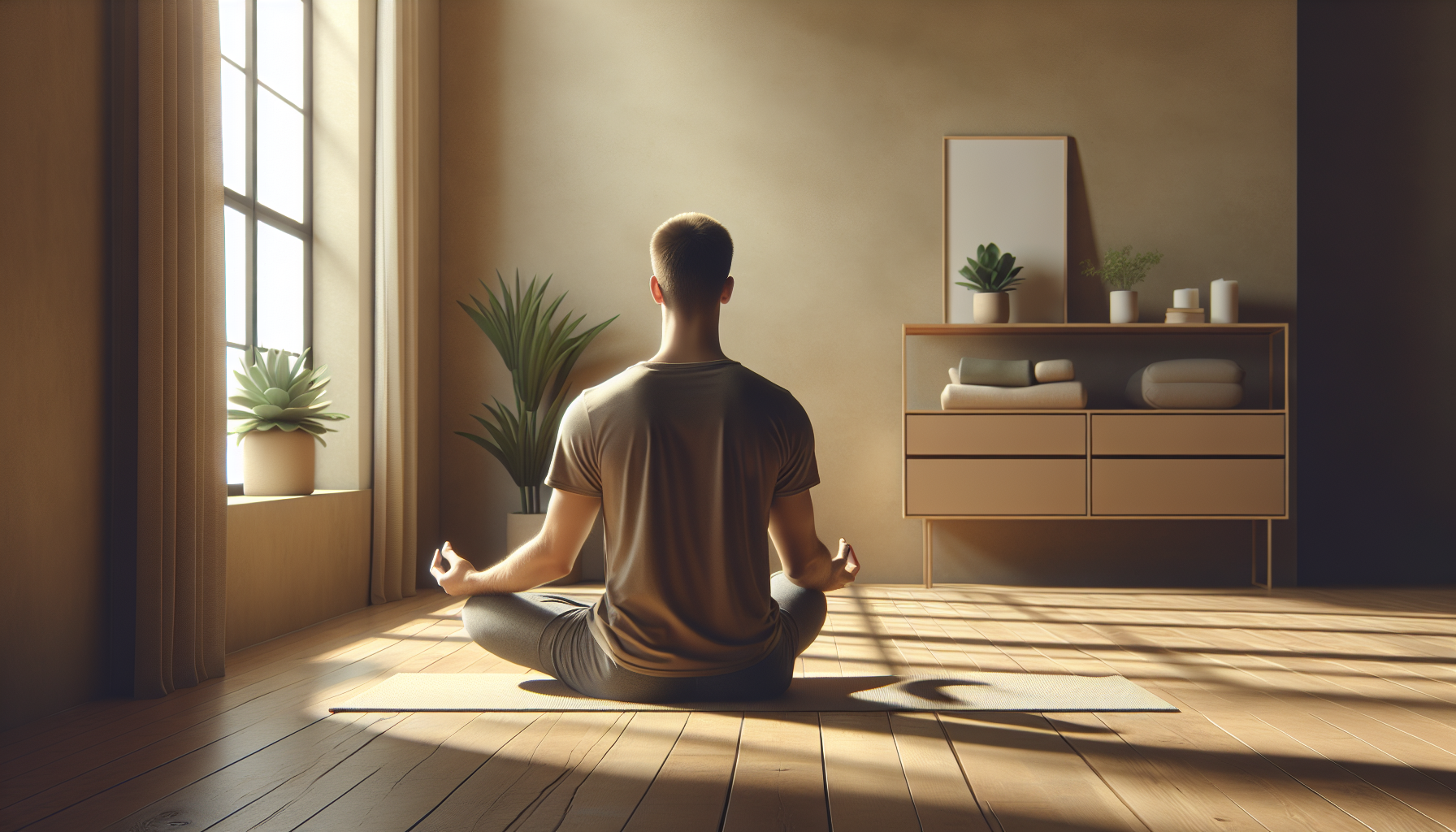
Starting a meditation practice can be simple and doesn't require much time. Begin by setting aside just five to ten minutes each day in a quiet environment where you won't be disturbed.
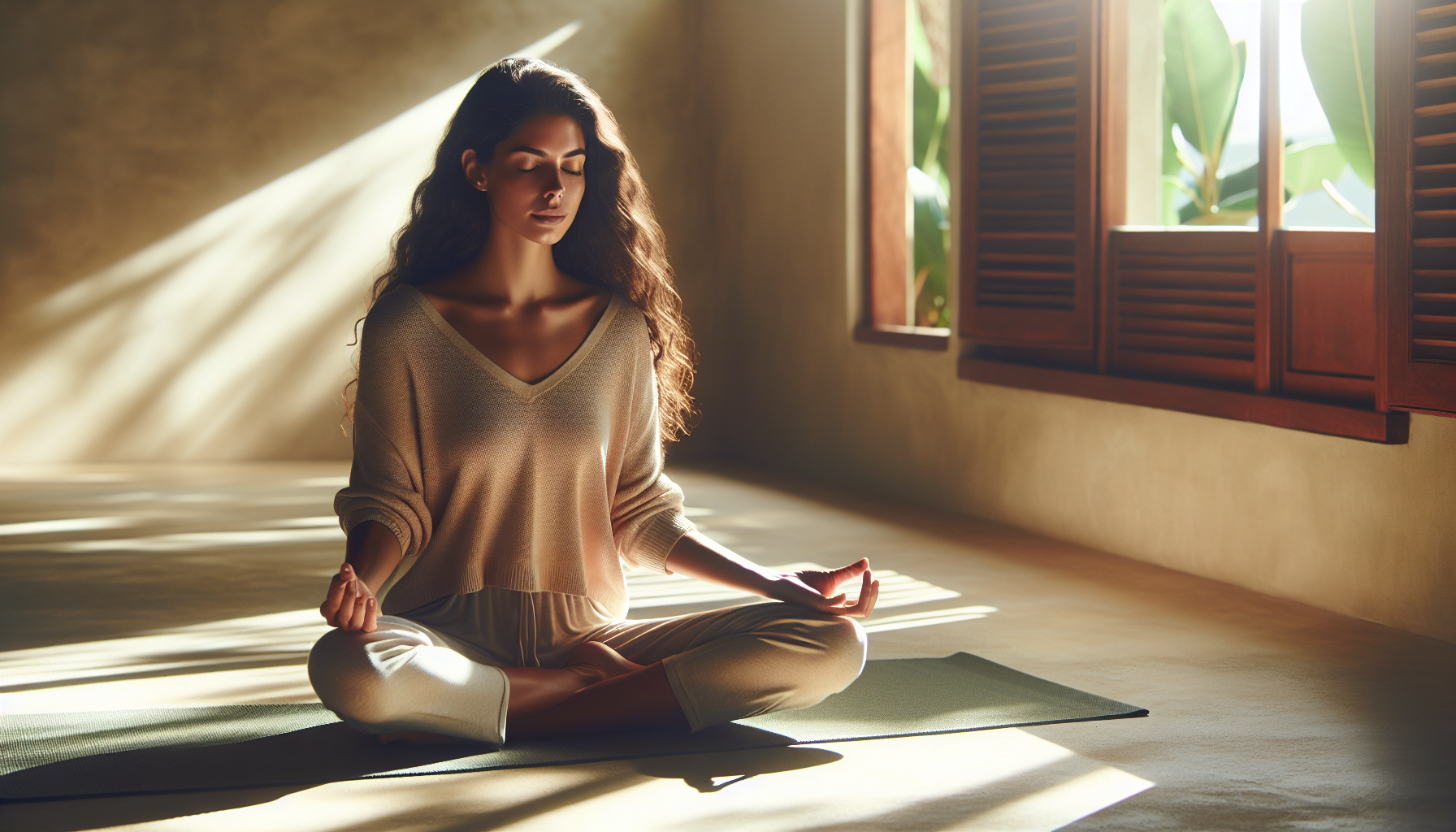
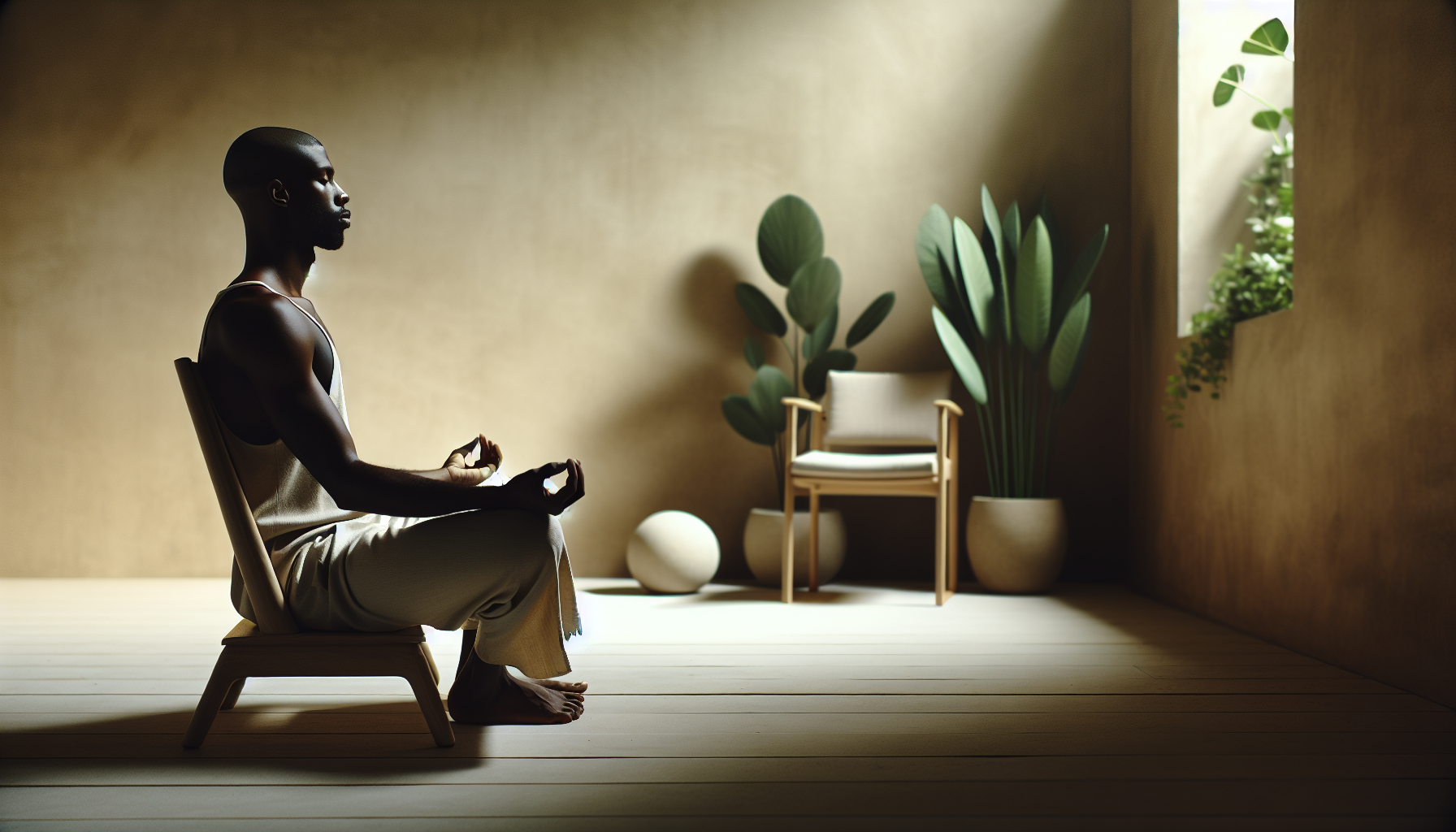
Sit comfortably, close your eyes, and focus on your breath. Allow your thoughts to pass without judgment and gently return your focus to your breathing whenever your mind wanders. Consistency is key, so try to practice at the same time each day, whether it's in the morning or before bed.
As you become more comfortable with meditation, you can gradually increase the duration of your sessions. Many find that longer sessions lead to deeper relaxation and more significant benefits.
Common Myths About Meditation
Meditation is surrounded by various misconceptions that may discourage people from trying it. One common myth is that meditation requires clearing the mind completely, which is not the case. Meditation involves acknowledging thoughts and gently redirecting focus.
Another misconception is that meditation is only for spiritual or religious individuals. In reality, meditation is a tool for everyone, regardless of their beliefs, and can be practiced in a secular context.
Some also believe that meditation requires hours of practice to be effective. Even short, daily sessions can yield significant benefits for sleep and relaxation.
Who Should Be Careful With Meditation Practices
While meditation is generally safe, individuals with certain mental health conditions should approach it with caution. Those with severe anxiety, depression, or a history of trauma may experience heightened emotions during meditation.
In such cases, it's advisable to seek guidance from a qualified professional who can tailor the practice to individual needs. This ensures that meditation is a supportive, rather than overwhelming, experience.
Overall, meditation offers a pathway to better sleep and relaxation, providing a foundation for improved well-being. By incorporating meditation into your daily routine, you may discover a natural way to enhance both mental and physical health.
This article is for informational purposes only and does not constitute medical advice. Individual experiences may vary; consult a qualified professional if you have specific mental health concerns.
Myths vs Facts
Meditation requires clearing your mind completely.
Meditation involves acknowledging thoughts and gently redirecting focus.
Meditation is only for spiritual people.
Meditation is a secular tool for everyone, regardless of beliefs.
Hours of meditation are needed for benefits.
Short, daily sessions can be highly effective for improving sleep and relaxation.
References
- Mayo Clinic - Meditation: A simple, fast way to reduce stress
- National Center for Complementary and Integrative Health - Meditation
- Harvard Health Publishing - Relaxation techniques: Breath control helps quell errant stress response
Frequently Asked Questions
Can meditation really help improve sleep?
How long should I meditate to experience benefits?
What type of meditation is best for sleep?
Is meditation safe for everyone?
Do I need special equipment to meditate?
Disclaimer: The information on this site is for educational and informational purposes only. It is not intended as medical advice. Always consult a qualified healthcare professional before making changes to your diet, exercise, or health routine. Results may vary.
Last updated: February 27, 2026.