Meditation Explained: Simple Practices for a Calmer Mind
Quick Take
- ✓ Meditation can support stress relief and emotional balance.
- ✓ Practicing meditation regularly may enhance mental clarity and focus.
- ✓ There are various types of meditation, each offering unique benefits.
Meditation Explained: Simple Practices for a Calmer Mind
In the fast-paced world we live in, meditation has emerged as a beacon for those seeking tranquility and focus. The practice of meditation is becoming increasingly popular as more people discover its potential benefits for mental clarity and emotional well-being. By dedicating time to meditation, individuals may find support in cultivating a calmer mind amidst the chaos of daily life.
Meditation is more than just a trend; it's an ancient practice that offers modern-day solutions for stress and cognitive overload. By integrating meditation into daily routines, individuals may access a state of enhanced relaxation and awareness, potentially leading to improved emotional balance and focus.
Why Meditation Has Become So Popular
Meditation's popularity can be attributed to its promising ability to provide a quiet refuge from the constant noise of modern life. As technology advances, bringing with it the pressure to stay connected, meditation offers a counterbalance—a chance to disconnect and reset.
Studies suggest that meditation may reduce stress, enhance emotional resilience, and improve overall well-being. The rise of mindfulness apps, meditation retreats, and online courses further reflect a growing societal interest in this practice as a tool for personal growth and mental health maintenance.
What Happens When You Practice Meditation Regularly
Engaging in regular meditation may lead to a number of psychological and physiological changes. Research indicates that consistent meditation practice can alter brain structure and function, potentially enhancing areas related to attention, memory, and emotional regulation.
Regular meditation practice is associated with reduced levels of the stress hormone cortisol, potentially leading to feelings of relaxation and calm. Additionally, meditation may improve attention span and cognitive flexibility, contributing to better mental clarity and focus.
How Meditation May Support Stress and Emotional Balance
In today's high-pressure environments, stress is a common concern. Meditation offers a potential remedy by encouraging a state of relaxation that counteracts stress responses. Through meditation, individuals may develop greater emotional awareness, helping them manage their reactions to stressors.
By fostering mindfulness, meditation can promote a state of present-moment awareness that supports emotional balance. This practice encourages individuals to observe their thoughts and feelings without judgment, which may lead to healthier emotional processing and resilience.
Meditation and Its Role in Focus and Mental Clarity
Meditation has been shown to enhance focus and mental clarity, which can be particularly beneficial in a world full of distractions. By training the mind to concentrate on a single point of focus, such as the breath, practitioners may find it easier to maintain attention and resist distractions.
Research suggests that regular meditation practice can improve executive function and working memory, contributing to sharper cognitive abilities and more efficient problem-solving skills. These benefits make meditation a valuable tool for those seeking to enhance their mental performance.
Different Types of Meditation Explained Simply
Meditation is a diverse practice encompassing various techniques, each with unique benefits. Common types include:
- Mindfulness Meditation: Focuses on present-moment awareness and acceptance.
- Transcendental Meditation: Involves the repetition of a mantra to settle the mind into a state of restful alertness.
- Guided Visualization: Uses imagery to promote relaxation and mental well-being.
- Loving-Kindness Meditation: Cultivates feelings of compassion and kindness towards oneself and others.
Each type of meditation offers different paths to achieving calmness and mental clarity, allowing individuals to choose what best suits their needs and preferences.
How to Start a Simple Daily Meditation Practice
Embarking on a meditation journey doesn't have to be complex. Beginners can start with just a few minutes a day. Here are some tips:
- Set a Regular Time: Choose a consistent time each day to practice, such as morning or evening.
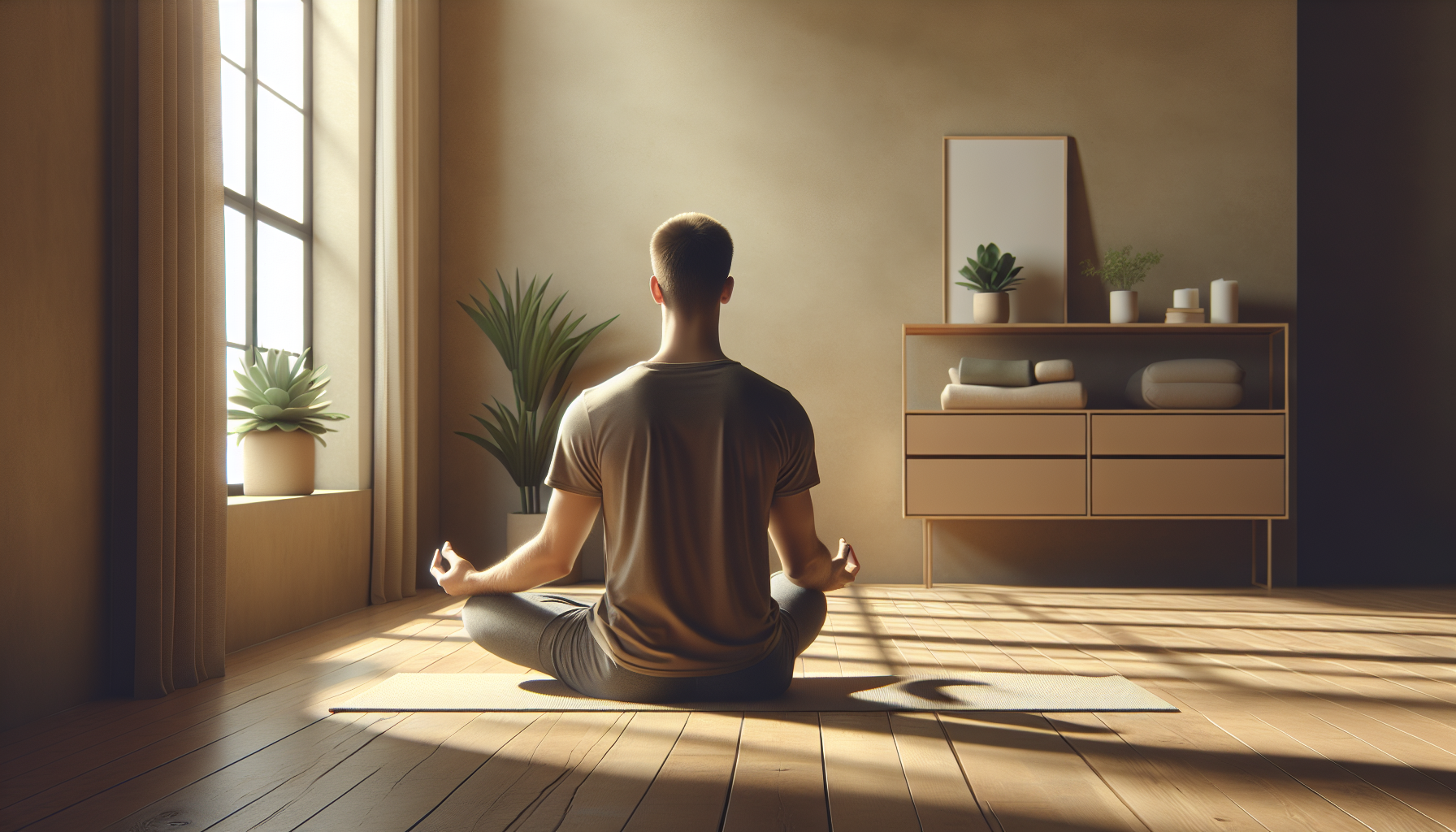
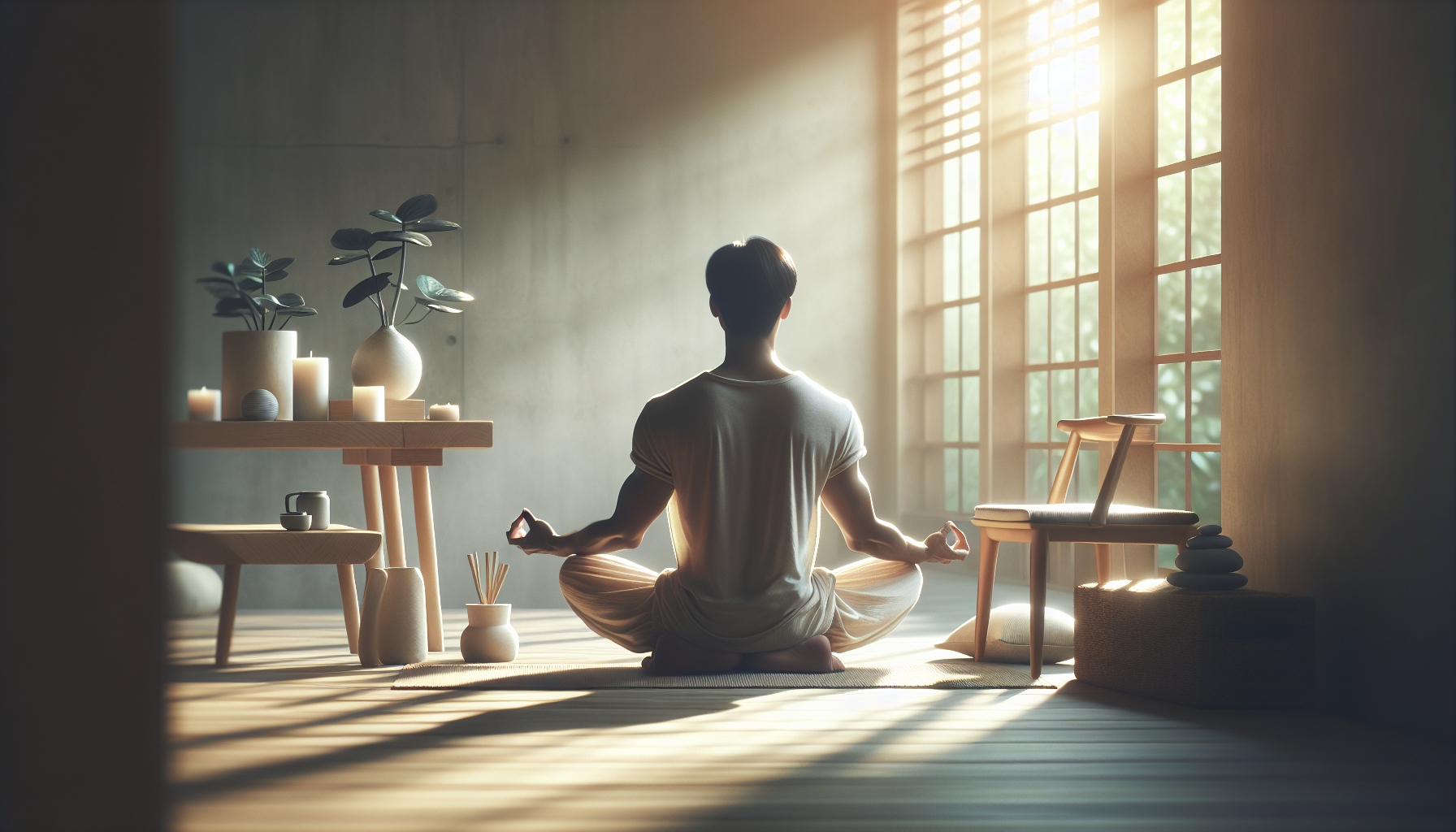
- Create a Quiet Space: Designate a peaceful spot where you won't be disturbed.
- Start Small: Begin with five-minute sessions and gradually increase the duration as you become more comfortable.
- Focus on Breathing: Use your breath as an anchor to return to whenever your mind wanders.
- Be Patient: Meditation is a skill developed over time. Be patient with yourself as you learn.
Common Myths About Meditation
Misconceptions about meditation can deter people from trying it. Here are some common myths debunked:
- Myth: Meditation requires hours of practice. Fact: Even a few minutes can be beneficial.
- Myth: It's only for spiritual people. Fact: Meditation is accessible to everyone, regardless of beliefs.
- Myth: You must clear your mind completely. Fact: The goal is not to stop thoughts but to observe them without attachment.
Who Should Be Careful With Meditation Practices
While meditation can be beneficial for many, it may not be suitable for everyone. Individuals with certain emotional sensitivities or mental health conditions should approach meditation with caution and seek professional guidance if needed.
Those experiencing intense emotional distress or trauma may find that meditation brings up difficult emotions. In such cases, working with a qualified therapist or meditation instructor can provide the necessary support to navigate these challenges safely.
Ultimately, meditation is a personal journey that can offer long-term benefits for those who engage with it mindfully. By incorporating meditation into daily life, individuals may find greater peace, balance, and clarity in an often chaotic world.
This article is for informational purposes only and does not constitute medical advice. Individual experiences may vary; consult a qualified professional if you have specific mental health concerns.
Myths vs Facts
Meditation is only for religious or spiritual people.
Meditation is a secular practice accessible to anyone, regardless of their spiritual beliefs.
You need to meditate for hours to see any benefits.
Even a few minutes of daily meditation can provide significant benefits.
Meditation requires clearing your mind completely.
Meditation involves observing your thoughts without judgment, not erasing them.
References
- National Center for Complementary and Integrative Health - Meditation: In Depth
- Mayo Clinic - Meditation: A Simple, Fast Way to Reduce Stress
- Harvard Health Publishing - Mindfulness meditation may ease anxiety, mental stress
Frequently Asked Questions
What is the best time of day to meditate?
How long should I meditate each day?
Do I need a special place to meditate?
Can meditation help with anxiety?
Is it normal for my mind to wander during meditation?
Disclaimer: The information on this site is for educational and informational purposes only. It is not intended as medical advice. Always consult a qualified healthcare professional before making changes to your diet, exercise, or health routine. Results may vary.
Last updated: February 27, 2026.