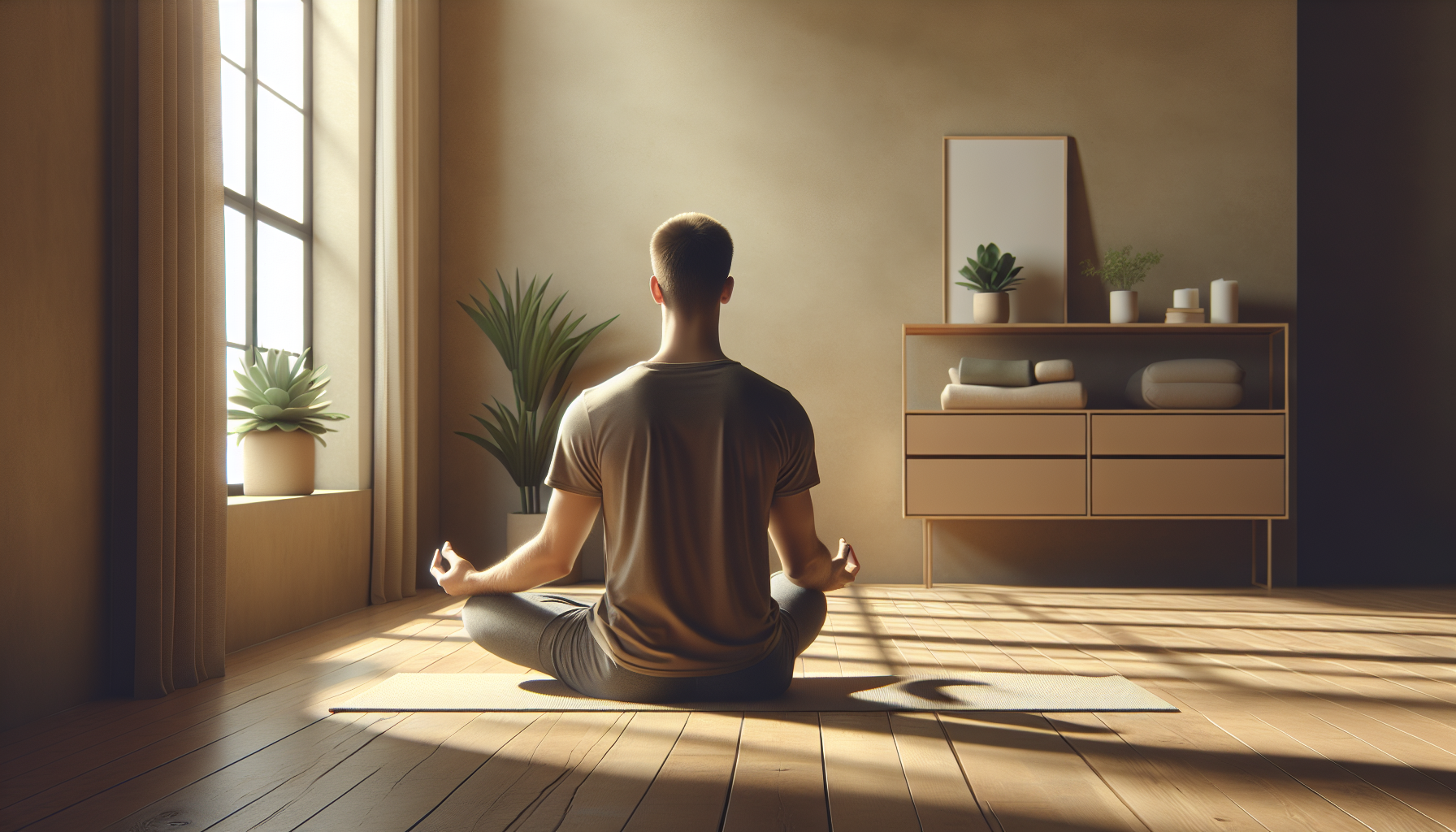
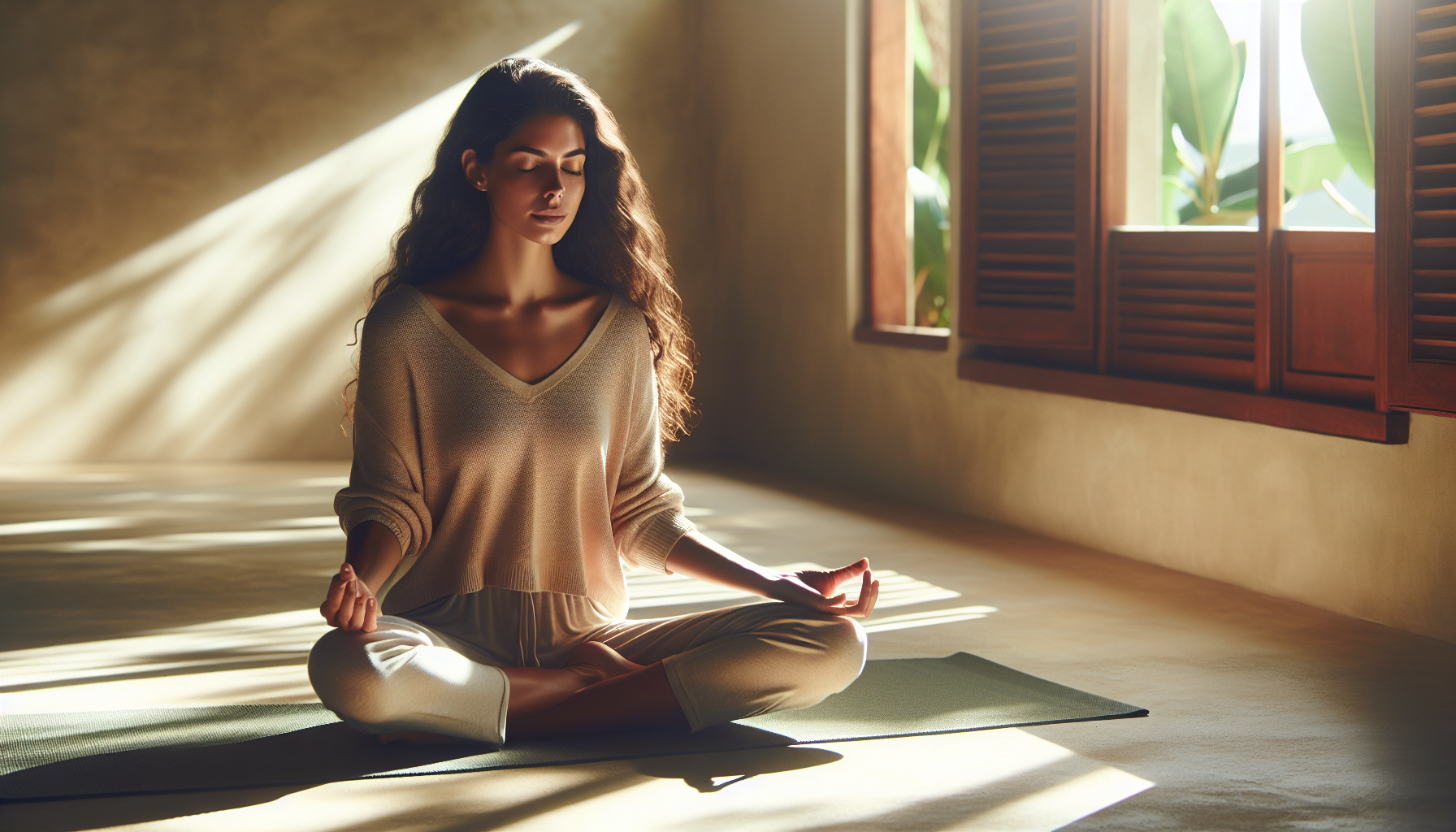
Why Meditation Is Often Linked to Emotional Balance
Quick Take
- ✓ Meditation can support emotional balance by promoting relaxation and mindfulness.
- ✓ Regular meditation may enhance focus and mental clarity.
- ✓ Different meditation types offer unique benefits tailored to individual needs.
Why Meditation Is Often Linked to Emotional Balance
In today's fast-paced world, meditation has emerged as a popular practice for those seeking peace and emotional balance. With its roots deeply embedded in ancient traditions, meditation offers a refuge from the stresses of modern life. Many people have turned to meditation for its potential to foster emotional balance and well-being.
The link between meditation and emotional balance is not just anecdotal; it has been supported by various studies and evidence. This practice encourages a sense of relaxation, heightened awareness, and focus, all of which can contribute to maintaining emotional equilibrium.
Why Meditation Has Become So Popular
Meditation's popularity has soared, largely due to its accessibility and the growing body of research highlighting its benefits. Unlike other practices that may require special equipment or settings, meditation can be done anywhere, making it a convenient option for many.
The rise of mindfulness apps and online resources has also made meditation more accessible than ever. People are drawn to meditation for its potential to reduce stress, enhance emotional resilience, and improve overall quality of life.
What Happens When You Practice Meditation Regularly
Consistent meditation practice may lead to various psychological and physiological benefits. Regular meditators often report feeling more relaxed, focused, and emotionally stable. This is supported by studies suggesting that meditation can reduce the production of stress hormones like cortisol.
Furthermore, meditation encourages self-awareness and mindfulness, helping individuals recognize and understand their emotions better. This heightened awareness can lead to improved emotional regulation and resilience.
How Meditation May Support Stress and Emotional Balance
Meditation is often linked to stress reduction and emotional balance due to its calming effects on the mind and body. By focusing on the present moment and letting go of distractions, meditation can help you manage stress more effectively.
Practicing meditation may also promote the release of neurotransmitters like serotonin, which are associated with mood regulation. This biochemical shift can support emotional stability and reduce feelings of anxiety and depression.
Meditation and Its Role in Focus and Mental Clarity
Meditation is known for enhancing focus and mental clarity. By training the mind to concentrate on a single point of focus—whether it's the breath, a mantra, or an object—meditation can improve attention span and cognitive function.
This increased focus can lead to better decision-making and problem-solving skills, contributing to a sense of mental clarity that supports emotional balance.
Different Types of Meditation Explained Simply
Meditation comes in various forms, each with unique benefits. Mindfulness meditation involves paying attention to your thoughts and feelings without judgment. Transcendental meditation focuses on repeating a mantra to settle the mind into a state of profound rest.
Other types include guided meditation, which involves following a narrator’s instructions, and loving-kindness meditation, where the focus is on cultivating compassion and love towards oneself and others.
How to Start a Simple Daily Meditation Practice
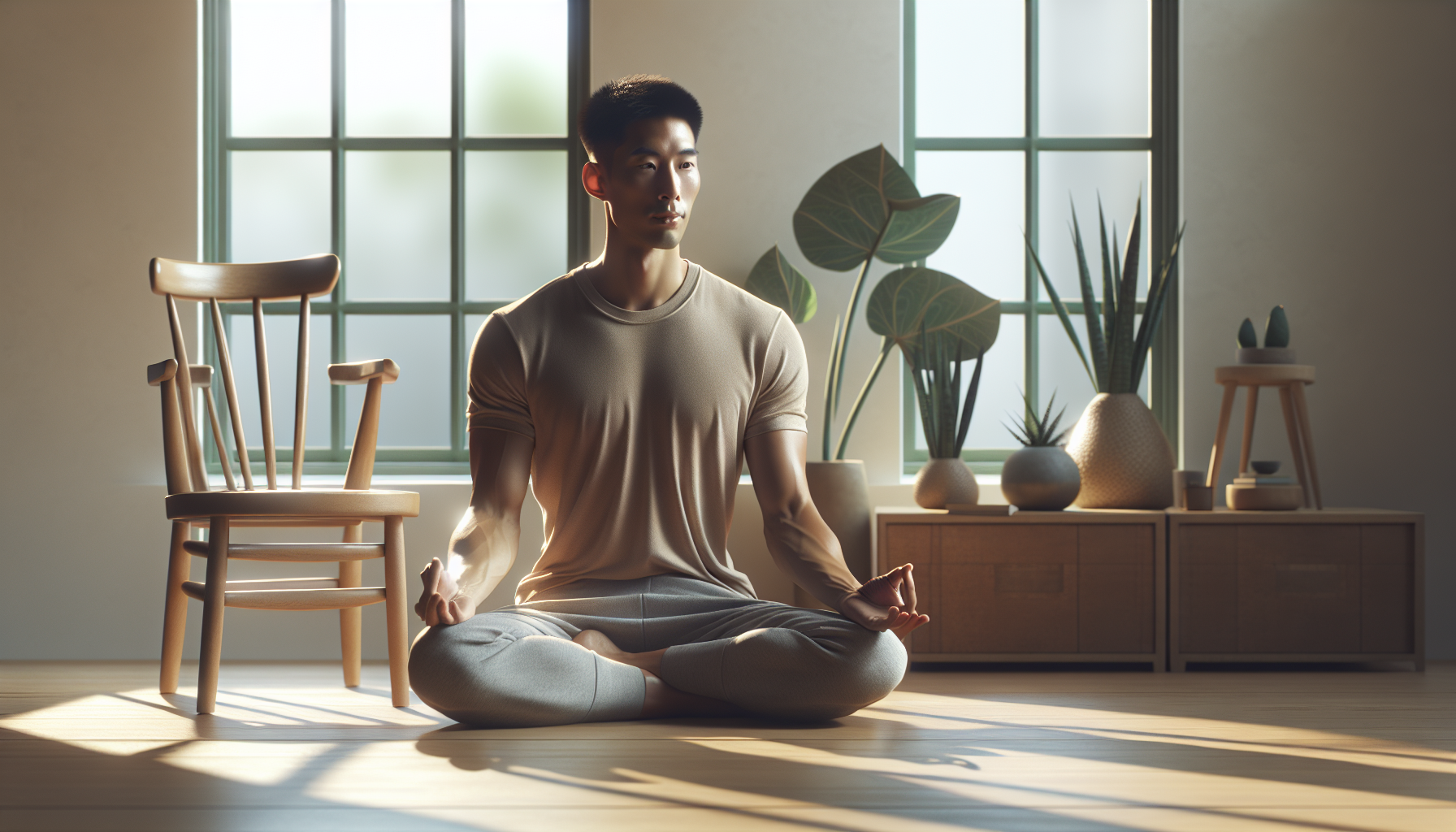
Starting a meditation practice is simple and requires no special equipment. Begin by setting aside a few minutes each day in a quiet, comfortable space. Focus on your breath, observing each inhalation and exhalation without trying to change it.
Consistency is key. Try to meditate at the same time each day to establish a routine. As you progress, you may increase the duration of your sessions as it feels comfortable.
Common Myths About Meditation
There are several misconceptions about meditation. One common myth is that meditation requires clearing the mind completely, which isn't necessary. Another is the belief that meditation is only for spiritual purposes, when in fact, it can be secular and tailored to individual needs.
Understanding these myths can help you approach meditation with realistic expectations and reap its full benefits.
Who Should Be Careful With Meditation Practices
While meditation is generally safe, those with certain mental health conditions should approach it with caution. Individuals with severe anxiety, depression, or trauma history may find meditation overwhelming without professional guidance.
If you have emotional sensitivities, consider consulting with a mental health professional to ensure meditation is a suitable practice for you.
In conclusion, meditation has been linked to emotional balance for its ability to promote relaxation, focus, and self-awareness. As a daily practice, it offers long-term benefits for mental and emotional well-being. However, it's essential to approach meditation with patience and realistic expectations.
This article is for informational purposes only and does not constitute medical advice. Individual experiences may vary; consult a qualified professional if you have specific mental health concerns.
Myths vs Facts
Meditation requires clearing the mind completely.
Meditation involves focusing the mind, but thoughts can still arise without judgment.
Meditation is only for spiritual purposes.
Meditation can be secular and is used for various personal development goals.
Meditation provides instant relaxation.
Meditation is a practice that may take time to show significant benefits.
References
- National Center for Complementary and Integrative Health - Meditation
- Harvard Health - The Power of the Mind: How Meditation Changes the Brain
- Mayo Clinic - Meditation: A Simple, Fast Way to Reduce Stress
Frequently Asked Questions
How does meditation promote emotional balance?
Can meditation help with anxiety and stress?
What is the best time of day to meditate?
Do I need to meditate every day?
Is meditation suitable for everyone?
Disclaimer: The information on this site is for educational and informational purposes only. It is not intended as medical advice. Always consult a qualified healthcare professional before making changes to your diet, exercise, or health routine. Results may vary.
Last updated: February 27, 2026.