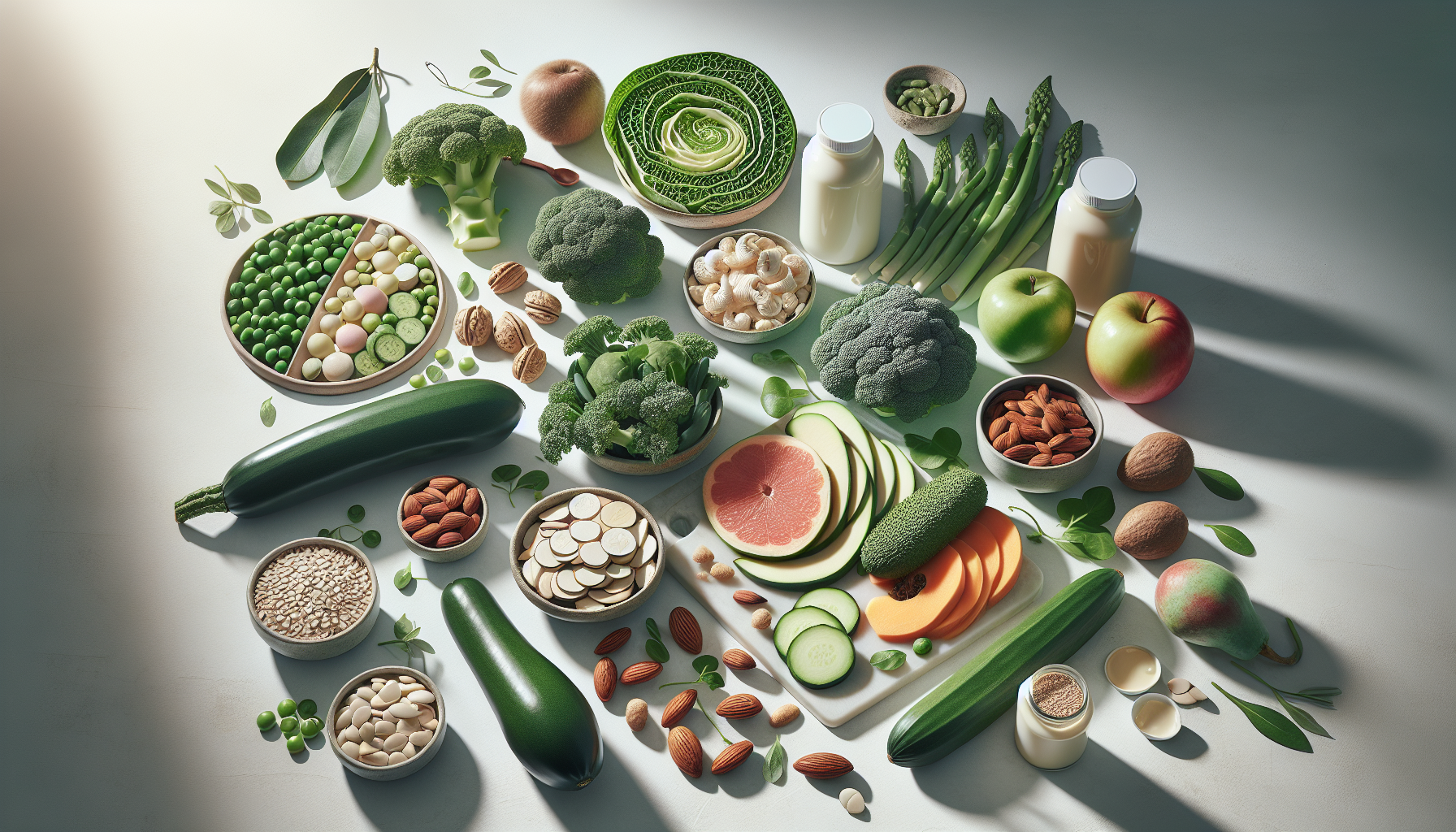
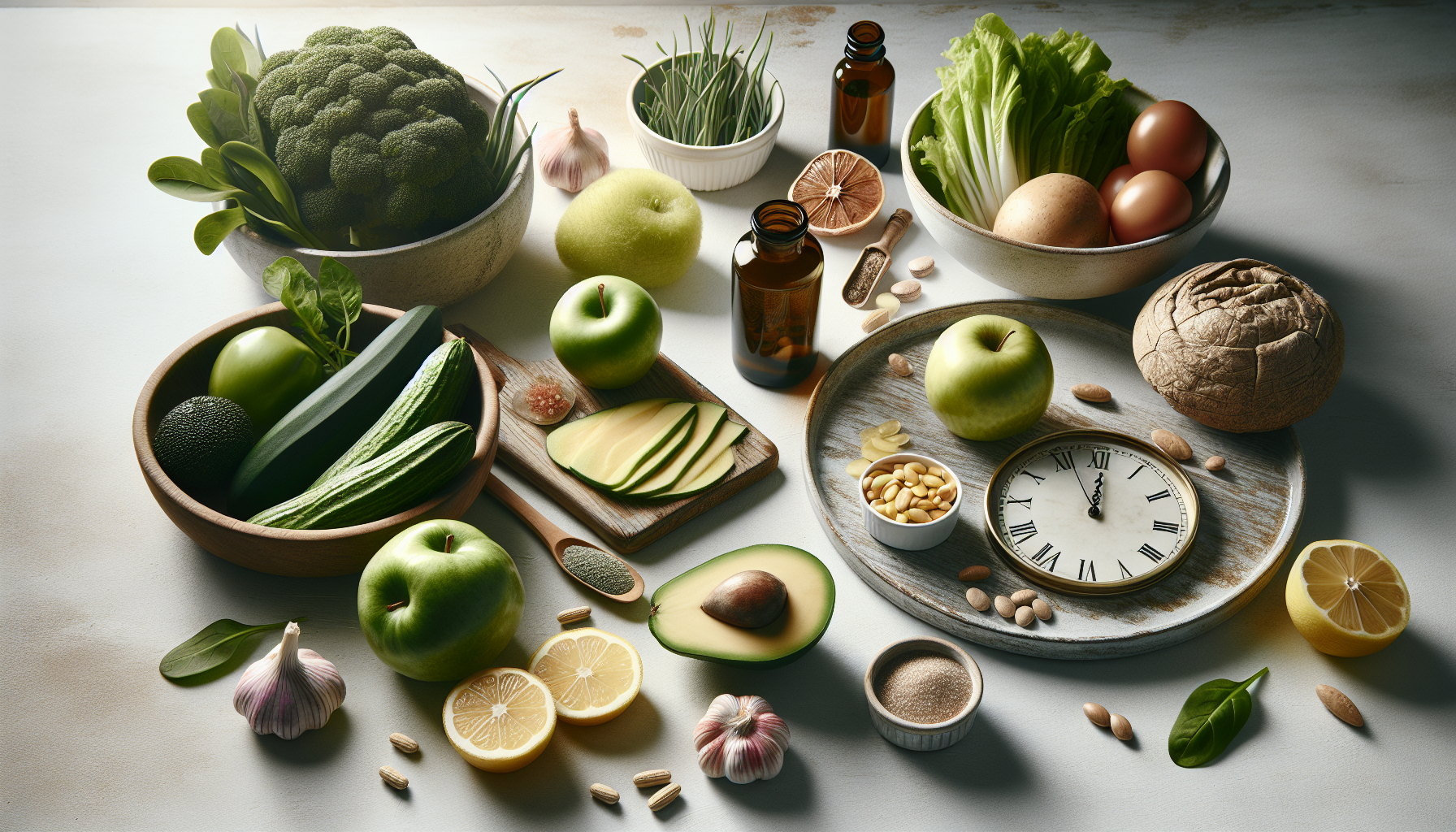
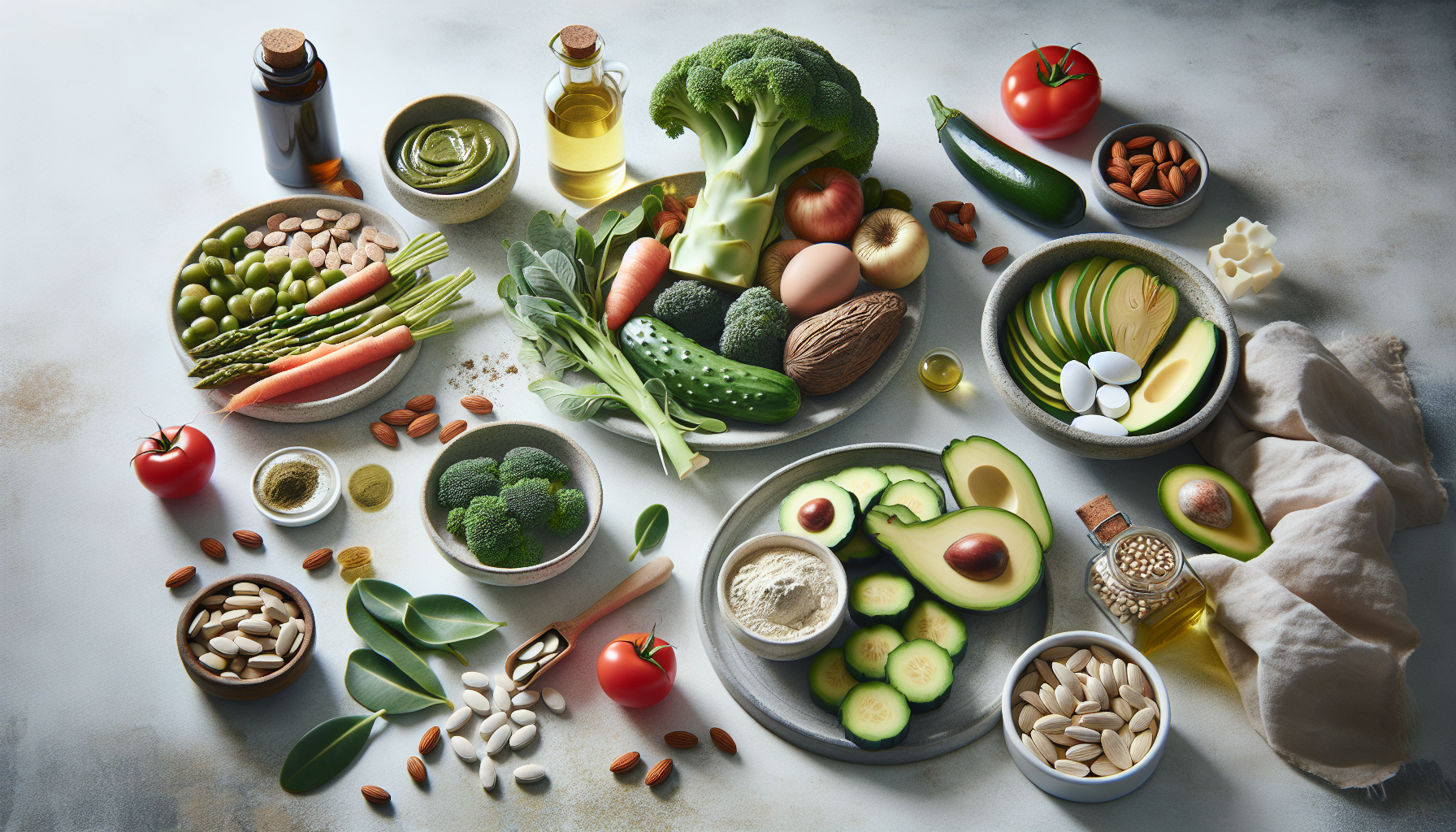
Anti-Aging Foods That Support Skin, Energy, and Vitality
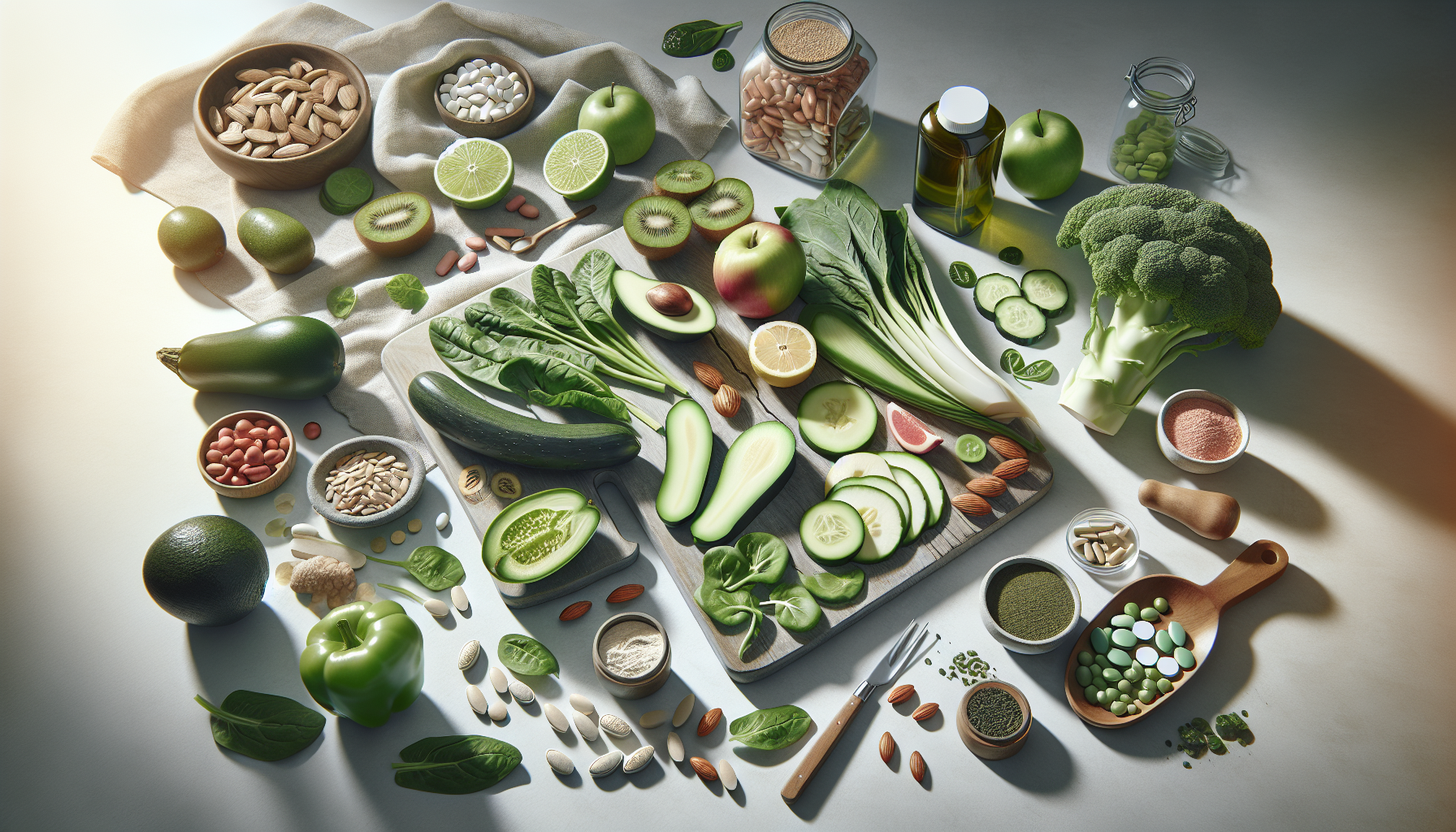
Quick Take
- ✓ Antioxidant-rich foods may reduce oxidative stress.
- ✓ Collagen-supporting foods can enhance skin elasticity.
- ✓ Balanced diets contribute to muscle health and vitality.
Anti-Aging Foods: Boost Your Skin, Energy, and Vitality Naturally
Aging is an inevitable part of life, but the conversation around it has shifted dramatically in recent years. With the rise of scientific insights into nutrition, many are exploring how anti-aging foods can support skin health, energy levels, and overall vitality. The quest for longevity and youthful living has sparked global interest in dietary choices that may slow down the visible and invisible effects of aging.
Nutrition plays a pivotal role in how we age, influencing everything from skin elasticity to energy metabolism. As we delve into the world of anti-aging foods, we uncover a variety of ingredients that are commonly associated with promoting a youthful appearance and vibrant health. Let’s explore how these foods may contribute to your anti-aging journey.
Why Some Foods Are Linked to Slower Aging
The concept of anti-aging foods largely revolves around their ability to combat oxidative stress and inflammation, two key factors in the aging process. Foods rich in antioxidants, such as berries and nuts, help neutralize free radicals, reducing cellular damage. Omega-3 fatty acids, found in fish like salmon, are known for their anti-inflammatory properties, potentially slowing the aging process.
Moreover, certain foods promote cellular repair and regeneration, supporting longevity. For instance, polyphenols in green tea have been studied for their role in extending lifespan by enhancing cellular resilience.
What Research Suggests About Anti-Aging Foods
Research continually sheds light on how specific foods may influence the aging process. For example, a study published in the Journal of Nutrition found that diets rich in fruits and vegetables are associated with improved skin health and reduced signs of aging. Another study highlighted the role of the Mediterranean diet, rich in healthy fats and antioxidants, in promoting longevity and reducing age-related diseases.
These findings suggest that incorporating a variety of nutrient-dense foods into your diet may offer protective benefits against the effects of aging.
Foods Commonly Associated With Youthful, Glowing Skin
Achieving glowing skin through diet is a tantalizing prospect. Foods high in vitamin C, such as citrus fruits and strawberries, are crucial for collagen synthesis, which maintains skin firmness. Avocados, rich in healthy fats and vitamin E, may improve skin texture and hydration.
Additionally, tomatoes and carrots, high in carotenoids, can enhance skin appearance and protect against UV damage. These foods, among others, are celebrated for their potential to support a radiant complexion.
Anti-Aging Foods That Support Collagen Naturally
Collagen is a vital protein for maintaining skin elasticity and strength. Foods like bone broth, which is rich in collagen, can be a valuable addition to an anti-aging diet. Leafy greens and berries, high in vitamin C and other antioxidants, support collagen production indirectly by protecting collagen fibers from damage.
Including these foods in your diet could help maintain skin’s youthful resilience and appearance.
Why Muscle Health Matters More As You Age
As we age, maintaining muscle mass becomes increasingly important for overall health and function. Protein-rich foods, such as lean meats, legumes, and dairy, play a critical role in muscle maintenance and growth. Additionally, vitamin D and calcium from sources like fortified milk and fish are essential for bone health, further supporting mobility and strength.
Incorporating these nutrients can help preserve muscle function and prevent age-related decline.
Foods That Help Support Strength, Energy, and Mobility
Maintaining energy levels and mobility is essential for a vibrant life. Complex carbohydrates from whole grains provide a steady source of energy, while magnesium-rich foods like nuts and seeds support muscle function and energy production. Additionally, iron-rich foods like spinach and red meat are crucial for preventing fatigue and maintaining vitality.
These dietary choices may contribute to sustained energy and physical function as you age.
Daily Eating Habits Often Seen in Healthy Aging
Observations of centenarians and those living in Blue Zones, regions known for longevity, reveal common dietary habits. Their diets emphasize plant-based foods, moderate protein intake, and limited processed foods. Regular consumption of herbal teas and fermented foods is also common, providing probiotics for gut health.
Adopting similar eating habits could support a longer, healthier life.
Common Myths About Anti-Aging Nutrition
Despite the popularity of anti-aging diets, several myths persist. One common misconception is that anti-aging foods can eliminate wrinkles entirely, which is not supported by evidence. Similarly, the idea that supplements can replace a balanced diet is misleading, as whole foods offer unique benefits.
Understanding these myths can lead to more informed dietary choices.
What Anti-Aging Foods Can — and Cannot — Do
While anti-aging foods can support health and appearance, they are not a panacea. They may enhance skin appearance, boost energy, and support muscle health, but they cannot stop aging entirely or replace medical treatments. A holistic approach, including regular exercise and a balanced lifestyle, is essential for optimal aging.
Realistic expectations are key to embracing the benefits of these foods.
Who Should Be Careful With Anti-Aging Foods
While anti-aging foods generally offer health benefits, certain individuals should exercise caution. Those with allergies or food sensitivities should avoid specific foods that could trigger reactions. Additionally, interactions with medications should be considered, especially with foods high in vitamin K or grapefruit.
Consulting with a healthcare provider can ensure safe and beneficial dietary choices.
Embracing anti-aging foods may support a youthful appearance, energy, and vitality. By incorporating a variety of nutrient-rich foods, you can nourish your body and potentially enhance your quality of life as you age. However, it's essential to approach such dietary changes with realistic expectations and consult professionals for personalized advice.
This article is for informational purposes only and does not constitute medical advice. Individual responses may vary; consult a qualified professional for personalized guidance.
Myths vs Facts
Anti-aging foods can completely stop aging.
While they may slow some aging signs, they cannot halt the process entirely.
Supplements are just as good as whole foods.
Whole foods provide complex nutrients not fully replicated by supplements.
Only expensive superfoods can help with aging.
Common fruits, vegetables, and whole grains also offer anti-aging benefits.
References
- Journal of Nutrition - The Role of Diet in Skin Aging
- The Mediterranean Diet and Longevity - Harvard Health
- Antioxidants and Aging - National Institutes of Health
Frequently Asked Questions
What are anti-aging foods?
Can diet really affect aging?
Are supplements as effective as anti-aging foods?
Which foods are best for skin health?
Are there any risks to eating anti-aging foods?
Disclaimer: The information on this site is for educational and informational purposes only. It is not intended as medical advice. Always consult a qualified healthcare professional before making changes to your diet, exercise, or health routine. Results may vary.
Last updated: February 27, 2026.