Everyday Foods That Support Muscle and Joint Health

Quick Take
- ✓ Protein-rich foods are essential for muscle recovery and growth.
- ✓ Omega-3 fatty acids may help reduce joint inflammation.
- ✓ Antioxidant-rich foods support joint health and flexibility.
Everyday Foods That Support Muscle and Joint Health
Muscle and joint health are critical components of daily movement, strength, and overall quality of life. Whether you're an athlete or someone looking to maintain mobility as you age, focusing on muscle and joint support is crucial. Diet plays a significant role in nourishing these vital bodily systems, and incorporating specific foods into your daily meals may foster improved strength and flexibility. By understanding how nutrition intertwines with physical wellness, you can take proactive steps towards a healthier lifestyle.
Why Muscle and Joint Health Matter More Over Time
As we age, maintaining muscle and joint health becomes increasingly important. Over time, our bodies naturally experience wear and tear, leading to potential issues like decreased flexibility, stiffness, or discomfort. Prioritizing muscle and joint support can help mitigate these effects, promoting independence and an active lifestyle well into older age.
The Connection Between Muscles, Joints, and Daily Movement
Muscles and joints work together seamlessly to facilitate movement. Muscles provide the force needed for motion, while joints act as pivot points. This collaboration is essential not only for complex activities like running or lifting but also for everyday actions such as walking or reaching. Supporting both systems through nutrition ensures they function efficiently, enhancing your range of motion and daily comfort.
Nutrients Commonly Linked to Muscle and Joint Support
Certain nutrients are associated with promoting muscle and joint health. Protein is crucial for muscle repair and growth, while omega-3 fatty acids are known for their anti-inflammatory properties, potentially easing joint discomfort. Additionally, calcium and vitamin D are vital for bone health, indirectly supporting joints by maintaining bone density.
Foods That Support Muscle Strength and Recovery
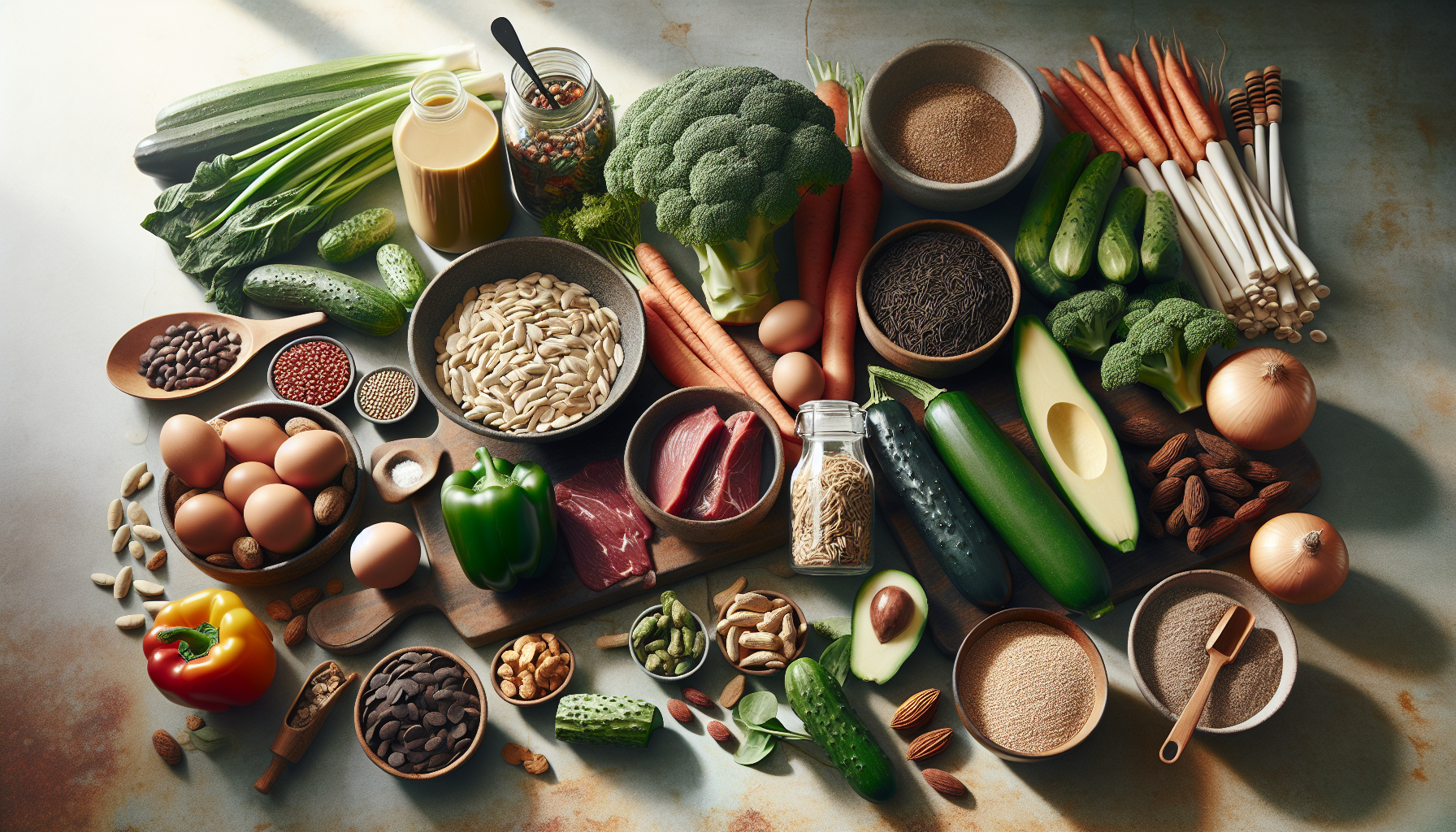
Incorporating protein-rich foods like lean meats, beans, and dairy into your diet can aid in muscle recovery and growth. Eggs, which are high in protein and contain essential amino acids, are excellent for muscle maintenance. For plant-based options, consider tofu or lentils, which also offer a protein punch.
Joint-Supporting Foods for Mobility and Flexibility
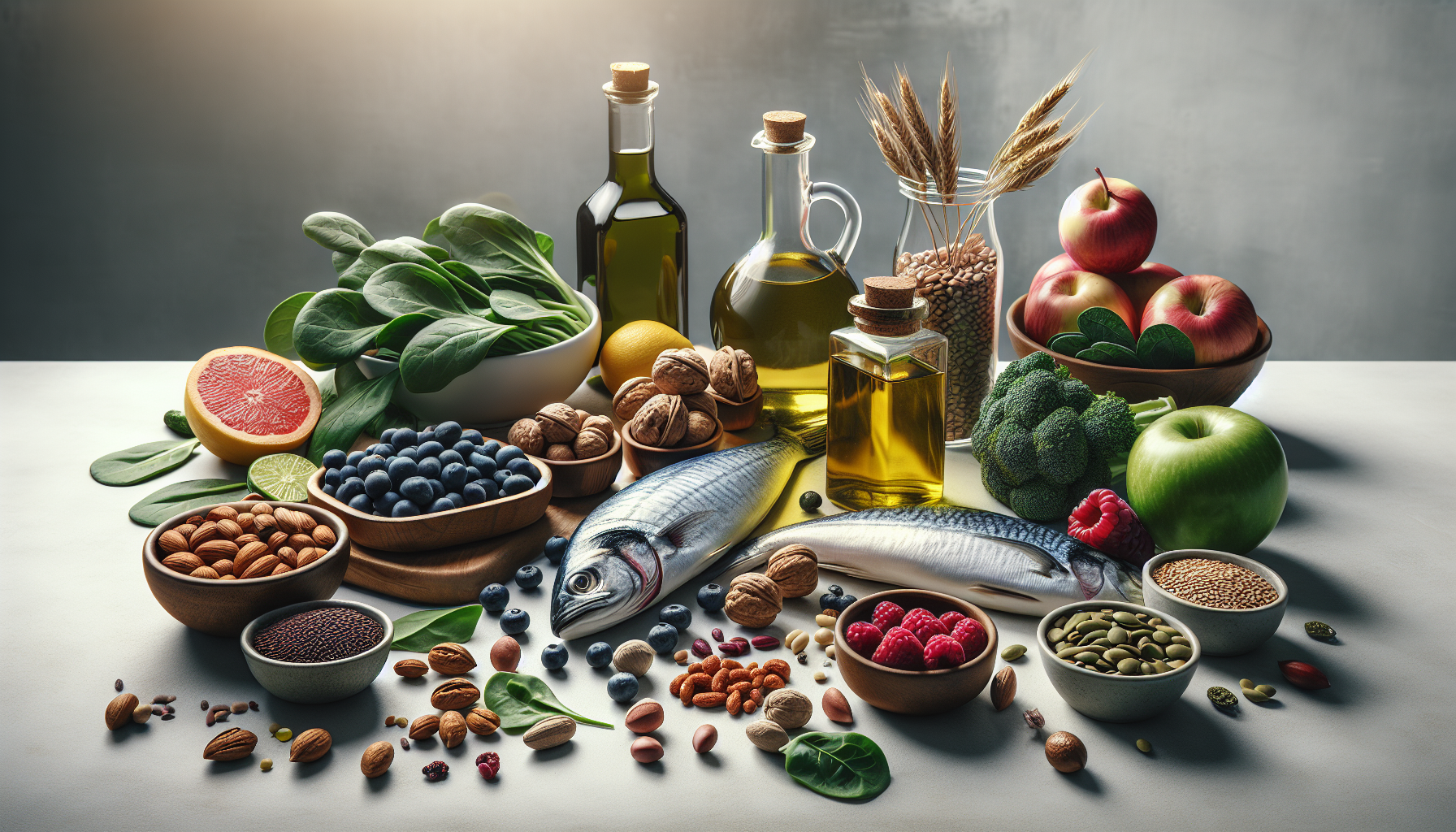
Foods rich in omega-3 fatty acids, such as salmon, walnuts, and flaxseeds, may support joint health by reducing inflammation. Additionally, colorful fruits and vegetables like berries and leafy greens provide antioxidants, which may protect against joint damage.
How Nutrition May Influence Inflammation and Stiffness
Inflammation is a natural response but can lead to stiffness and discomfort when chronic. Diets high in anti-inflammatory foods like turmeric, ginger, and olive oil may help manage inflammation levels, promoting joint comfort and flexibility.
Everyday Habits That Support Muscle and Joint Health
Beyond diet, regular exercise is critical for maintaining muscle and joint health. Weight-bearing activities strengthen muscles and bones, while stretching exercises enhance flexibility. Staying hydrated and getting adequate rest are also vital components of a holistic approach to wellness.
Common Myths About Muscle and Joint Support
One common misconception is that only athletes need to worry about muscle and joint health. In reality, everyone can benefit from supporting these systems. Another myth is that joint issues are inevitable with age; however, a proactive approach can significantly impact your long-term joint health.
Who Should Be Careful With Muscle and Joint Nutrition
While most individuals can benefit from a diet rich in nutrients supporting muscle and joint health, those with allergies or specific health conditions should be cautious. It's important to consider potential interactions with medications and consult with a healthcare professional if needed.
In summary, nourishing your body with the right foods can lay a strong foundation for muscle and joint health, enhancing your ability to move comfortably and freely. A balanced diet, paired with regular physical activity and mindful habits, can support your wellness journey for years to come.
This article is for informational purposes only and does not constitute medical advice. Individual responses may vary; consult a qualified professional for personalized guidance.
Myths vs Facts
Only athletes need to worry about muscle and joint health.
Everyone can benefit from supporting muscle and joint health, regardless of activity level.
Joint problems are unavoidable as you age.
A proactive approach with diet and exercise can help maintain joint health.
Diet has no impact on joint stiffness.
Diet can significantly influence inflammation and joint comfort.
References
- Harvard Health Publishing - Omega-3 for Heart and Joint Health
- National Institutes of Health - Protein and Muscle Health
- World Health Organization - Diet, Nutrition, and the Prevention of Chronic Diseases
Frequently Asked Questions
What are the best foods for muscle recovery?
How can diet reduce joint inflammation?
Are there specific foods that improve joint flexibility?
What role does hydration play in joint health?
Can everyone benefit from a diet supporting muscle and joint health?
Disclaimer: The information on this site is for educational and informational purposes only. It is not intended as medical advice. Always consult a qualified healthcare professional before making changes to your diet, exercise, or health routine. Results may vary.
Last updated: February 27, 2026.