Muscle and Joint Support Explained: Nutrition for Strength and Movement

Quick Take
- ✓ Nutrition plays a crucial role in supporting muscle and joint health.
- ✓ Foods rich in protein, omega-3 fatty acids, and antioxidants are beneficial.
- ✓ Balanced diet and lifestyle habits can enhance overall movement and flexibility.
Muscle and Joint Support Explained: Nutrition for Strength and Movement
Muscle and joint health are fundamental to maintaining the strength and fluidity needed for daily activities. Whether you're an athlete or someone who simply wants to enjoy life without physical limitations, supporting your muscles and joints is crucial. A diet rich in certain nutrients may contribute significantly to this support.
The connection between nutrition and musculoskeletal health is profound. By focusing on foods that nourish muscles and joints, one can potentially improve recovery times, enhance flexibility, and maintain strength.
Why Muscle and Joint Health Matter More Over Time
As we age, our bodies naturally undergo changes that can impact muscle and joint health. These changes can lead to decreased strength and increased stiffness, affecting overall mobility and quality of life. Prioritizing muscle and joint health becomes increasingly important to maintain an active and independent lifestyle.
Research suggests that maintaining muscle mass and joint flexibility can help prevent injuries and support longevity. A balanced diet rich in essential nutrients is a key factor in preserving musculoskeletal health over time.
The Connection Between Muscles, Joints, and Daily Movement
Muscles and joints work in tandem to facilitate movement. Muscles provide the power needed for motion, while joints offer the flexibility and range of motion required for various activities. This intricate relationship underscores the importance of maintaining both muscle strength and joint health.
Daily activities such as walking, lifting, and even sitting rely on the coordinated function of muscles and joints. Supporting these structures through proper nutrition can enhance overall movement efficiency and reduce the risk of discomfort or injury.
Nutrients Commonly Linked to Muscle and Joint Support
Several nutrients have been associated with supporting muscle and joint health. Protein is essential for muscle repair and growth, while omega-3 fatty acids have anti-inflammatory properties that may benefit joints. Calcium and vitamin D are crucial for bone health, which indirectly supports joint integrity.
Antioxidants such as vitamins C and E may protect muscles and joints from oxidative stress, while magnesium plays a role in muscle function and relaxation. Including these nutrients in your diet may contribute to overall musculoskeletal wellbeing.
Foods That Support Muscle Strength and Recovery
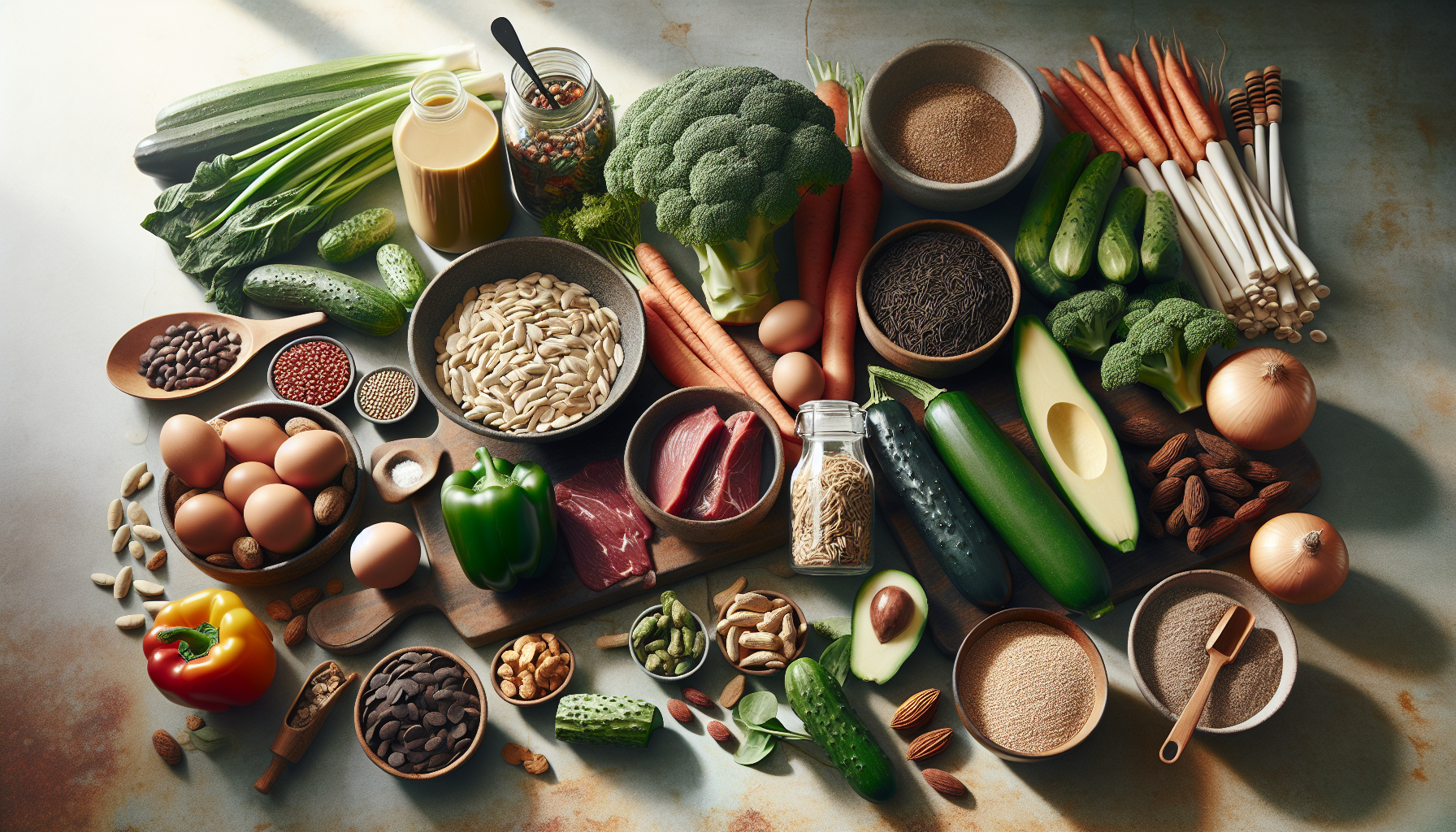
Incorporating foods rich in protein, such as lean meats, fish, eggs, and legumes, can support muscle strength and recovery. These foods provide essential amino acids necessary for muscle repair and growth.
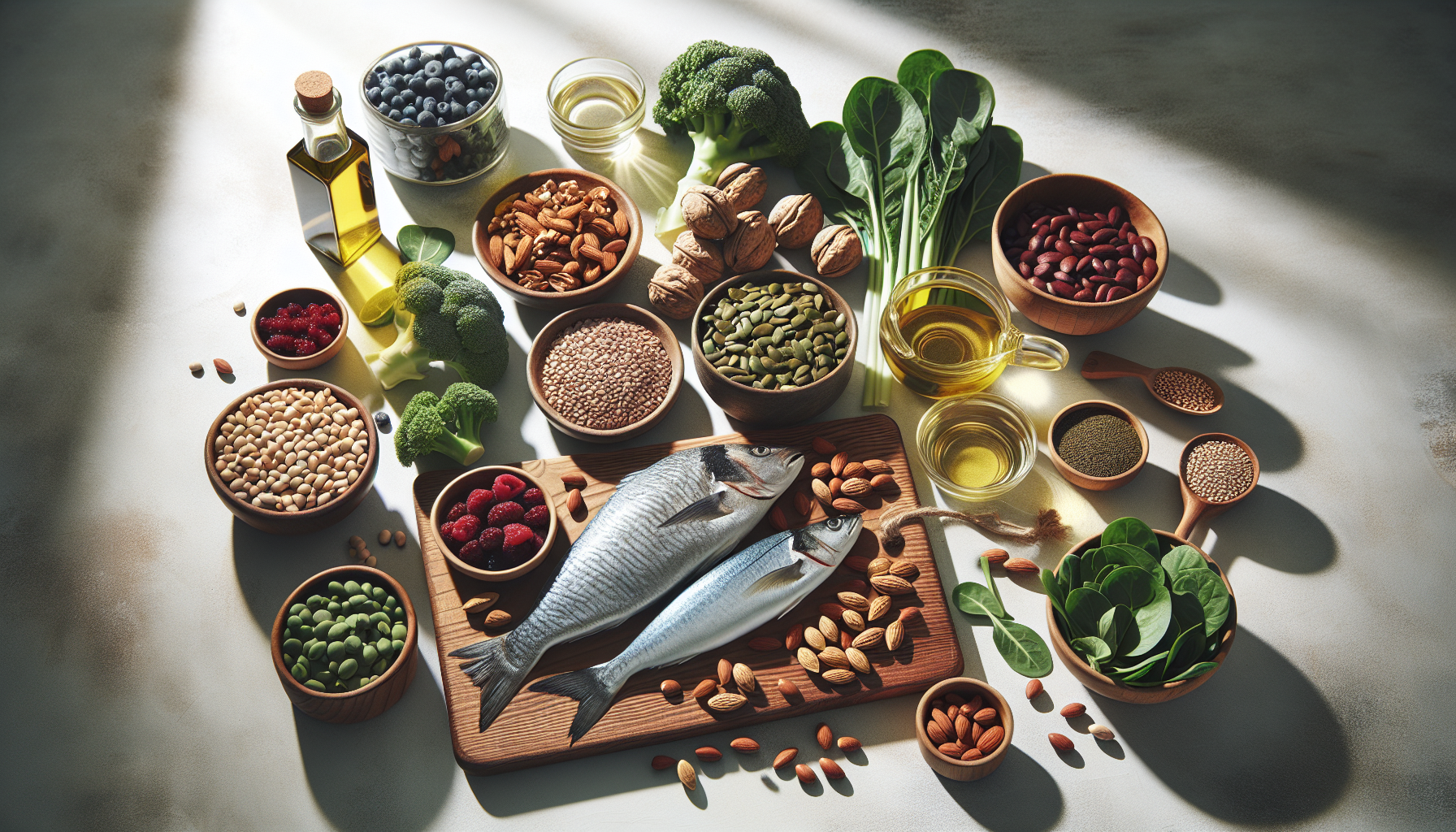
Additionally, consuming foods high in antioxidants, like berries and leafy greens, may aid in muscle recovery by reducing oxidative damage. Whole grains and nuts are also beneficial, providing carbohydrates and healthy fats that fuel muscle activity.
Joint-Supporting Foods for Mobility and Flexibility
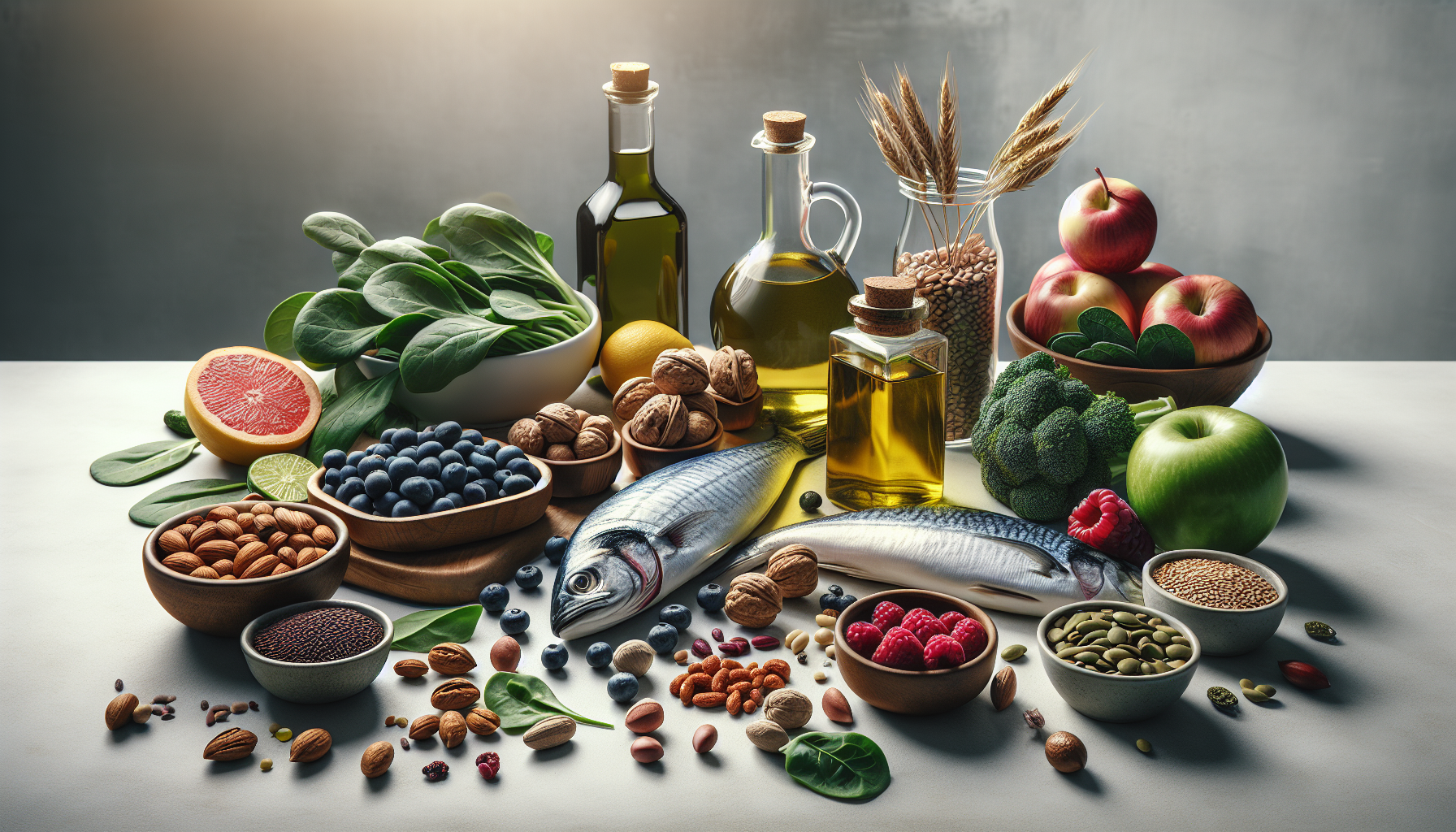
Joint health can potentially be enhanced by consuming foods rich in omega-3 fatty acids, such as fatty fish, flaxseeds, and walnuts. These foods may reduce joint inflammation and support cartilage health.
Collagen-rich foods like bone broth, as well as foods high in vitamin C, such as citrus fruits and bell peppers, can support collagen production, which is vital for joint integrity. Including these foods in your diet may promote joint flexibility and comfort.
How Nutrition May Influence Inflammation and Stiffness
Chronic inflammation and stiffness can impact joint and muscle function. Certain foods, such as those high in saturated fats and sugars, may exacerbate inflammation, while others, like those rich in antioxidants and omega-3 fatty acids, may help reduce it.
Adopting a diet that emphasizes whole foods, healthy fats, and lean proteins may support the body's natural inflammatory response, potentially reducing discomfort and improving overall musculoskeletal health.
Everyday Habits That Support Muscle and Joint Health
Beyond nutrition, several daily habits can support muscle and joint health. Regular physical activity, including strength training and flexibility exercises, can enhance muscle function and joint range of motion.
Staying hydrated and getting adequate rest are also vital. Proper hydration supports joint lubrication, while sufficient sleep allows for muscle recovery and repair. Together, these habits create a foundation for musculoskeletal wellness.
Common Myths About Muscle and Joint Support
There are several misconceptions about muscle and joint health, such as the belief that only athletes need to worry about it. In reality, everyone can benefit from maintaining these aspects of health, regardless of activity level.
Another myth is that supplements alone can solve muscle and joint issues. While supplements can be beneficial, they work best when combined with a balanced diet and healthy lifestyle.
Who Should Be Careful With Muscle and Joint Nutrition
While most people can benefit from a diet that supports muscle and joint health, certain populations should exercise caution. Individuals with food allergies or sensitivities should avoid trigger foods.
Those on medications should be aware of potential interactions with certain supplements and foods. It's always best to consult a healthcare provider for personalized guidance.
In conclusion, a balanced diet rich in essential nutrients, combined with healthy lifestyle choices, may support muscle strength and joint mobility. By integrating these practices into daily life, one can potentially enhance overall movement and wellbeing.
This article is for informational purposes only and does not constitute medical advice. Individual responses may vary; consult a qualified professional for personalized guidance.
Myths vs Facts
Only athletes need to focus on muscle and joint health.
Everyone benefits from maintaining muscle and joint health for daily activities.
Supplements alone can prevent muscle and joint problems.
Supplements are most effective when combined with a balanced diet.
All joint pain is due to aging.
Joint pain can result from various factors, not just aging, including diet and lifestyle.
References
- National Institutes of Health - Nutrition and Joint Health
- World Health Organization - Diet and Physical Activity
- Harvard Health Publishing - Foods That Fight Inflammation
Frequently Asked Questions
What are the best foods for muscle recovery?
How can I support joint health naturally?
Do anti-inflammatory foods help with joint stiffness?
Are supplements necessary for muscle and joint health?
Who should be cautious about muscle and joint nutrition?
Disclaimer: The information on this site is for educational and informational purposes only. It is not intended as medical advice. Always consult a qualified healthcare professional before making changes to your diet, exercise, or health routine. Results may vary.
Last updated: February 28, 2026.