What to Eat for Healthy Muscles and Flexible Joints
Quick Take
- ✓ A balanced diet rich in proteins and healthy fats may support muscle strength and joint flexibility.
- ✓ Omega-3 fatty acids and antioxidants are key nutrients linked to reduced inflammation and improved joint health.
- ✓ Regular physical activity complements nutritional efforts by maintaining muscle mass and joint function.
What to Eat for Healthy Muscles and Flexible Joints
Muscle and joint health is crucial for maintaining an active and fulfilling lifestyle. Whether you're aiming to enhance your athletic performance or simply enjoy everyday activities without discomfort, what you eat can play a significant role. Incorporating the right nutrients may support muscle strength and joint flexibility, contributing to overall well-being and mobility.
In this comprehensive guide, we'll explore the connection between diet and musculoskeletal health, and highlight foods that may be beneficial. By understanding the impact of nutrition, you can make informed choices that support your body's needs.
Why Muscle and Joint Health Matter More Over Time
As we age, maintaining muscle and joint health becomes increasingly important. The natural aging process can lead to a loss of muscle mass and joint flexibility, affecting strength and mobility. This can impact daily activities, from simple tasks like climbing stairs to more demanding physical exercises.
Nutrition plays a vital role in supporting muscle and joint health as we age. By focusing on foods rich in essential nutrients, you can help preserve muscle mass, support joint function, and maintain an active lifestyle for longer.
The Connection Between Muscles, Joints, and Daily Movement
Muscles and joints work together to facilitate movement and provide stability. Strong muscles support joints by absorbing impact and reducing the risk of injury. Conversely, healthy joints enable smooth and pain-free movement, allowing muscles to function efficiently.
A balanced diet that includes muscle-supporting proteins and joint-friendly nutrients can help maintain this synergy. By fueling your body with the right foods, you can enhance both muscle strength and joint flexibility, supporting overall movement and comfort.
Nutrients Commonly Linked to Muscle and Joint Support
Several nutrients are associated with muscle and joint health. Protein, for instance, is essential for muscle repair and growth. Omega-3 fatty acids may support joint health by promoting anti-inflammatory processes. Calcium and vitamin D are crucial for bone health, indirectly supporting joints.
Additionally, antioxidants such as vitamin C and E are known for their role in protecting cells from oxidative stress, which can impact muscle recovery and joint health. Including these nutrients in your diet may help support your musculoskeletal system.
Foods That Support Muscle Strength and Recovery
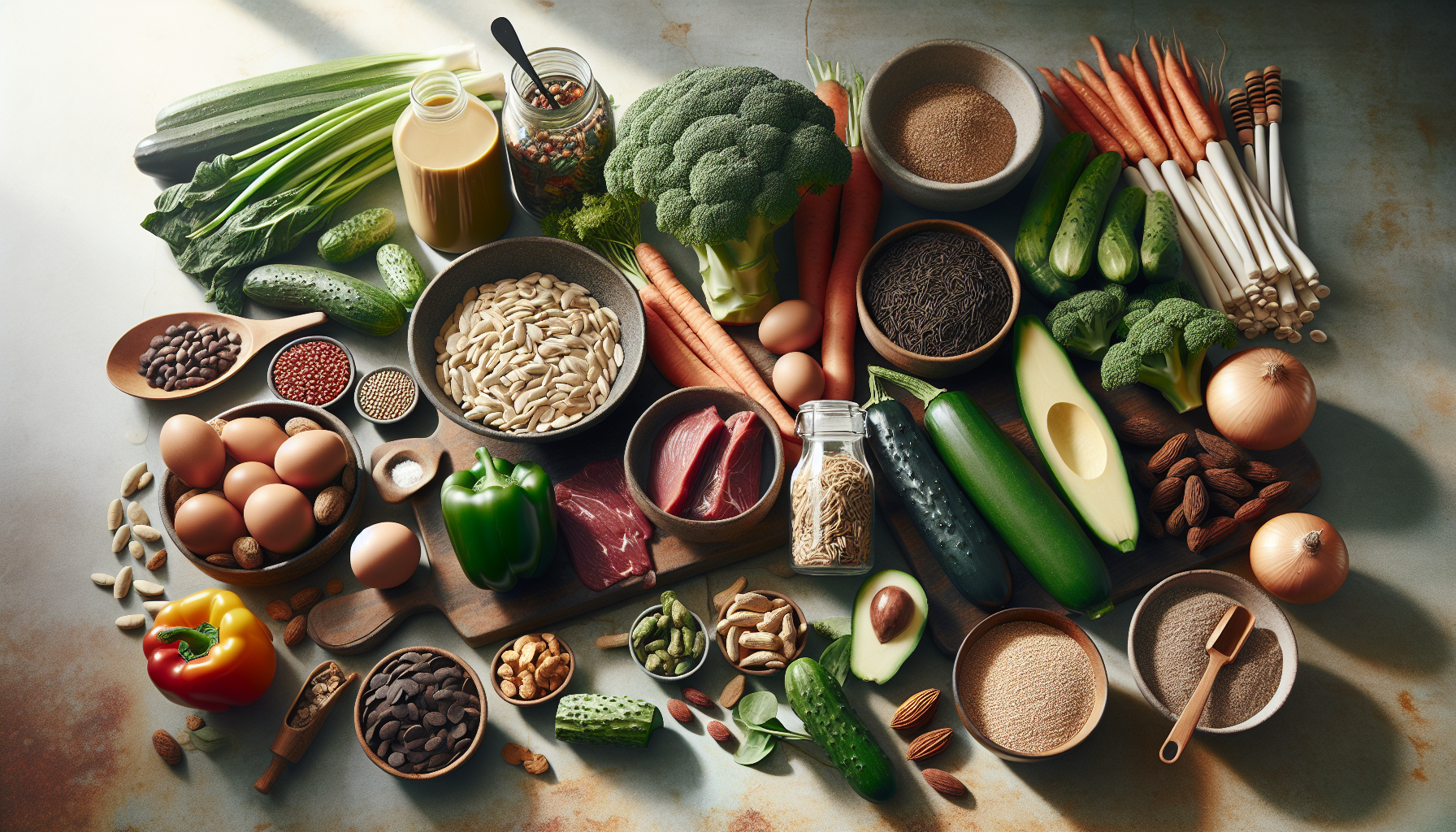
For muscle strength and recovery, focus on protein-rich foods such as lean meats, fish, eggs, and plant-based alternatives like beans and lentils. These foods provide the building blocks for muscle repair and growth.
Incorporating complex carbohydrates, like whole grains, can also be beneficial. They provide a steady source of energy, supporting prolonged physical activity and recovery. Don't forget to hydrate, as adequate water intake is crucial for muscle function.
Joint-Supporting Foods for Mobility and Flexibility
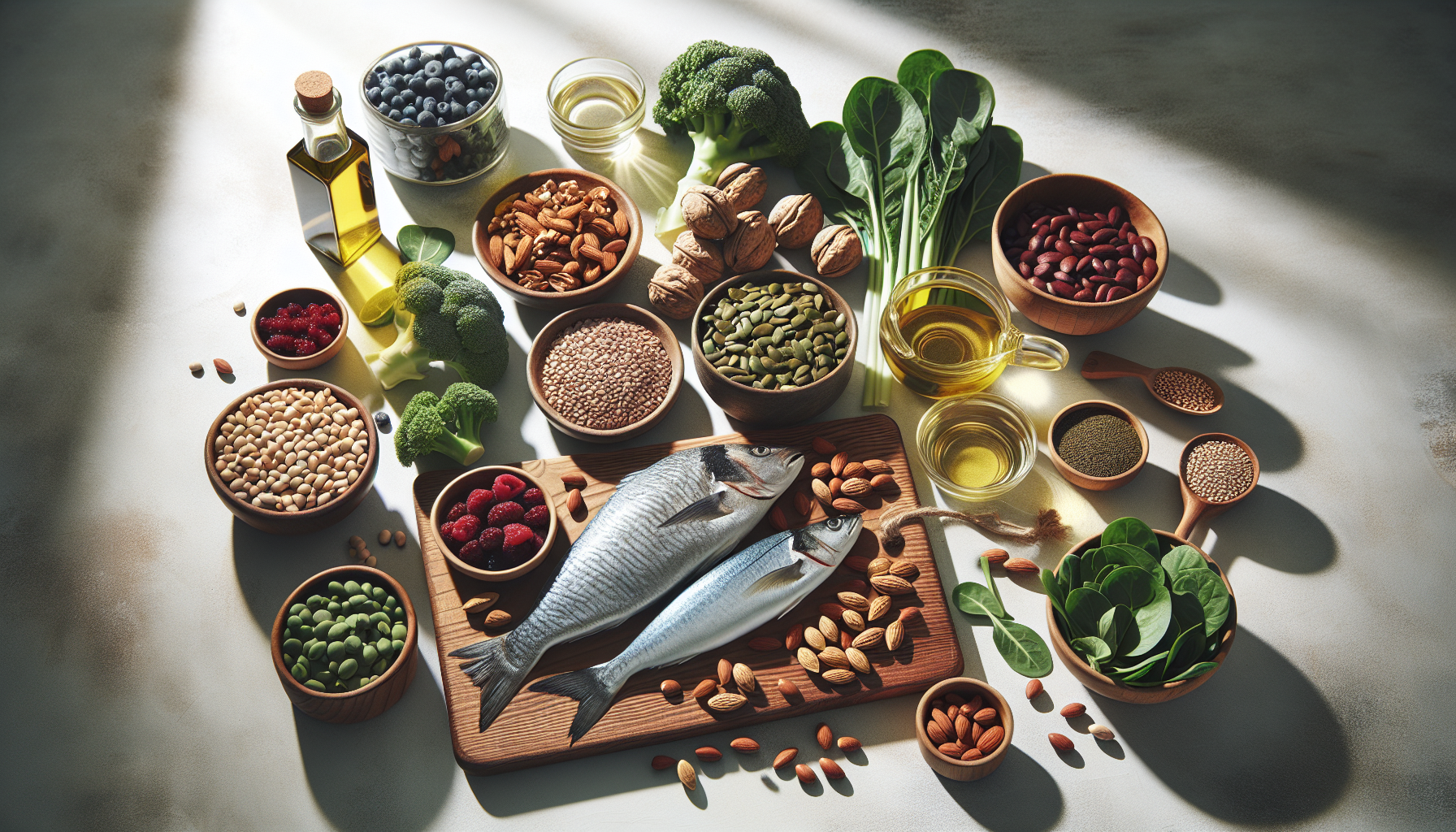
To support joint health, consider adding fatty fish like salmon and mackerel to your diet. These are rich in omega-3 fatty acids, which may help reduce inflammation and improve joint function.
Fruits and vegetables, particularly those high in antioxidants, can also support joint health. Berries, oranges, and leafy greens like spinach and kale are excellent choices. These foods may help reduce oxidative stress and support joint flexibility.
How Nutrition May Influence Inflammation and Stiffness
Inflammation and stiffness can significantly impact joint comfort and mobility. A diet rich in anti-inflammatory foods, such as nuts, seeds, and olive oil, may help mitigate these effects. These foods are known for their healthy fats, which support joint health.
Additionally, reducing processed foods and sugars may be beneficial. They are often linked to increased inflammation, which can exacerbate joint discomfort. By focusing on whole, nutrient-dense foods, you can support a balanced inflammatory response.
Everyday Habits That Support Muscle and Joint Health
Beyond diet, certain habits can further support your muscle and joint health. Regular physical activity, including strength training and flexibility exercises, can help maintain muscle mass and joint function.
Ensuring adequate rest and sleep is also important for recovery and overall health. Stress management techniques, such as yoga or meditation, may contribute to a balanced lifestyle, supporting both mental and physical well-being.
Common Myths About Muscle and Joint Support
There are several myths surrounding muscle and joint health. One common misconception is that only athletes need to focus on these areas. In reality, everyone can benefit from supporting their muscles and joints, regardless of activity level.
Another myth is that supplements are always necessary. While they can be beneficial in some cases, a balanced diet often provides the necessary nutrients for most people. Consulting with a healthcare professional can help determine individual needs.
Who Should Be Careful With Muscle and Joint Nutrition
Individuals with allergies or food sensitivities should be cautious about certain foods that may trigger reactions. Additionally, those on medications should consider potential interactions with specific nutrients or supplements.
It's important to approach dietary changes mindfully and consult with a healthcare provider if you have underlying health conditions. Personalized guidance can help ensure that nutritional choices align with your individual health needs.
In conclusion, supporting muscle and joint health through balanced nutrition and lifestyle habits can contribute to strength, flexibility, and overall well-being. By focusing on nutrient-rich foods and maintaining an active lifestyle, you can help your body function optimally for years to come.
This article is for informational purposes only and does not constitute medical advice. Individual responses may vary; consult a qualified professional for personalized guidance.
Myths vs Facts
Only athletes need to focus on muscle and joint health.
Everyone benefits from supporting their muscles and joints, regardless of activity level.
Supplements are always necessary for muscle and joint health.
A balanced diet often provides necessary nutrients; consult a healthcare professional for advice.
Muscle and joint health doesn't impact daily activities.
Strong muscles and healthy joints are crucial for mobility and performing everyday tasks comfortably.
References
- Journal of the American College of Nutrition - Omega-3 Fatty Acids and Inflammation
- Harvard Health Publishing - The Truth About Fats: Bad and Good
- National Institutes of Health - Dietary Proteins in Muscle Recovery and Growth
Frequently Asked Questions
What foods are best for muscle recovery?
How can diet impact joint health?
Are supplements necessary for muscle and joint health?
Can exercise support muscle and joint health?
What should be considered when changing diet for joint health?
Disclaimer: The information on this site is for educational and informational purposes only. It is not intended as medical advice. Always consult a qualified healthcare professional before making changes to your diet, exercise, or health routine. Results may vary.
Last updated: February 27, 2026.