Muscle & Joint Support: What Keeps the Body Moving Comfortably
Quick Take
- ✓ Balanced nutrition supports muscle and joint health.
- ✓ Regular exercise enhances flexibility and strength.
- ✓ Anti-inflammatory foods may reduce joint discomfort.
Muscle & Joint Support: What Keeps the Body Moving Comfortably
Maintaining muscle and joint health is crucial for our ability to move comfortably throughout our lives. Whether you're an athlete or simply navigating daily activities, your muscles and joints play a vital role in your overall quality of life. Muscle and joint support involves a combination of nutrition, exercise, and lifestyle habits that may enhance strength, flexibility, and recovery.
Understanding how to support these essential components of the body may help you continue to enjoy movement, reduce discomfort, and maintain independence as you age. Let's delve into what keeps our bodies moving comfortably, focusing on muscle and joint health.
Why Muscle and Joint Health Matter More Over Time
As we age, maintaining muscle and joint health becomes increasingly important. Our muscles naturally lose mass and strength, a process known as sarcopenia, while joints may experience wear and tear, leading to conditions like osteoarthritis.
Supporting muscle and joint health can help mitigate these age-related changes. By prioritizing this aspect of wellness, you may maintain mobility, reduce the risk of injury, and support overall well-being.
The Connection Between Muscles, Joints, and Daily Movement
Your muscles and joints work together to facilitate movement. Muscles provide the force necessary for movement, while joints act as pivot points, allowing for flexibility and a range of motion.
When muscles and joints function well together, your body can move more efficiently and with greater ease. This synergy is essential for everything from walking and running to performing everyday tasks like reaching and bending.
Nutrients Commonly Linked to Muscle and Joint Support
Certain nutrients are associated with supporting muscle and joint health. Protein is crucial for muscle repair and growth, while omega-3 fatty acids may support joint lubrication and reduce inflammation.
Other important nutrients include vitamin D for bone health, calcium for joint and bone strength, and antioxidants like vitamin C and E, which help protect tissues from oxidative stress.
Foods That Support Muscle Strength and Recovery
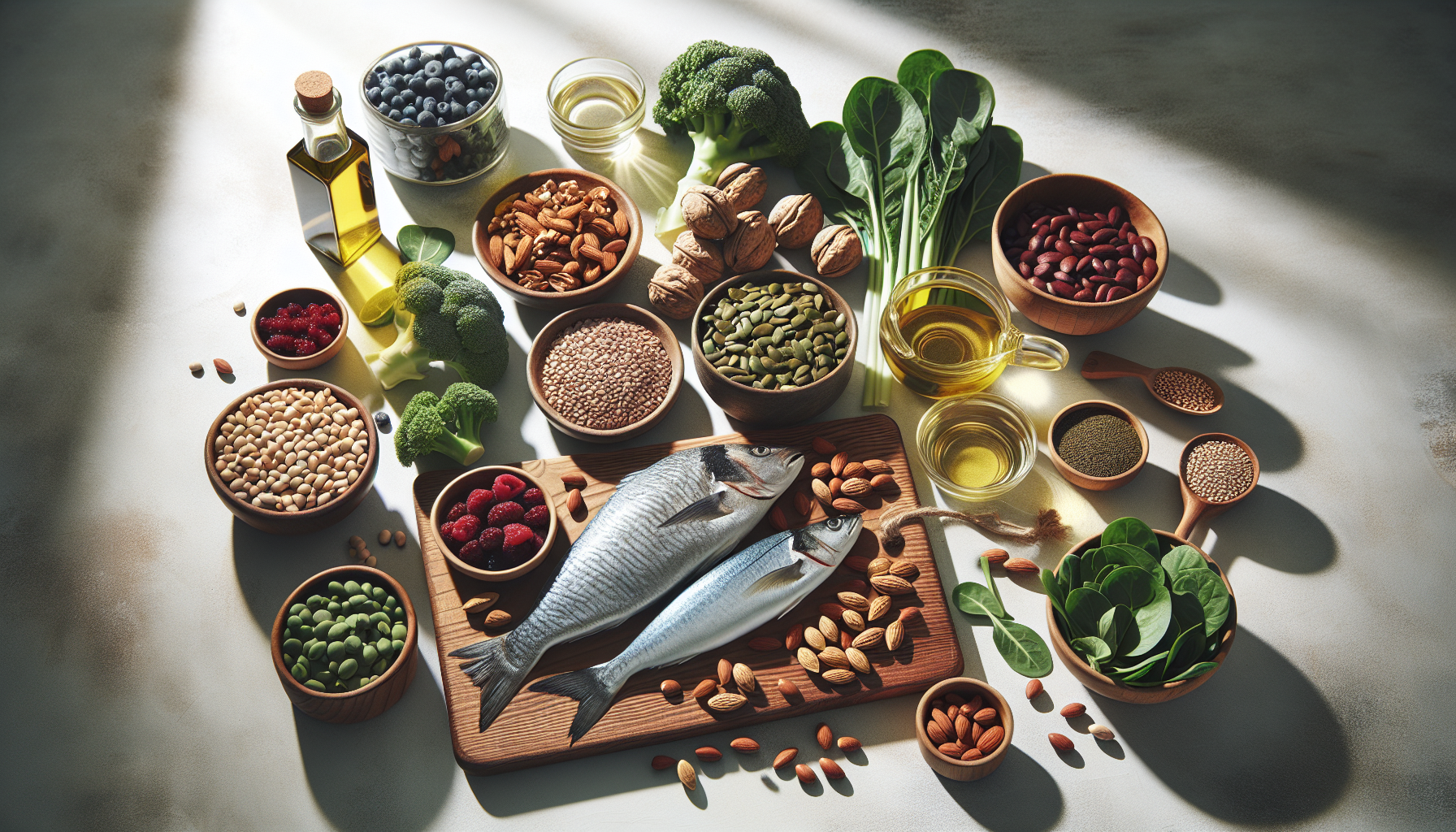
To support muscle strength and recovery, it is beneficial to include protein-rich foods in your diet. Lean meats, fish, eggs, and plant-based sources like beans and lentils are excellent choices.
Additionally, consuming complex carbohydrates such as whole grains can provide the energy needed for muscle activity, while foods rich in antioxidants, like berries and leafy greens, may aid in recovery.
Joint-Supporting Foods for Mobility and Flexibility
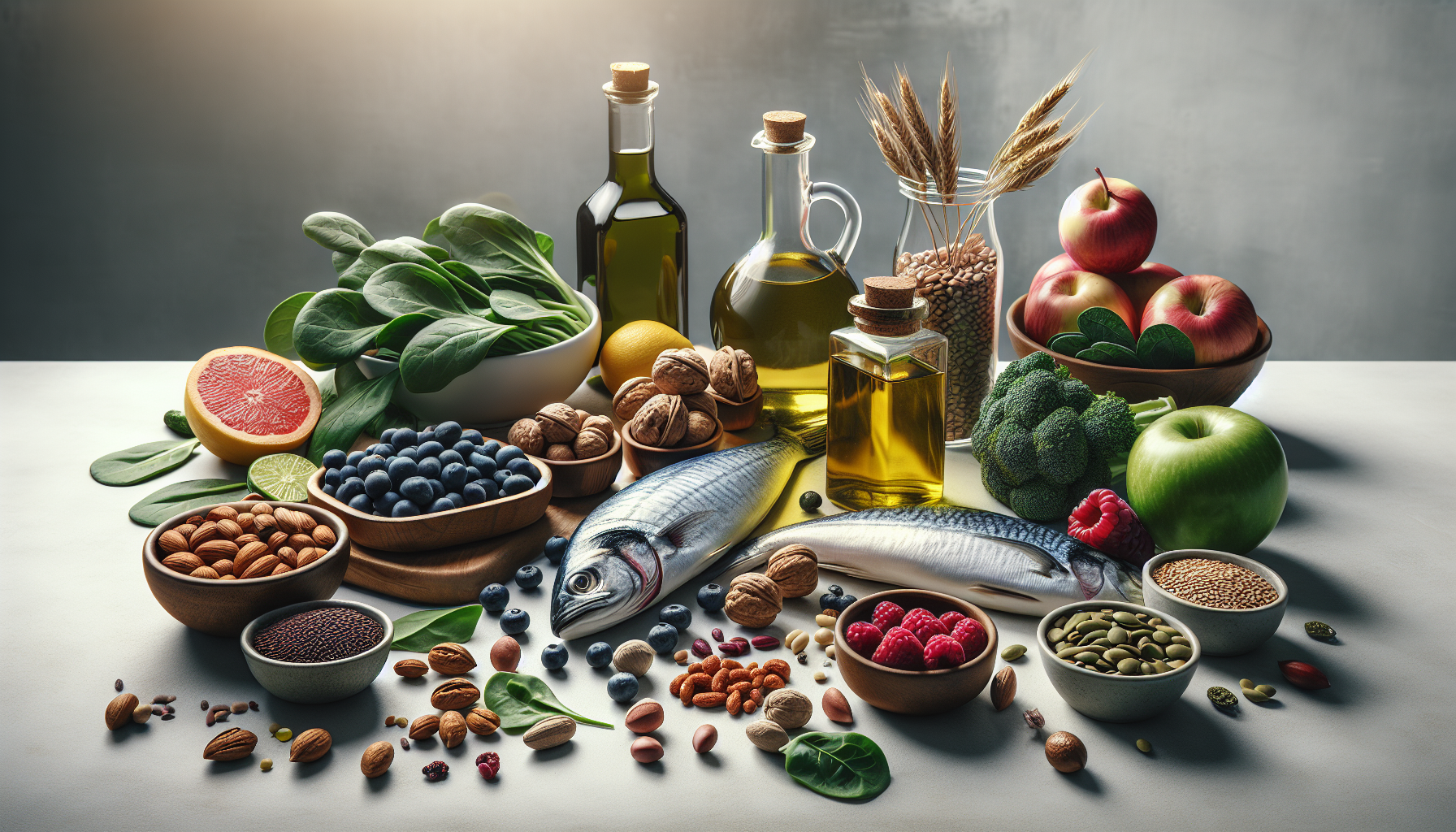
Joint health may benefit from foods rich in omega-3 fatty acids, such as fatty fish, walnuts, and flaxseeds. These foods help maintain joint lubrication and may reduce inflammation.
Including a variety of fruits and vegetables can further support joint health by providing essential vitamins and minerals. Foods high in vitamin C, like oranges and strawberries, are particularly beneficial.
How Nutrition May Influence Inflammation and Stiffness
Inflammation and stiffness in muscles and joints can be influenced by diet. Anti-inflammatory foods like turmeric, ginger, and green tea are known for their potential to reduce inflammation.
Reducing the intake of processed foods and those high in sugar and saturated fats may also help manage inflammation, contributing to greater comfort and flexibility.
Everyday Habits That Support Muscle and Joint Health
Beyond nutrition, certain lifestyle habits can support muscle and joint health. Regular exercise, including strength training and flexibility exercises, is crucial for maintaining muscle mass and joint function.
Staying hydrated, getting adequate sleep, and managing stress are additional habits that may contribute to overall muscle and joint well-being.
Common Myths About Muscle and Joint Support
There are several myths surrounding muscle and joint support. One common misconception is that only athletes need to worry about joint health. In reality, everyone can benefit from supporting their muscles and joints.
Another myth is that supplements can replace a healthy diet. While some supplements may be beneficial, they should not be relied upon as the sole source of essential nutrients.
Who Should Be Careful With Muscle and Joint Nutrition
While many foods support muscle and joint health, certain individuals should be cautious. Those with allergies or food sensitivities should avoid trigger foods, and individuals on certain medications should be aware of potential interactions.
Consulting with a healthcare provider for personalized recommendations is advised, especially for those with chronic conditions or specific dietary needs.
In conclusion, supporting muscle and joint health involves a balanced approach to nutrition and lifestyle. By incorporating nutrient-rich foods, staying active, and practicing healthy habits, you may enhance strength, mobility, and comfort. Remember, individual needs vary, and consulting with a professional can provide tailored guidance for maintaining muscle and joint health.
This article is for informational purposes only and does not constitute medical advice. Individual responses may vary; consult a qualified professional for personalized guidance.
Myths vs Facts
Only athletes need to focus on joint health.
Everyone can benefit from joint support to maintain mobility and comfort.
Supplements can replace a healthy diet.
While supplements can be beneficial, they cannot replace the comprehensive nutrition provided by a balanced diet.
All joint pain is inevitable with age.
While some joint changes are natural, lifestyle and diet can significantly impact joint health and comfort.
References
- National Institute on Aging - Aging and Your Muscles
- Harvard Health Publishing - Foods that fight inflammation
- American Heart Association - Fish and Omega-3 Fatty Acids
Frequently Asked Questions
What are the best foods for muscle recovery?
How can I reduce joint stiffness naturally?
Is it possible to prevent age-related muscle loss?
Can supplements replace a healthy diet for joint support?
Are there any foods I should avoid for joint health?
Disclaimer: The information on this site is for educational and informational purposes only. It is not intended as medical advice. Always consult a qualified healthcare professional before making changes to your diet, exercise, or health routine. Results may vary.
Last updated: March 4, 2026.