Muscle & Joint Support: Foods That Help You Stay Mobile
Quick Take
- ✓ Incorporating omega-3 rich foods can support joint health.
- ✓ Protein is essential for muscle repair and strength.
- ✓ A balance of nutrients and exercise aids in overall mobility.
Muscle & Joint Support: Foods That Help You Stay Mobile
Maintaining muscle and joint health is essential for daily movement and overall quality of life. Whether you're an active athlete or simply looking to stay mobile as you age, the foods you choose can play a significant role in supporting muscle and joint health. By incorporating the right nutrients into your diet, you may enhance your strength, flexibility, and comfort.
Muscle and joint health are crucial for everyone, not just athletes or those with physically demanding lifestyles. Our muscles and joints work together to facilitate movement, support our bodies, and protect our bones. Ensuring they receive the right nutrients can help maintain their functionality and reduce the risk of discomfort or injury.
Why Muscle and Joint Health Matter More Over Time
As we age, maintaining muscle and joint health becomes increasingly important. This is because our bodies naturally experience changes such as muscle mass reduction and joint wear and tear. These changes can impact mobility, strength, and flexibility, making it crucial to focus on supportive practices, including nutrition.
Ensuring that your diet is rich in nutrients that support muscle and joint health can contribute to sustained mobility and a higher quality of life. Foods rich in vitamins, minerals, and healthy fats can provide the necessary building blocks for muscle repair and joint lubrication.
The Connection Between Muscles, Joints, and Daily Movement
Muscles and joints are intricately connected in facilitating movement. Muscles provide the force needed to move joints, while joints allow for the flexibility and range of motion required for various activities. Proper nutrition can help support this interaction, potentially leading to better performance and reduced risk of injury.
Nutrients like protein are vital for muscle repair and growth, while omega-3 fatty acids can support joint health by reducing inflammation. Incorporating these into your diet may enhance your ability to move comfortably and efficiently.
Nutrients Commonly Linked to Muscle and Joint Support
Several nutrients have been closely linked to muscle and joint health. Protein is essential for muscle repair and growth, while calcium and vitamin D are crucial for bone health. Omega-3 fatty acids, found in fish and flaxseeds, are known for their anti-inflammatory properties, which may benefit joint health.
Other important nutrients include vitamin C, necessary for collagen formation, and magnesium, which plays a role in muscle function and bone health. Ensuring a balanced intake of these nutrients can contribute to overall muscle and joint support.
Foods That Support Muscle Strength and Recovery
To support muscle strength and recovery, consider incorporating lean proteins such as chicken, fish, and legumes into your meals. These sources provide essential amino acids necessary for muscle repair and growth.
Additionally, foods rich in antioxidants, such as berries and leafy greens, can help combat oxidative stress and support recovery after physical activity. Including a variety of colorful fruits and vegetables in your diet can contribute to improved muscle function and recovery.
Joint-Supporting Foods for Mobility and Flexibility
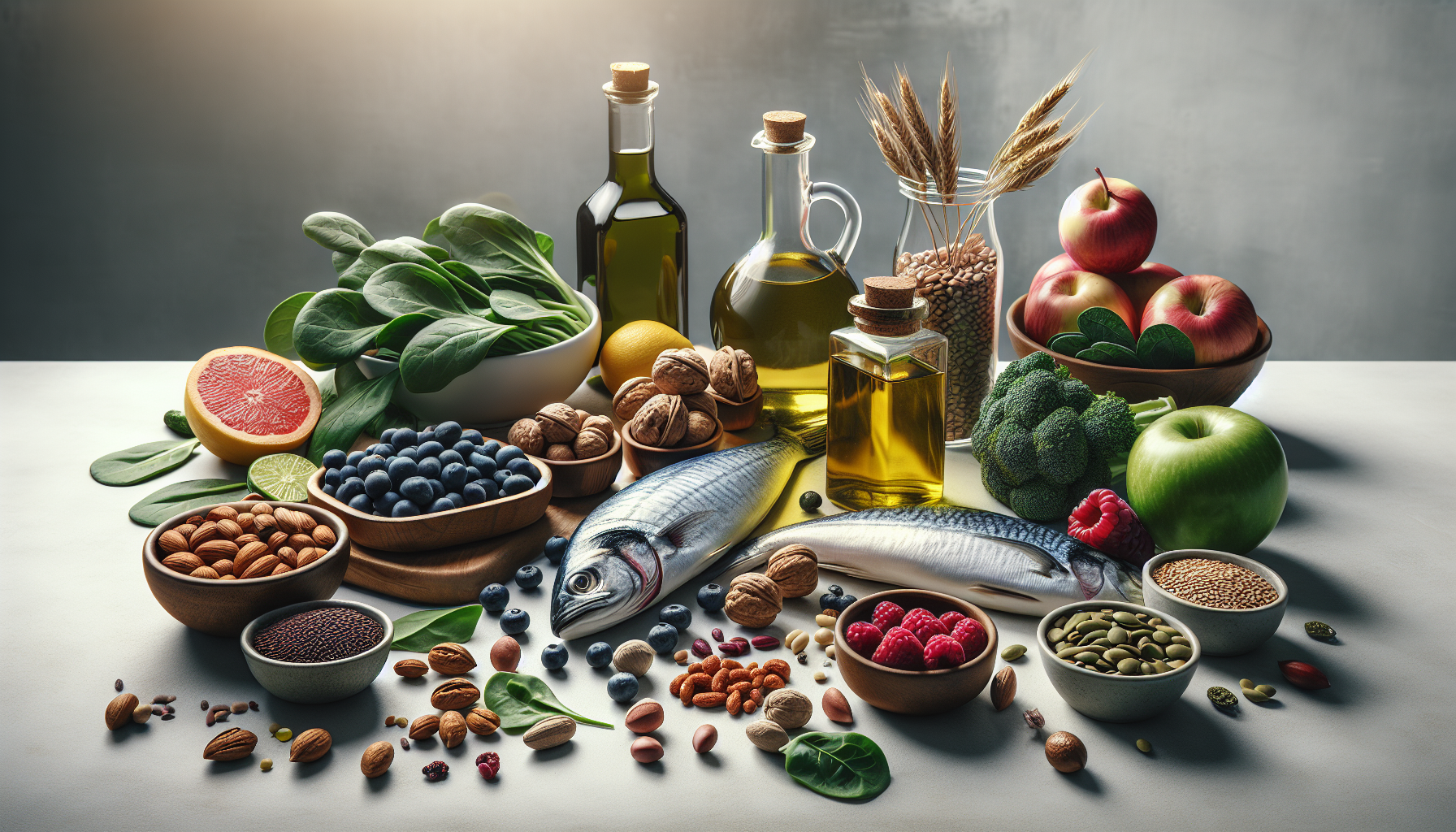
Joint health can be supported by consuming foods rich in omega-3 fatty acids, such as salmon, walnuts, and chia seeds. These foods may help reduce inflammation and support joint lubrication, promoting flexibility and comfort.
Incorporating spices like turmeric and ginger, known for their anti-inflammatory properties, can also be beneficial for joint health. These ingredients can be easily added to meals to enhance flavor and provide potential joint support.
How Nutrition May Influence Inflammation and Stiffness
Inflammation and stiffness in muscles and joints can be influenced by diet. Consuming a diet high in anti-inflammatory foods, such as fruits, vegetables, and whole grains, may help reduce the risk of inflammation-related discomfort.
Limiting processed foods and sugars, which can promote inflammation, is also important. By focusing on whole, nutrient-dense foods, you may support overall muscle and joint health more effectively.
Everyday Habits That Support Muscle and Joint Health
Beyond diet, several everyday habits can support muscle and joint health. Regular physical activity, such as strength training and flexibility exercises, can help maintain muscle mass and joint function.
Staying hydrated and ensuring adequate rest and recovery are also crucial for muscle and joint health. These habits, combined with a balanced diet, can contribute to overall well-being and mobility.
Common Myths About Muscle and Joint Support
There are many myths surrounding muscle and joint support. One common misconception is that only older individuals need to focus on joint health, but it's important for all ages to maintain muscle and joint care.
Another myth is that supplements alone can solve joint issues. While supplements can be beneficial, they should not replace a balanced diet and lifestyle. Understanding the role of nutrition and exercise is key to comprehensive support.
Who Should Be Careful With Muscle and Joint Nutrition
While focusing on muscle and joint nutrition can be beneficial, certain individuals should be cautious. Those with food allergies or sensitivities should avoid foods that trigger reactions.
Additionally, individuals on medication should consult with healthcare professionals to ensure there are no adverse interactions with specific nutrients. Personalized advice can help tailor an approach that supports muscle and joint health safely.
In conclusion, maintaining muscle and joint health is a multifaceted approach that includes balanced nutrition, regular exercise, and mindful lifestyle choices. By incorporating the right foods and habits, you can support your body's strength and flexibility, helping you stay active and mobile.
This article is for informational purposes only and does not constitute medical advice. Individual responses may vary; consult a qualified professional for personalized guidance.
Myths vs Facts
Only older adults need to worry about joint health.
Joint health is important for all ages to maintain mobility and prevent injuries.
Supplements alone can fix joint issues.
Supplements should complement a balanced diet and healthy lifestyle, not replace them.
All proteins are equally good for muscle recovery.
Lean proteins, such as chicken and fish, provide essential amino acids for effective muscle recovery.
References
- Harvard Health Publishing - Foods That Fight Inflammation
- National Institutes of Health - Dietary Supplements for Exercise and Athletic Performance
- World Health Organization - Healthy Diet
Frequently Asked Questions
What foods are good for joint support?
How does protein help with muscle recovery?
Can diet really influence joint pain?
What are some habits to support joint health?
Are supplements necessary for muscle and joint health?
Disclaimer: The information on this site is for educational and informational purposes only. It is not intended as medical advice. Always consult a qualified healthcare professional before making changes to your diet, exercise, or health routine. Results may vary.
Last updated: March 3, 2026.