How Diet May Support Muscle Recovery and Joint Comfort

Quick Take
- ✓ A balanced diet can support both muscle recovery and joint comfort.
- ✓ Protein and omega-3 fatty acids are key nutrients for muscle and joint health.
- ✓ Incorporating anti-inflammatory foods may help reduce joint stiffness.
How Diet May Support Muscle Recovery and Joint Comfort
Muscle and joint health are crucial for maintaining an active and fulfilling lifestyle. Whether you're an athlete or someone looking to preserve mobility as you age, understanding how diet may support muscle recovery and joint comfort is essential. By incorporating certain foods and nutrients into your daily routine, you may enhance your body's ability to recover from physical exertion and maintain flexible, comfortable joints.
Why Muscle and Joint Health Matter More Over Time
As we age, maintaining muscle strength and joint health becomes increasingly important. Muscle mass naturally declines, and joints can become less flexible, impacting our ability to perform everyday activities. Supporting these systems through diet can contribute to improved longevity and quality of life.
The Connection Between Muscles, Joints, and Daily Movement
Muscles and joints work together to facilitate movement. Strong muscles support joint stability, while healthy joints allow for smooth, pain-free motion. A diet that supports both can enhance overall mobility, making it easier to engage in physical activities and prevent injuries.
Nutrients Commonly Linked to Muscle and Joint Support
Certain nutrients are known for their potential to support muscle recovery and joint health. Protein is vital for muscle repair, while omega-3 fatty acids may reduce inflammation in the joints. Other beneficial nutrients include vitamin D, which supports bone health, and antioxidants like vitamin C and E that protect against oxidative stress.
Foods That Support Muscle Strength and Recovery
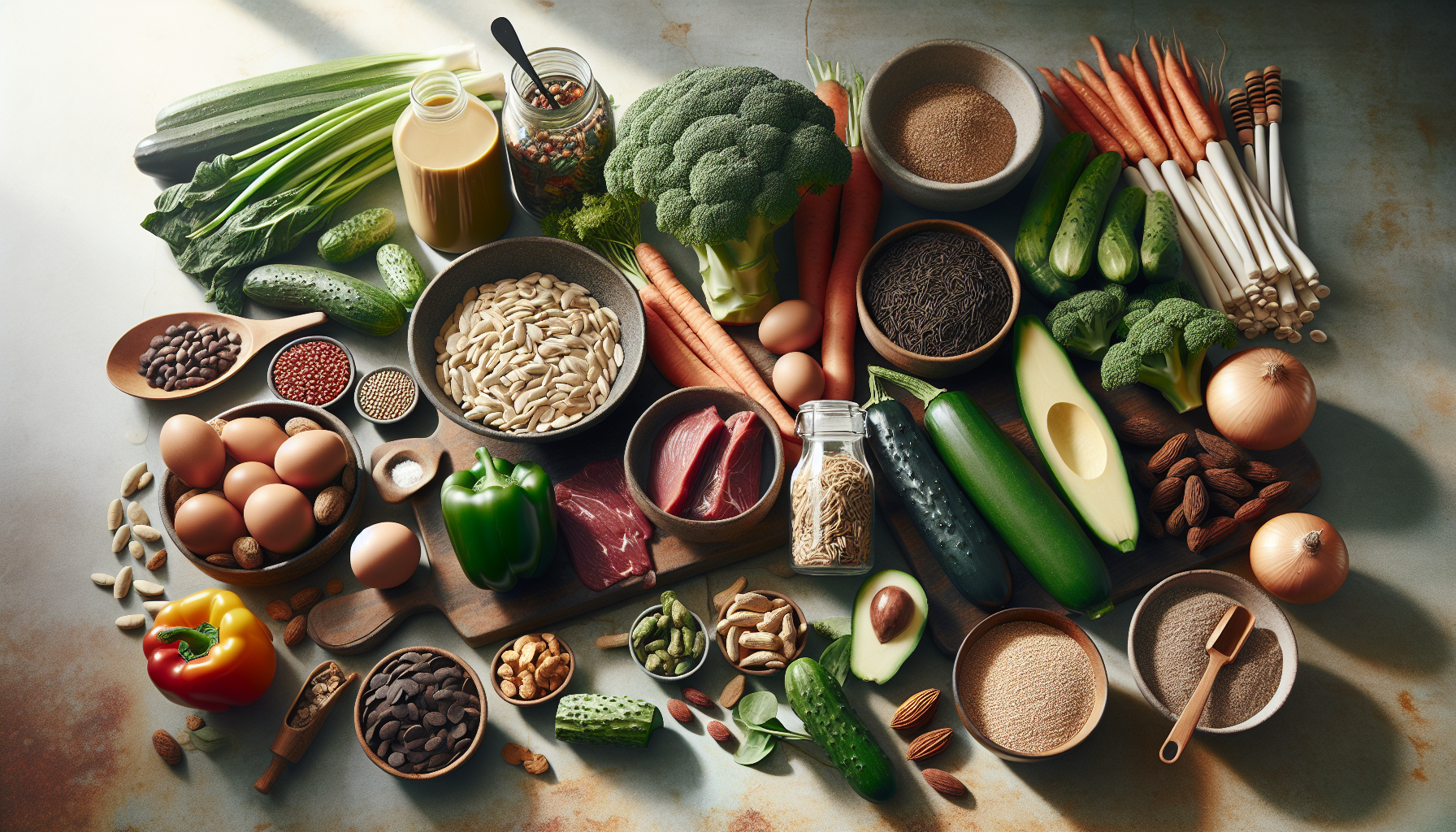
A diet rich in lean proteins, such as chicken, fish, and plant-based sources like beans and lentils, can promote muscle repair. Additionally, consuming foods high in branched-chain amino acids, such as eggs and dairy, may enhance recovery after exercise.
Joint-Supporting Foods for Mobility and Flexibility
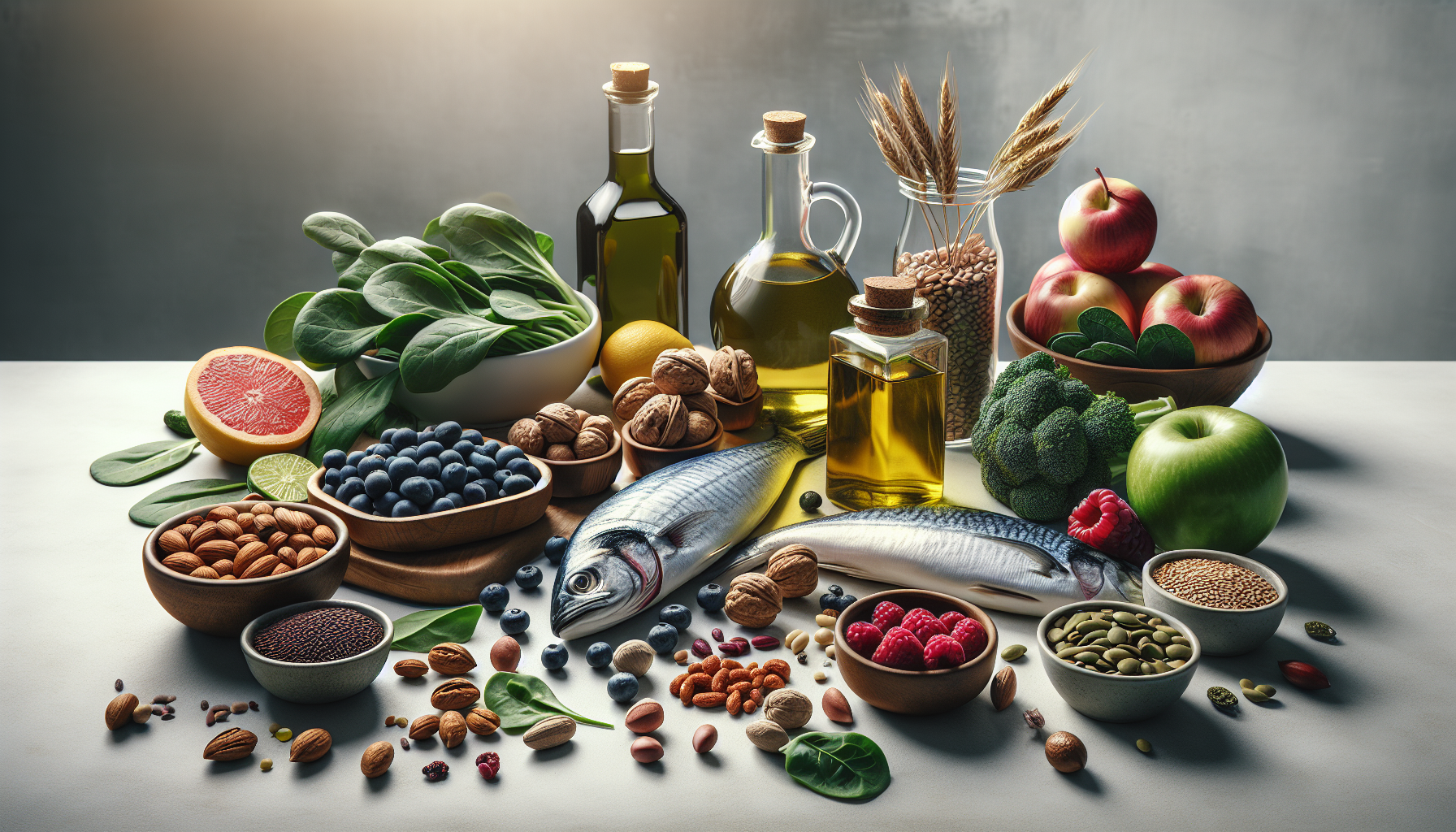
Incorporating anti-inflammatory foods into your diet can support joint health. Fatty fish like salmon and mackerel are excellent sources of omega-3s. Leafy greens and berries provide antioxidants that may help protect joint tissues from damage.
How Nutrition May Influence Inflammation and Stiffness
Chronic inflammation can lead to joint discomfort and stiffness. Diets high in processed foods and sugars may exacerbate this issue, while incorporating whole foods like nuts, seeds, and olive oil may support a healthy inflammatory response.
Everyday Habits That Support Muscle and Joint Health
Beyond diet, staying active, maintaining a healthy weight, and getting adequate rest are crucial for supporting muscle and joint health. Regular exercise can strengthen muscles and stabilize joints, while proper rest allows for recovery.
Common Myths About Muscle and Joint Support
There are many misconceptions about muscle and joint health. Some believe that only intense exercise can support joint health, but gentle activities like walking and yoga are also beneficial. Others think that supplements alone can replace a balanced diet, which is not the case.
Who Should Be Careful With Muscle and Joint Nutrition
Individuals with allergies or sensitivities to certain foods should tailor their diets accordingly. Additionally, those taking medications should consult healthcare professionals to avoid potential interactions with certain foods or supplements.
In summary, a balanced diet rich in essential nutrients can play a significant role in supporting muscle recovery and joint comfort. By integrating nutrient-dense foods and maintaining healthy lifestyle habits, you can promote better mobility and overall well-being throughout your life.
This article is for informational purposes only and does not constitute medical advice. Individual responses may vary; consult a qualified professional for personalized guidance.
Myths vs Facts
Supplements alone can replace a balanced diet.
While supplements can be helpful, they cannot replace the benefits of a nutrient-rich diet.
Only intense exercise supports joint health.
Gentle activities like walking and yoga also promote joint health.
All fats are bad for joints.
Healthy fats, such as omega-3s, can actually support joint health.
References
- Journal of the Academy of Nutrition and Dietetics - Nutritional Influences on Muscle Health
- Arthritis Foundation - Anti-Inflammatory Diet
- Harvard Health Publishing - Foods that fight inflammation
Frequently Asked Questions
What nutrients are essential for muscle recovery?
How can diet influence joint comfort?
Are there specific foods that help with joint flexibility?
Can certain foods increase inflammation?
Who should be cautious about their muscle and joint nutrition?
Disclaimer: The information on this site is for educational and informational purposes only. It is not intended as medical advice. Always consult a qualified healthcare professional before making changes to your diet, exercise, or health routine. Results may vary.
Last updated: February 27, 2026.