Why Muscle and Joint Health Matters More as You Age

Quick Take
- ✓ Aging affects muscle mass and joint flexibility, necessitating proactive health support.
- ✓ Nutrition and lifestyle choices play a vital role in maintaining muscle and joint health.
- ✓ Regular exercise and a balanced diet can support strength, mobility, and flexibility.
Why Muscle and Joint Health Matters More as You Age
As we journey through life, prioritizing muscle and joint health becomes increasingly crucial. With age, the body's natural processes evolve, and maintaining strength and flexibility can significantly impact daily activities and overall quality of life. Understanding the importance of muscle and joint support is key to staying active and vibrant as the years go by.
Muscle and joint health plays a pivotal role in how we move, recover, and feel daily. The ability to perform simple tasks, engage in physical activities, and enjoy life without discomfort may be influenced by how well we care for our muscles and joints. Integrating the right nutrition and habits into our lives can support these vital components of health.
Why Muscle and Joint Health Matter More Over Time
As we age, the body undergoes natural changes such as decreased muscle mass and joint flexibility. These changes can affect balance, strength, and endurance, making it essential to focus on muscle and joint health. Supporting these aspects can help maintain independence and reduce the risk of falls or injuries.
The Connection Between Muscles, Joints, and Daily Movement
The relationship between muscles and joints is fundamental to our ability to move and perform everyday activities. Muscles provide the power needed for movement, while joints offer the flexibility and range of motion required. Together, they enable smooth and efficient motion, which is crucial for daily tasks and overall comfort.
Nutrients Commonly Linked to Muscle and Joint Support
Certain nutrients are associated with supporting muscle and joint health. Protein is vital for muscle repair and growth, while omega-3 fatty acids may support joint health by potentially reducing inflammation. Vitamins D and C, along with minerals such as calcium and magnesium, play roles in bone health and muscle function.
Foods That Support Muscle Strength and Recovery
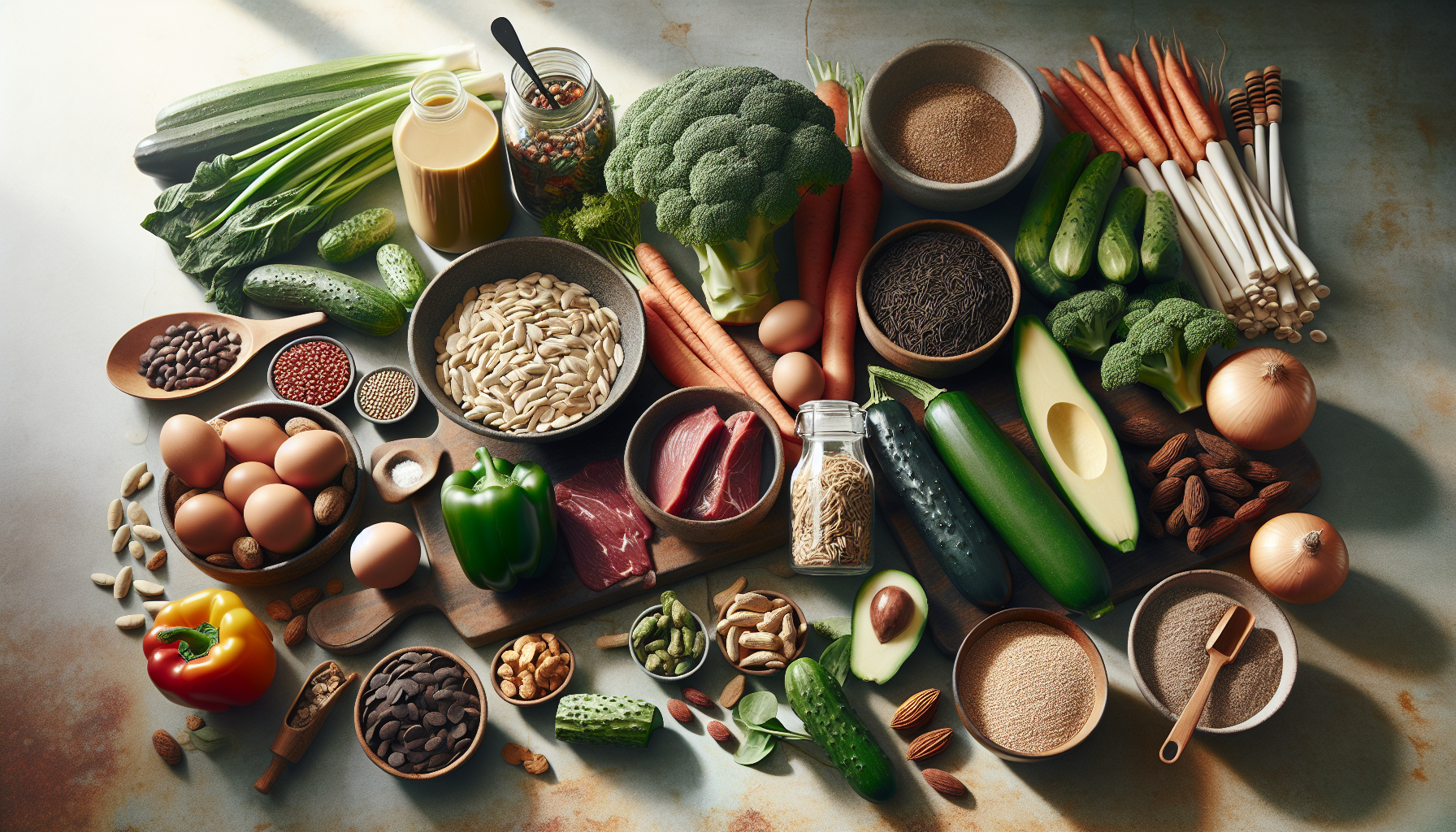
Incorporating nutrient-dense foods into your diet can support muscle strength and recovery. Lean proteins like chicken, fish, and legumes provide essential amino acids. Additionally, whole grains, nuts, and seeds offer energy and nutrients that aid in muscle repair and growth.
Joint-Supporting Foods for Mobility and Flexibility
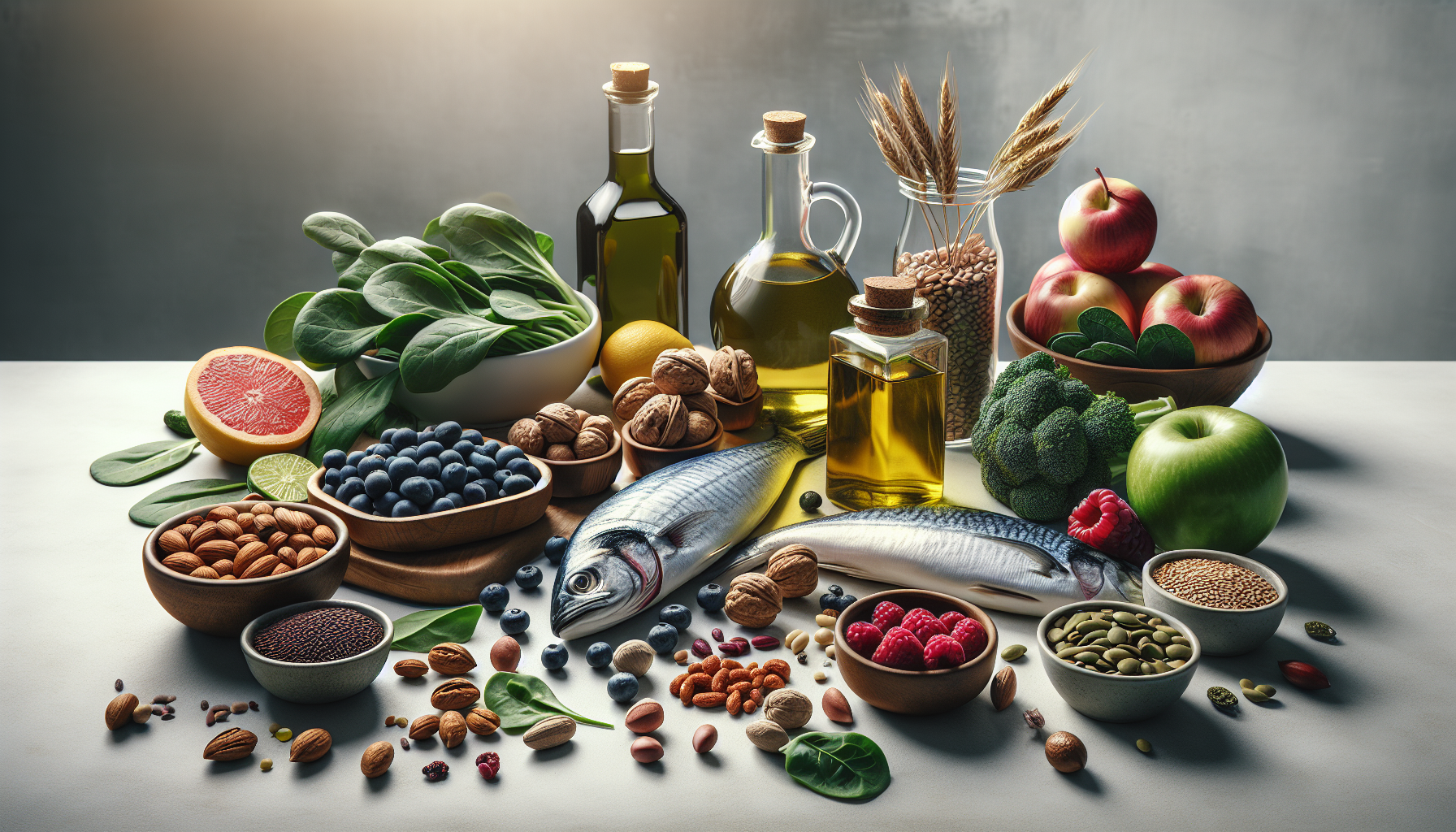
Foods rich in antioxidants and anti-inflammatory properties may support joint health. Berries, leafy greens, and citrus fruits provide vitamin C, which is crucial for collagen production, a component of joint cartilage. Omega-3 sources, such as oily fish and flaxseeds, may help maintain joint mobility.
How Nutrition May Influence Inflammation and Stiffness
Inflammation and stiffness are common concerns for aging joints. A balanced diet rich in anti-inflammatory foods, such as turmeric, ginger, and green tea, may help manage these symptoms. Limiting processed foods and sugars can also contribute to reduced inflammation.
Everyday Habits That Support Muscle and Joint Health
In addition to nutrition, regular physical activity is essential for muscle and joint health. Activities like walking, swimming, and yoga can enhance flexibility and strength. Adequate hydration and sleep are also vital for recovery and overall well-being.
Common Myths About Muscle and Joint Support
There are many myths surrounding muscle and joint health. One common misconception is that rest is the best remedy for joint pain, while moderate activity can actually support recovery. Another myth is that only athletes need to worry about muscle health, but it's essential for everyone, especially as we age.
Who Should Be Careful With Muscle and Joint Nutrition
While many foods support muscle and joint health, individuals with specific allergies or sensitivities should be cautious. Additionally, those on medication should consult with a healthcare provider to ensure no interactions with supplements or dietary changes.
Prioritizing muscle and joint health through balanced nutrition and an active lifestyle can support strength, mobility, and flexibility as we age. By integrating supportive foods and habits, you can contribute to a more active and comfortable life.
This article is for informational purposes only and does not constitute medical advice. Individual responses may vary; consult a qualified professional for personalized guidance.
Myths vs Facts
Rest is always best for joint pain.
Moderate activity can actually support recovery and reduce joint pain.
Muscle health only matters for athletes.
Muscle health is crucial for everyone, especially as we age, to maintain mobility and strength.
Supplements are necessary for joint health.
A balanced diet often provides sufficient nutrients for joint health without the need for supplements.
References
- National Institutes of Health - Dietary Supplements for Exercise and Athletic Performance
- Harvard Health - Foods That Fight Inflammation
- Centers for Disease Control and Prevention - Physical Activity Basics
Frequently Asked Questions
What are the best foods for muscle health?
How can I support joint flexibility?
Does exercise help with joint pain?
What are anti-inflammatory foods?
Are supplements necessary for muscle and joint health?
Disclaimer: The information on this site is for educational and informational purposes only. It is not intended as medical advice. Always consult a qualified healthcare professional before making changes to your diet, exercise, or health routine. Results may vary.
Last updated: February 27, 2026.