Daily Nutrition Habits for Healthier Skin: Unveiling the Secrets of Skin Health Foods
Quick Take
- ✓ Nutrition significantly influences skin health, supporting hydration and elasticity.
- ✓ Antioxidant-rich foods can help protect against skin aging and damage.
- ✓ A balanced diet with diverse nutrients is key to maintaining a radiant complexion.
Daily Nutrition Habits for Healthier Skin: Unveiling the Secrets of Skin Health Foods
The journey to radiant, healthy skin often begins with what we put on our plates. Daily nutrition habits can play a pivotal role in enhancing skin health, and certain foods are renowned for their skin-supporting properties. By incorporating skin health foods into your diet, you may boost your skin's hydration, elasticity, and natural glow.
In this article, we'll explore the fascinating connection between nutrition and skin health, highlighting some of the best foods known for supporting a clear, glowing complexion. From vibrant fruits and vegetables to nourishing fats and proteins, discover how dietary choices can shape your skin's appearance over time.
Why What You Eat Can Affect Your Skin
Your skin is a reflection of your overall health, and what you consume can significantly influence its condition. Nutrients such as vitamins, minerals, and antioxidants are vital in maintaining skin health. These nutrients help the skin combat oxidative stress, reduce inflammation, and support the repair of damaged cells.
For instance, antioxidants like vitamins C and E are known for their ability to neutralize free radicals, protecting the skin from premature aging. Additionally, omega-3 fatty acids found in fatty fish may help maintain skin moisture and elasticity, contributing to a more youthful appearance.
Foods Commonly Linked to Clear, Glowing Skin
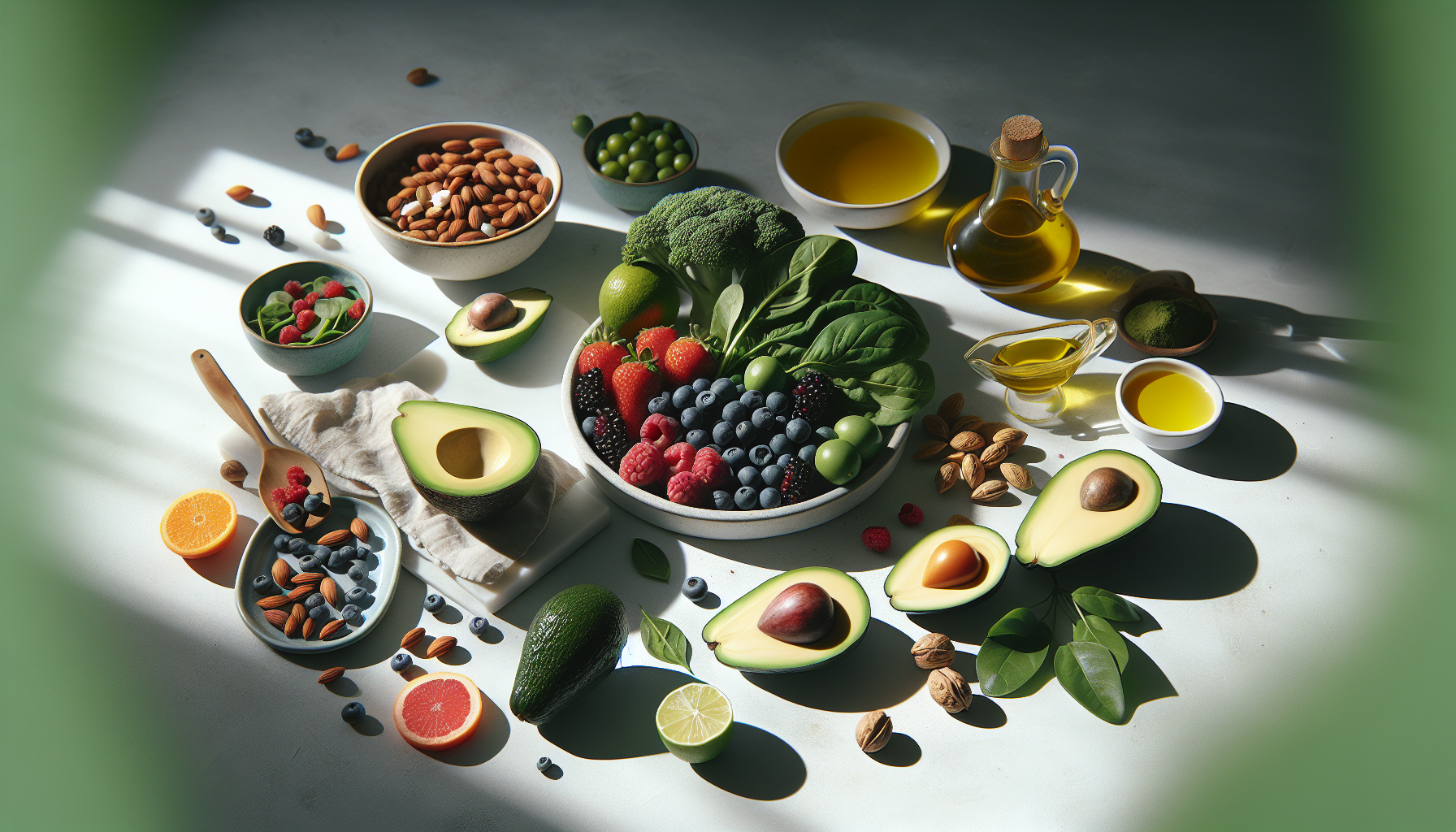
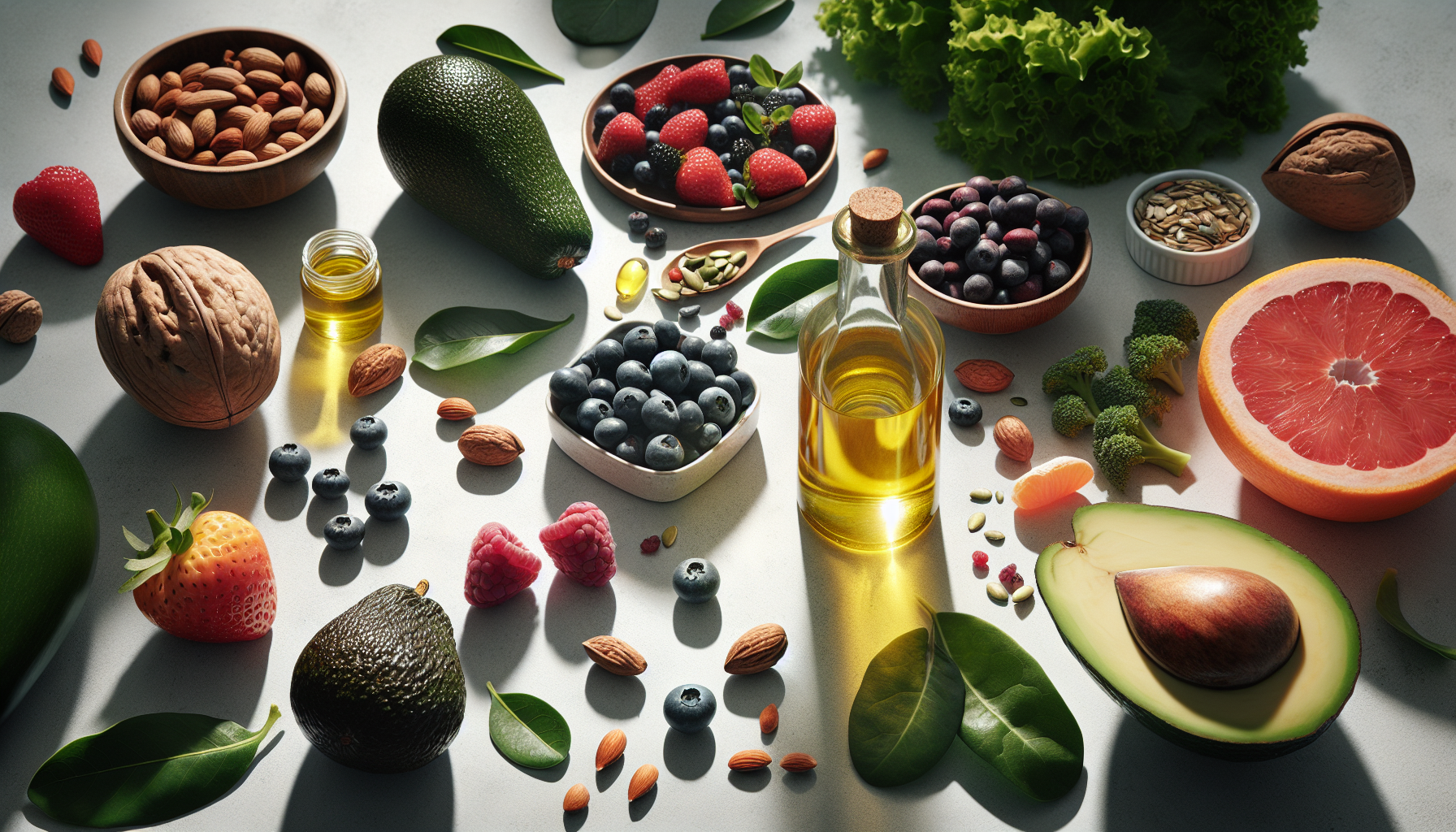
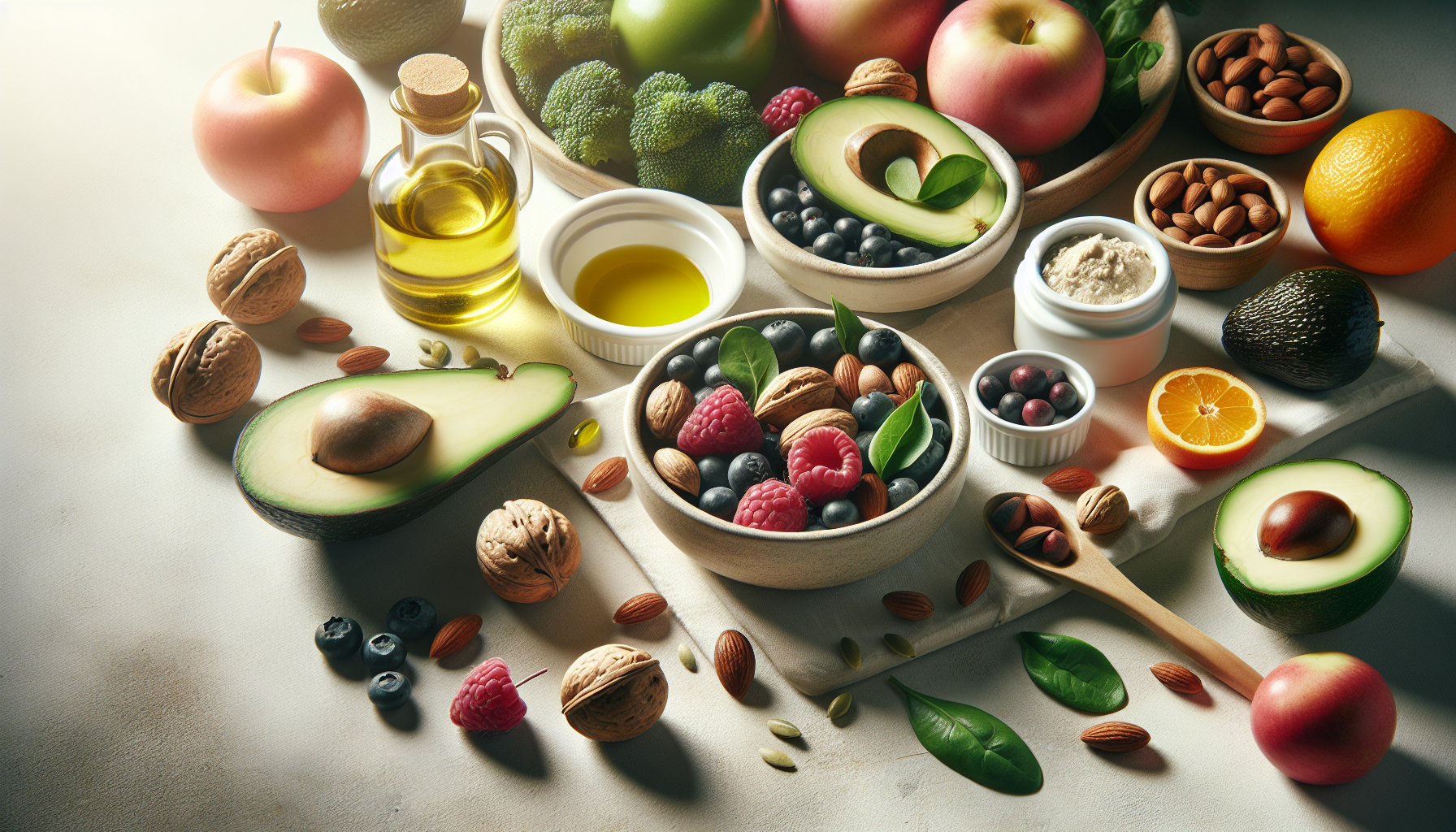
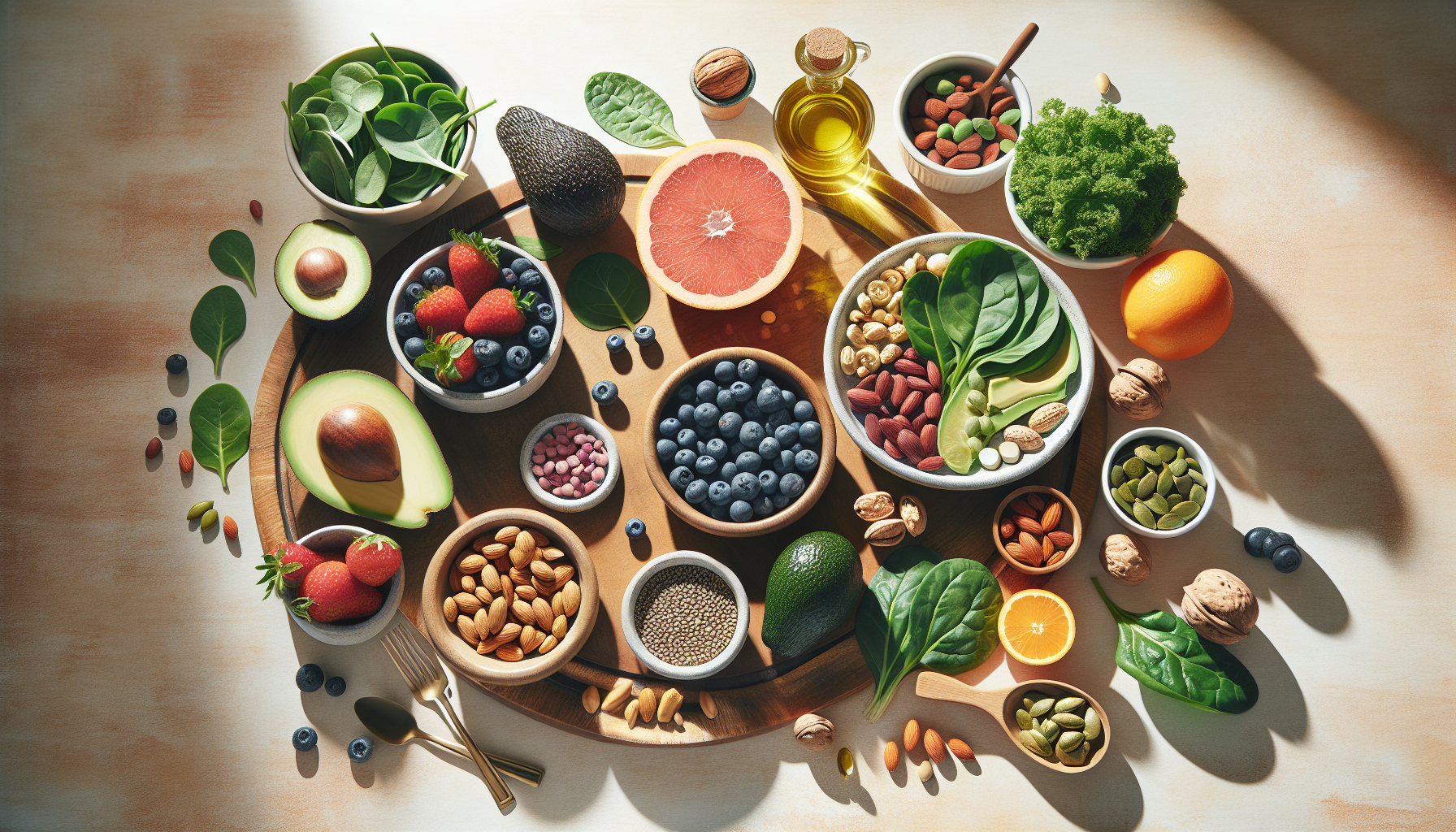
Several foods are celebrated for their potential to promote a clear, glowing complexion. Leafy greens such as spinach and kale are rich in antioxidants that may aid in detoxifying the skin. Berries, particularly blueberries, are packed with vitamin C and other antioxidants that can enhance skin radiance.
Incorporating nuts and seeds like almonds and sunflower seeds can provide essential fatty acids and vitamin E, which contribute to skin protection and moisture retention. Meanwhile, bell peppers are an excellent source of beta-carotene and vitamin C, supporting collagen production and skin repair.
Skin Health Foods That Support Hydration and Elasticity
Staying hydrated is crucial for maintaining skin elasticity and a supple appearance. Foods with high water content, such as cucumbers, watermelon, and oranges, can help keep your skin hydrated from the inside out. These hydrating foods are also rich in vitamins and minerals that support overall skin health.
Additionally, avocados are a great source of healthy fats and vitamin E, which may support skin elasticity and hydration. Including avocados in your diet could contribute to a smoother, more resilient complexion.
The Role of Nutrition in Skin Aging and Wrinkles
While aging is a natural process, certain dietary habits may help mitigate its visible effects on the skin. Consuming foods high in antioxidants can slow down the aging process by reducing oxidative stress and promoting cell regeneration.
Tomatoes, rich in lycopene, have been associated with protecting the skin from sun damage, which can accelerate aging. Similarly, green tea is known for its polyphenols, which may improve skin elasticity and reduce the appearance of wrinkles.
Foods That Help Support Collagen Naturally
Collagen is a protein that provides structure and support to the skin. To boost collagen production naturally, consider eating foods rich in vitamin C and amino acids. Citrus fruits, such as oranges and lemons, are excellent sources of vitamin C, essential for collagen synthesis.
Bone broth, known for its collagen content, can be a nourishing addition to your diet. Additionally, consuming chicken and other lean meats can provide the necessary amino acids required for collagen production.
Skin Health Foods for a Natural Glow
A natural glow is often a sign of well-nourished skin. Carrots, sweet potatoes, and pumpkins are rich in beta-carotene, which the body converts into vitamin A, a nutrient crucial for maintaining skin health and promoting a radiant complexion.
Furthermore, dark chocolate containing high cocoa content is not only a treat but also a source of antioxidants that may improve skin texture and hydration, contributing to a healthy glow.
Common Myths About Food and Skin Health
There are several misconceptions about the impact of food on skin health. One common myth is that eating greasy foods directly leads to oily skin and acne. While diet can influence skin conditions, the relationship is complex and involves various factors, including genetics and hormones.
Another myth is that cutting out all fats will improve skin health. On the contrary, healthy fats found in foods like avocados and nuts are essential for maintaining skin moisture and elasticity.
Who Should Be Careful With Skin Health Foods
While many foods support skin health, individuals with specific allergies or sensitivities should exercise caution. For example, those with nut allergies should avoid nuts and seek alternative sources of skin-friendly nutrients.
Additionally, if you are on medication, it's crucial to be aware of potential interactions with certain foods. Consulting with a healthcare professional can provide personalized guidance on safe dietary choices for skin health.
In conclusion, daily nutrition habits play a significant role in supporting skin health. By incorporating a variety of skin health foods into your diet, you may enhance hydration, elasticity, and radiance. Remember, nutrition is just one aspect of skin care, and individual responses may vary. For personalized advice, consult a qualified professional.
This article is for informational purposes only and does not constitute medical advice. Individual responses may vary; consult a qualified professional for personalized guidance.
Myths vs Facts
Greasy foods cause oily skin and acne.
While diet can influence skin conditions, acne is complex and not solely caused by greasy foods.
Cutting out all fats improves skin health.
Healthy fats are essential for skin moisture and elasticity.
Only topical treatments can improve skin health.
Dietary habits also play a crucial role in skin health.
References
- National Institutes of Health - Vitamin C and Skin Health
- British Journal of Dermatology - Dietary Factors in Acne
- Journal of Clinical and Aesthetic Dermatology - The Role of Diet in Skin Aging
Frequently Asked Questions
What are the best foods for glowing skin?
How does hydration affect skin health?
Can diet really impact acne?
What foods help with skin elasticity?
Are there foods that naturally boost collagen?
Disclaimer: The information on this site is for educational and informational purposes only. It is not intended as medical advice. Always consult a qualified healthcare professional before making changes to your diet, exercise, or health routine. Results may vary.
Last updated: March 2, 2026.