Foods That Support Skin Hydration and Elasticity: What You Need to Know
Quick Take
- ✓ Nutrition plays a key role in maintaining skin hydration and elasticity.
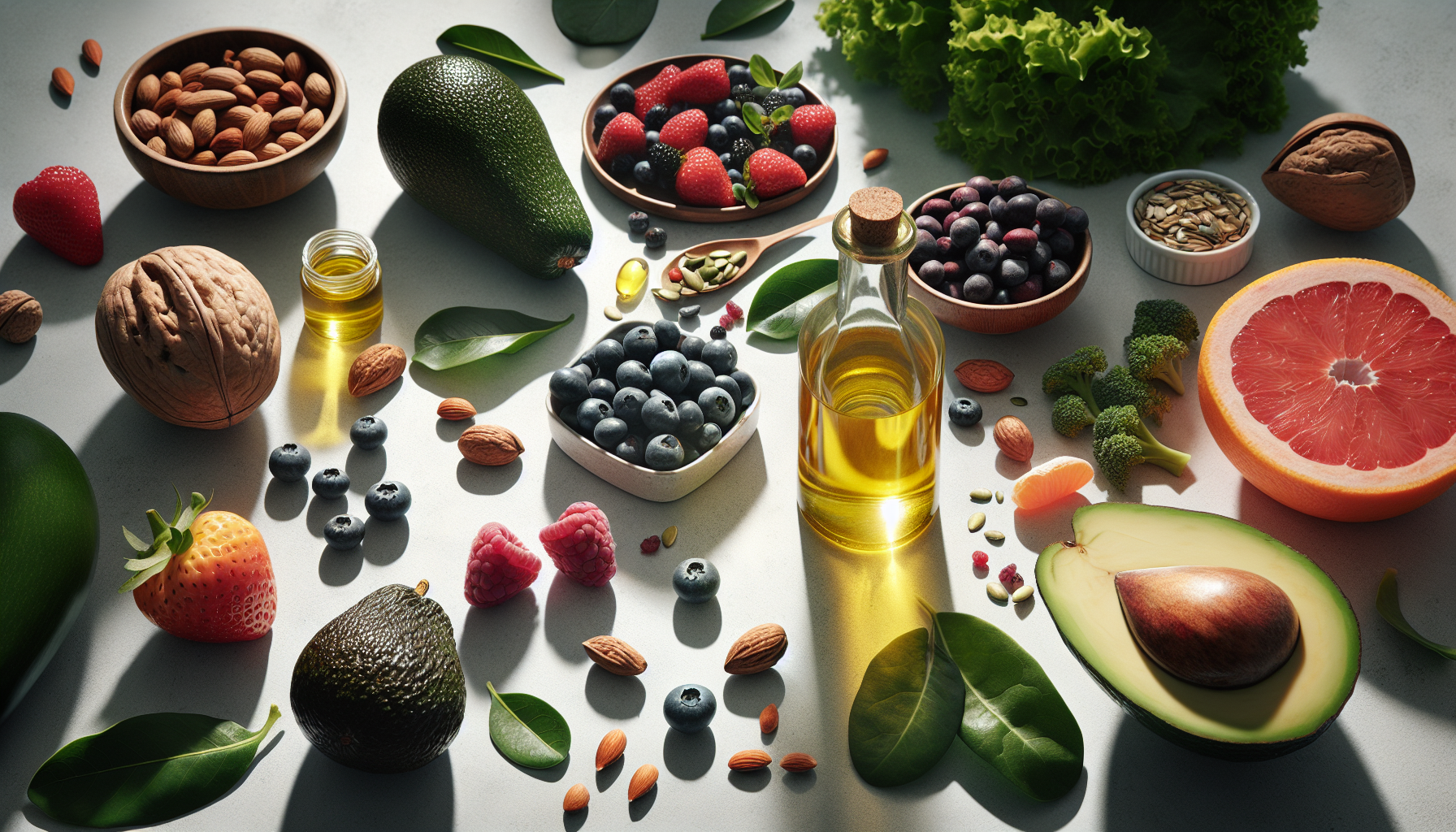
- ✓ Foods rich in omega-3s and antioxidants may support a youthful complexion.
- ✓ Incorporating a variety of skin health foods can enhance natural glow.
Foods That Support Skin Hydration and Elasticity: What You Need to Know
It's no secret that what we eat can have a profound impact on our skin. From hydration levels to elasticity, our diet plays a crucial role in maintaining a healthy complexion. In this article, we explore the best foods for promoting skin hydration and elasticity, offering insights into how nutrition can support a glowing, youthful appearance.
Why What You Eat Can Affect Your Skin
Our skin is a reflection of our overall health. Just as a balanced diet can support heart health and boost energy levels, it can also influence the condition of our skin. Foods rich in vitamins, minerals, and antioxidants can help maintain skin hydration and elasticity by supporting the skin barrier and promoting collagen production.
Foods Commonly Linked to Clear, Glowing Skin
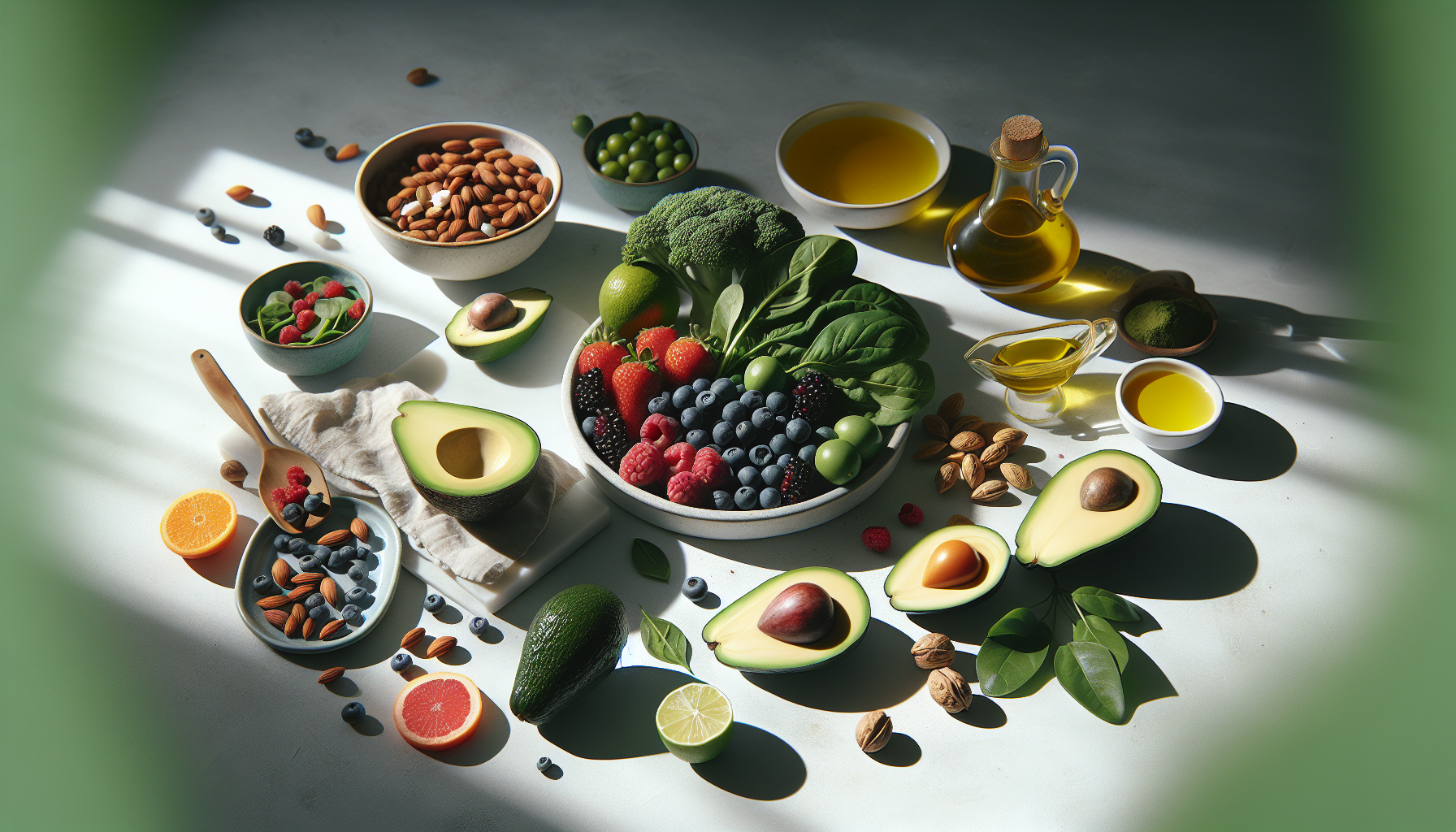
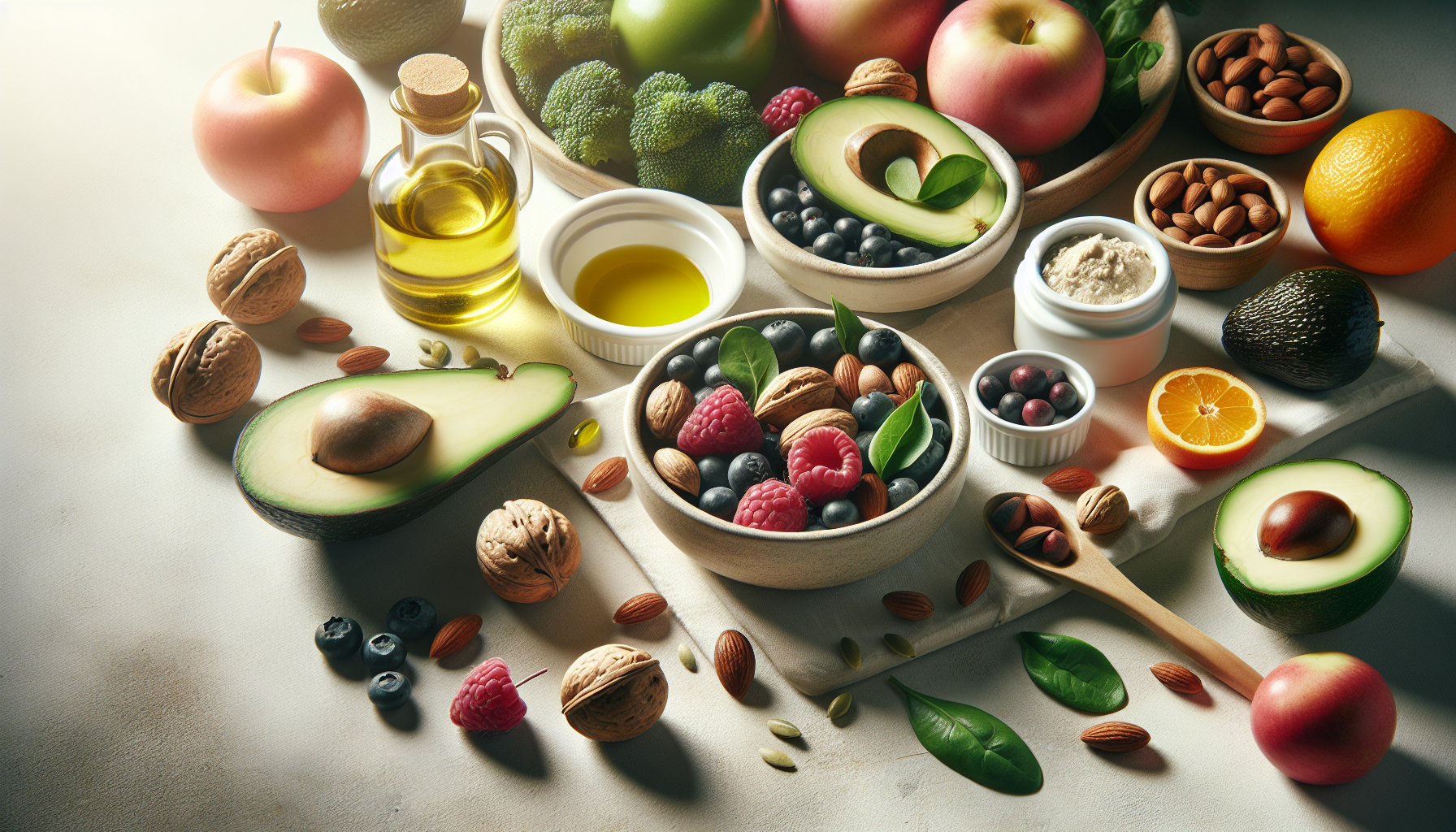
Some foods are renowned for their ability to promote clear, glowing skin. Citrus fruits, packed with vitamin C, may support collagen synthesis, while avocados provide healthy fats that can nourish the skin from within. Incorporating these foods into your diet may help you achieve a radiant complexion.
Skin Health Foods That Support Hydration and Elasticity
Hydration is key to maintaining skin elasticity and preventing dryness. Water-rich foods, such as cucumbers and watermelon, can help keep your skin hydrated. Omega-3 fatty acids found in salmon and flaxseeds may support the skin's lipid barrier, enhancing elasticity.
The Role of Nutrition in Skin Aging and Wrinkles
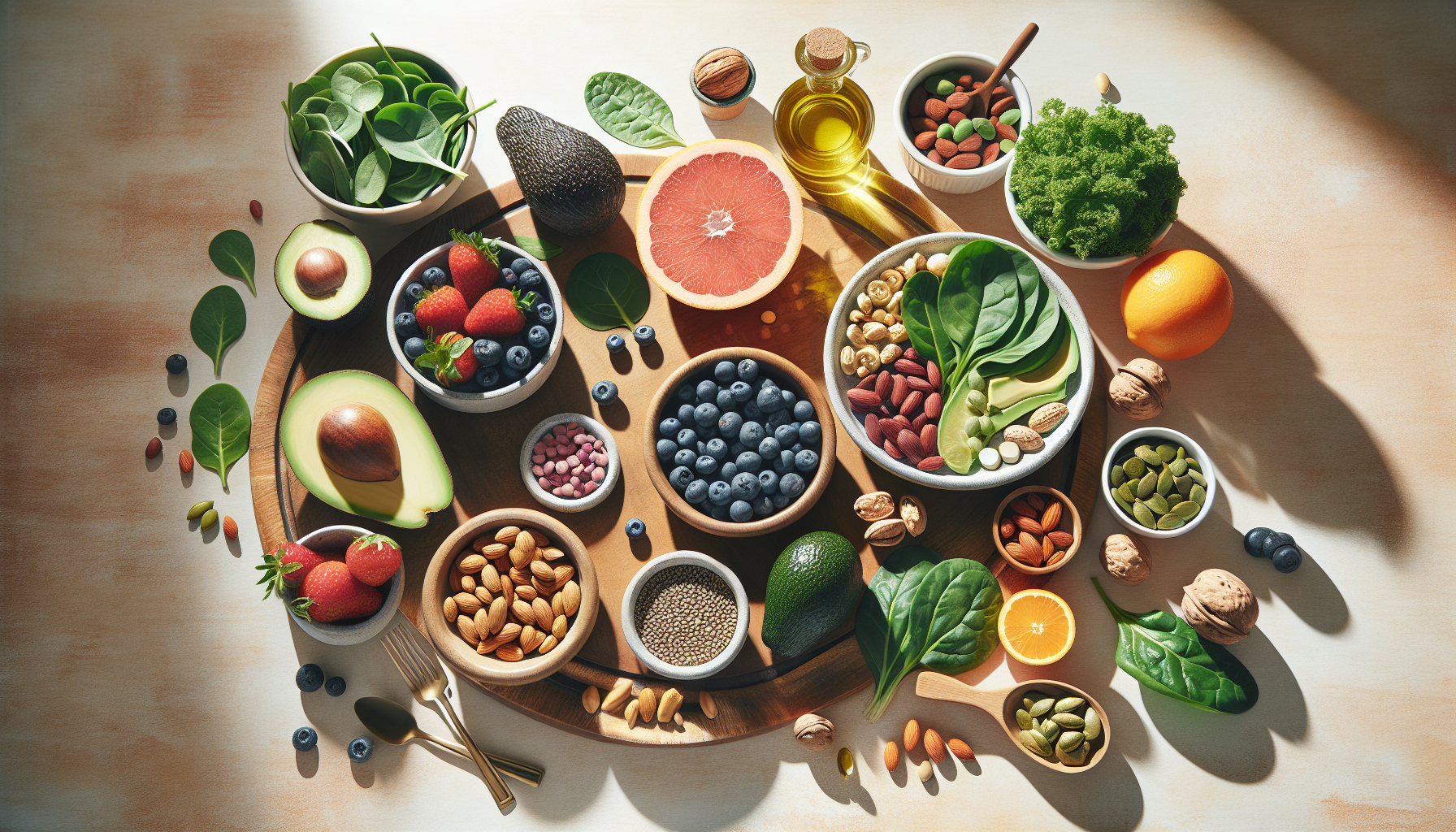
Aging is inevitable, but nutrition can play a role in how gracefully our skin ages. Antioxidant-rich foods, like berries and leafy greens, may combat oxidative stress and reduce the appearance of fine lines. Adequate hydration and a balanced diet can support skin structure and function.
Foods That Help Support Collagen Naturally
Collagen is essential for skin firmness and elasticity. Bone broth, rich in collagen, and foods high in vitamin C, such as bell peppers, may support the body's natural collagen production. Including these in your diet can contribute to a more youthful appearance.
Skin Health Foods for a Natural Glow
A naturally glowing complexion can be enhanced by a diet rich in beta-carotene and omega fatty acids. Carrots and sweet potatoes, with their high beta-carotene content, can impart a healthy glow, while almonds offer vitamin E, known for its skin-nourishing properties.
Common Myths About Food and Skin Health
Despite popular belief, chocolate and greasy foods are not directly responsible for acne. Instead, focus on a balanced diet and consider potential triggers that may vary individually. Always remember that a holistic approach is key to skin health.
Who Should Be Careful With Skin Health Foods
While many foods can support skin health, some individuals may have allergies or sensitivities. It's important to be mindful of any adverse reactions and consult with a healthcare professional if you have concerns, especially when taking medications that may interact with certain foods.
In conclusion, incorporating skin health foods into your diet can be a delicious way to support hydration and elasticity. From water-rich fruits and vegetables to collagen-boosting foods, a varied diet provides the nutrients your skin needs. Over time, these dietary choices may contribute to a healthy, radiant complexion.
This article is for informational purposes only and does not constitute medical advice. Individual responses may vary; consult a qualified professional for personalized guidance.
Myths vs Facts
Chocolate causes acne.
No direct link between chocolate and acne has been proven; individual responses vary.
Greasy foods lead to oily skin.
Oily skin is more influenced by genetics and hormones than dietary fat.
Drinking water alone is enough for skin hydration.
While important, hydration also relies on a diet rich in water-containing foods.
References
- Harvard Health - The Importance of Nutrition for Skin Health
- Journal of Dermatological Science - Antioxidants and Skin Health
- American Academy of Dermatology - Collagen and Skin Health
Frequently Asked Questions
What foods are best for skin hydration?
How can I improve skin elasticity through diet?
Can certain foods really reduce wrinkles?
Is collagen supplementation necessary for skin health?
Are there any foods that can cause skin problems?
Disclaimer: The information on this site is for educational and informational purposes only. It is not intended as medical advice. Always consult a qualified healthcare professional before making changes to your diet, exercise, or health routine. Results may vary.
Last updated: February 28, 2026.