Foods That Support the Skin Barrier Naturally
Quick Take
- ✓ Certain foods may naturally support the skin barrier.
- ✓ Hydration and antioxidants are key for glowing skin.
- ✓ A balanced diet may reduce visible signs of aging.
Foods That Support the Skin Barrier Naturally
Your skin does more than just cover your body; it's a resilient barrier that protects against environmental stressors, regulates temperature, and retains moisture. But did you know that what you eat can influence the health of this vital barrier? Incorporating certain foods into your diet may support the skin barrier naturally, leading to healthier, glowing skin.
Consuming a nutrient-rich diet isn't just about inner health. The skin is often a reflection of what goes on internally, and the right foods may enhance its resilience and beauty. Let's delve into the connection between nutrition and skin health.
Why What You Eat Can Affect Your Skin
The skin is the body's largest organ, and like any organ, it relies on nutrients to function optimally. Essential fatty acids, antioxidants, vitamins, and minerals play a role in maintaining the skin's integrity and appearance. These nutrients may contribute to the skin's ability to repair itself, retain moisture, and fend off oxidative stress.
Foods that are rich in these nutrients may help strengthen the skin's barrier, potentially reducing the risk of dryness, irritation, and other common skin issues. The inclusion of such foods in your diet might be a step towards achieving a naturally glowing complexion.
Foods Commonly Linked to Clear, Glowing Skin
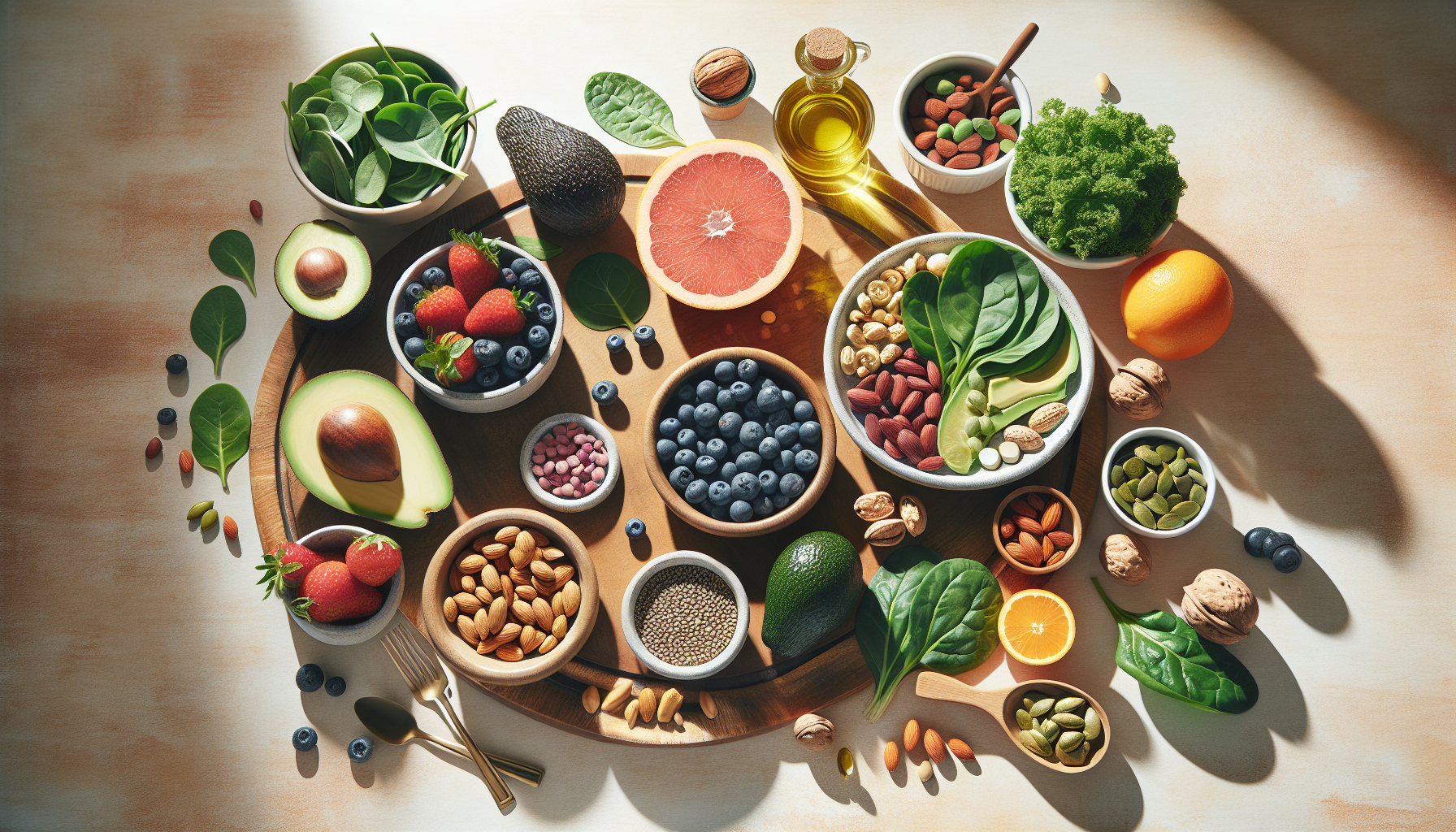
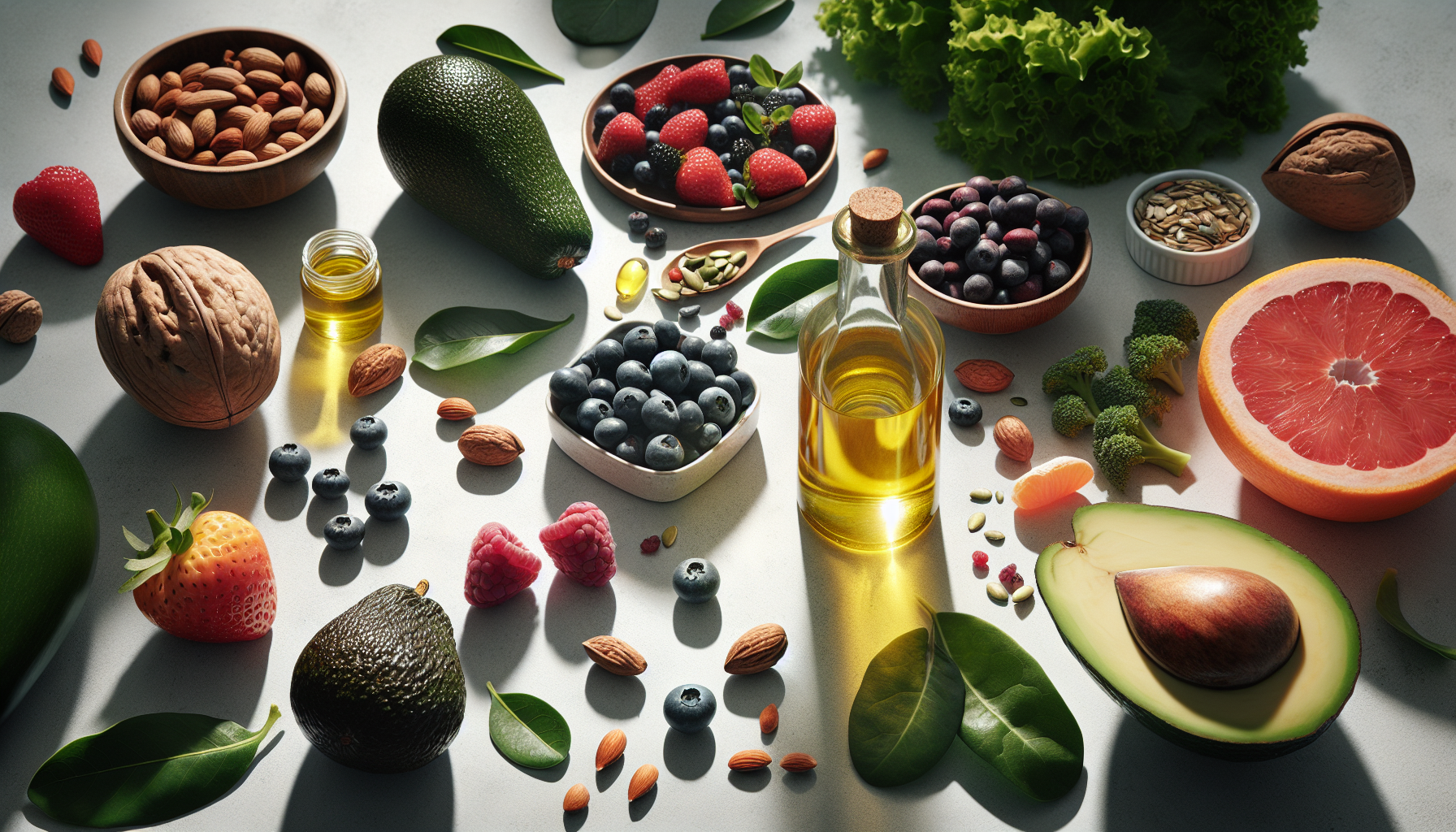
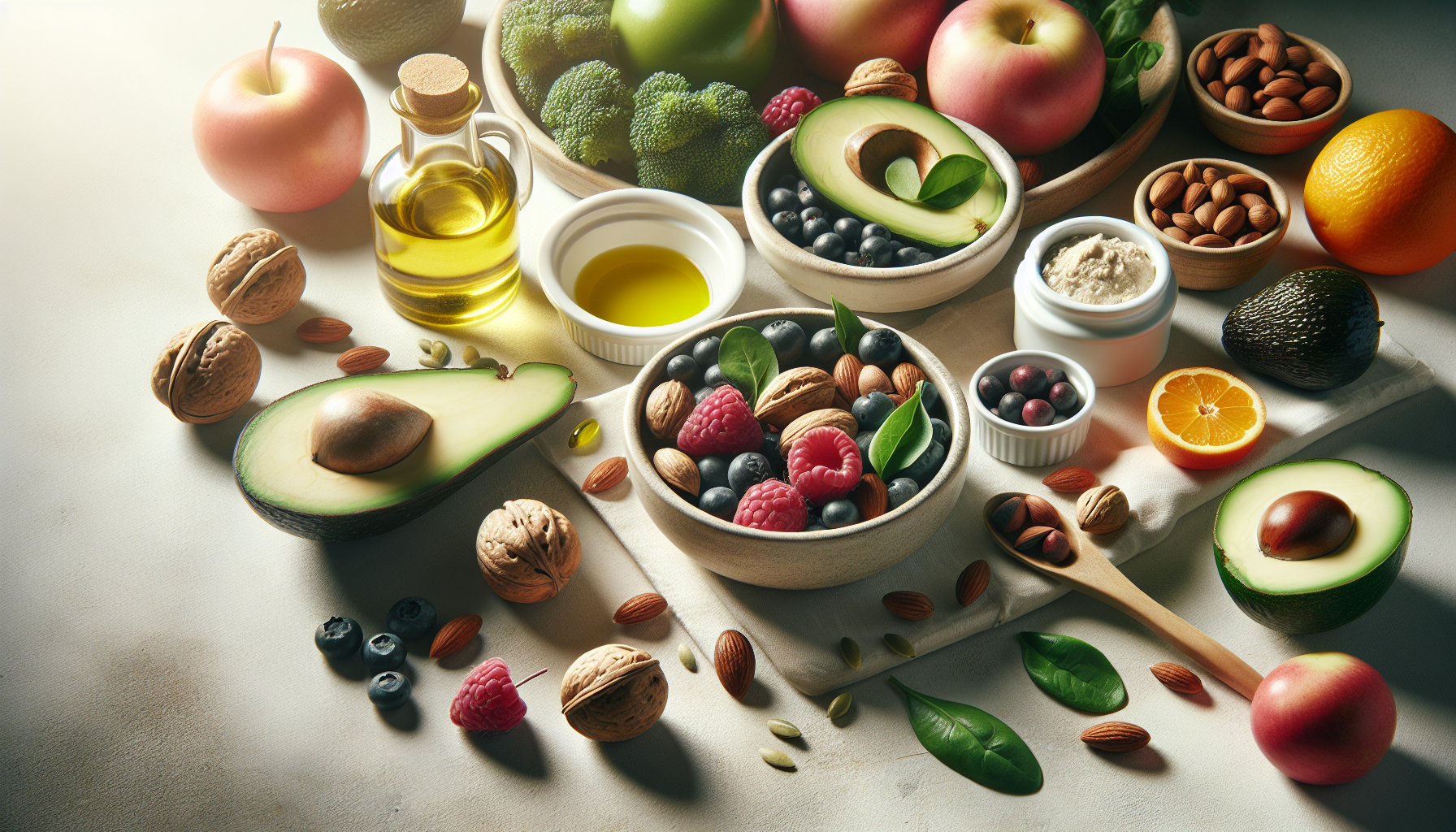
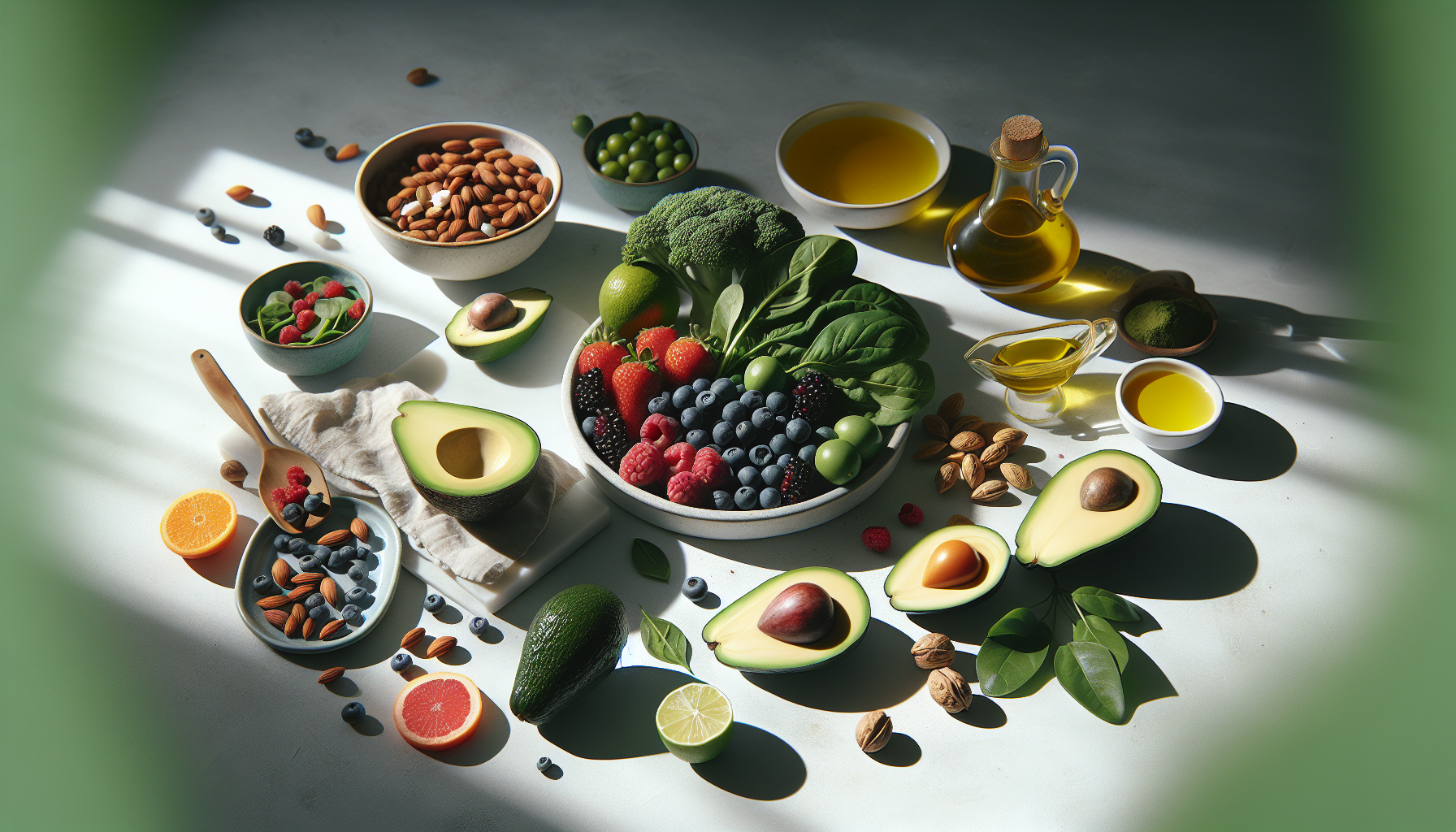
Integrating certain foods into your diet might promote clear and radiant skin. For example, fatty fish like salmon and mackerel are rich in omega-3 fatty acids, which may help maintain skin elasticity and hydration. Avocados, known for their healthy fats, are also associated with skin moisture and elasticity.
Colorful fruits and vegetables such as berries, carrots, and spinach are packed with antioxidants, which combat free radicals that can contribute to skin aging. Including these foods in your meals may provide the nutrients your skin needs to remain vibrant and resilient.
Skin Health Foods That Support Hydration and Elasticity
Hydration and elasticity are key components of healthy skin. Foods like cucumbers and watermelon, with high water content, may help maintain skin hydration. Nuts and seeds, particularly those rich in vitamin E, like almonds and sunflower seeds, are known to support skin elasticity.
Regular consumption of these hydrating and nourishing foods might help your skin retain moisture, which is crucial for maintaining its smooth and youthful appearance.
The Role of Nutrition in Skin Aging and Wrinkles
Aging is a natural process, but certain foods may help mitigate its visible effects on the skin. Antioxidant-rich foods like tomatoes and green tea are associated with reduced signs of aging due to their potential to protect against UV damage and oxidative stress.
Including these foods in your diet could support the skin's defenses against premature aging, possibly reducing the appearance of wrinkles and fine lines over time.
Foods That Help Support Collagen Naturally
Collagen is a protein that provides structure to the skin, contributing to its firmness and smoothness. Foods rich in vitamin C, such as oranges and strawberries, are known to support collagen production. Bone broth and gelatin are also popular for their collagen content.
Incorporating these foods into your diet might bolster your skin's collagen levels, potentially enhancing its firmness and reducing sagging.
Skin Health Foods for a Natural Glow
A natural glow is often a sign of healthy skin. Foods high in beta-carotene, like sweet potatoes and carrots, are associated with a radiant complexion. Their antioxidant properties may protect the skin and enhance its natural glow.
Regularly consuming these vibrant foods may contribute to a luminous and healthy-looking skin tone.
Common Myths About Food and Skin Health
There's no shortage of myths surrounding diet and skin health. One common misconception is that chocolate causes acne. However, evidence suggests that moderate consumption does not directly lead to breakouts.
Another myth is that greasy foods make your skin oily. While diet can affect skin health, there's no direct correlation between eating greasy foods and increased skin oiliness.
Who Should Be Careful With Skin Health Foods
While many foods are beneficial for skin health, individuals with allergies or sensitivities should exercise caution. For instance, nuts and shellfish are common allergens that could trigger reactions in sensitive individuals.
Those on medication should also consider potential interactions. It's advisable to consult with a healthcare professional before making significant dietary changes.
Ultimately, maintaining a balanced diet rich in skin-friendly foods may offer long-term benefits for your skin's health and appearance. Remember, the journey to vibrant skin is a marathon, not a sprint.
This article is for informational purposes only and does not constitute medical advice. Individual responses may vary; consult a qualified professional for personalized guidance.
Myths vs Facts
Chocolate causes acne.
There's no direct evidence linking chocolate to acne.
Greasy foods make your skin oily.
Dietary grease doesn't necessarily correlate with skin oiliness.
All skin problems are diet-related.
While diet can influence skin health, other factors also play a significant role.
References
- National Institute of Arthritis and Musculoskeletal and Skin Diseases - Skin Biology and Pathology
- American Academy of Dermatology - Diet and Dermatology
- Journal of Clinical and Aesthetic Dermatology - The Role of Nutrition in Skin Health
Frequently Asked Questions
Can eating certain foods improve my skin's appearance?
What foods should I eat for better skin hydration?
Are there foods that can help reduce wrinkles?
How can I naturally support collagen production?
What common food myths exist about skin health?
Disclaimer: The information on this site is for educational and informational purposes only. It is not intended as medical advice. Always consult a qualified healthcare professional before making changes to your diet, exercise, or health routine. Results may vary.
Last updated: March 2, 2026.