What to Eat for Healthy Skin as You Age: Foods for a Timeless Glow
Quick Take
- ✓ Nutrition plays a key role in maintaining skin health as you age.
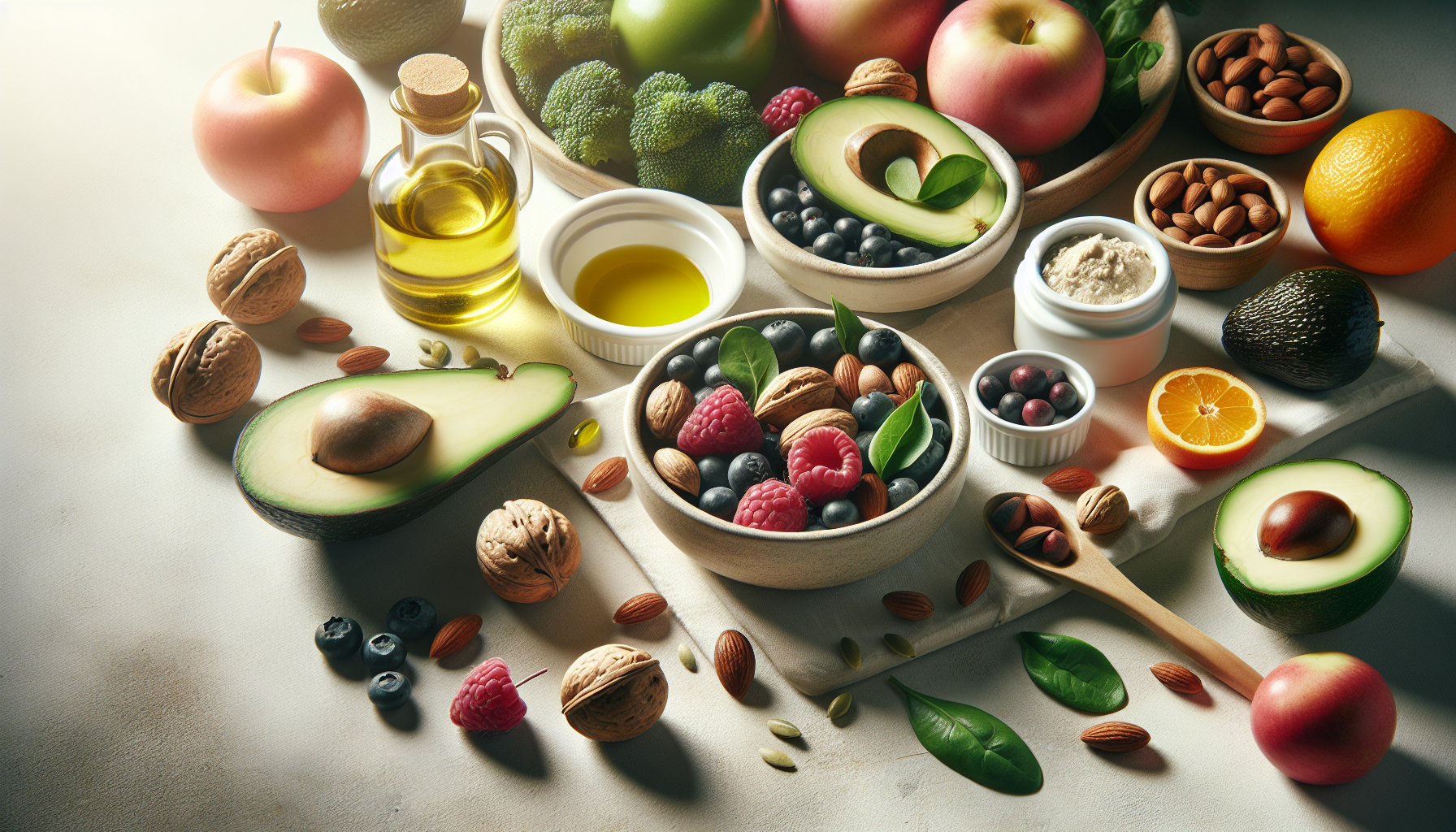
- ✓ Foods rich in antioxidants and healthy fats can support a youthful complexion.
- ✓ Hydration and collagen support are crucial for skin elasticity and radiance.
What to Eat for Healthy Skin as You Age: Foods for a Timeless Glow
As we age, our skin undergoes numerous changes, losing elasticity and radiance over time. However, what you eat can have a profound impact on maintaining your skin's health and appearance. Eating the right foods can play a crucial role in supporting your skin's natural glow and vitality as you age.
The connection between diet and skin health is both compelling and backed by science. By incorporating skin health foods that are rich in essential nutrients, you can help support your skin's hydration, elasticity, and overall radiance.
Why What You Eat Can Affect Your Skin
Your skin is a reflection of your internal health, and nutrition is a key player. The foods you consume provide the building blocks needed for skin regeneration and repair. A diet rich in antioxidants, healthy fats, and essential vitamins can help combat oxidative stress, a major culprit in skin aging.
Oxidative stress occurs when there is an imbalance between free radicals and antioxidants in the body. It can damage cells, proteins, and DNA, accelerating the aging process and potentially affecting your skin's appearance. Therefore, incorporating skin health foods in your diet can help mitigate these effects.
Foods Commonly Linked to Clear, Glowing Skin
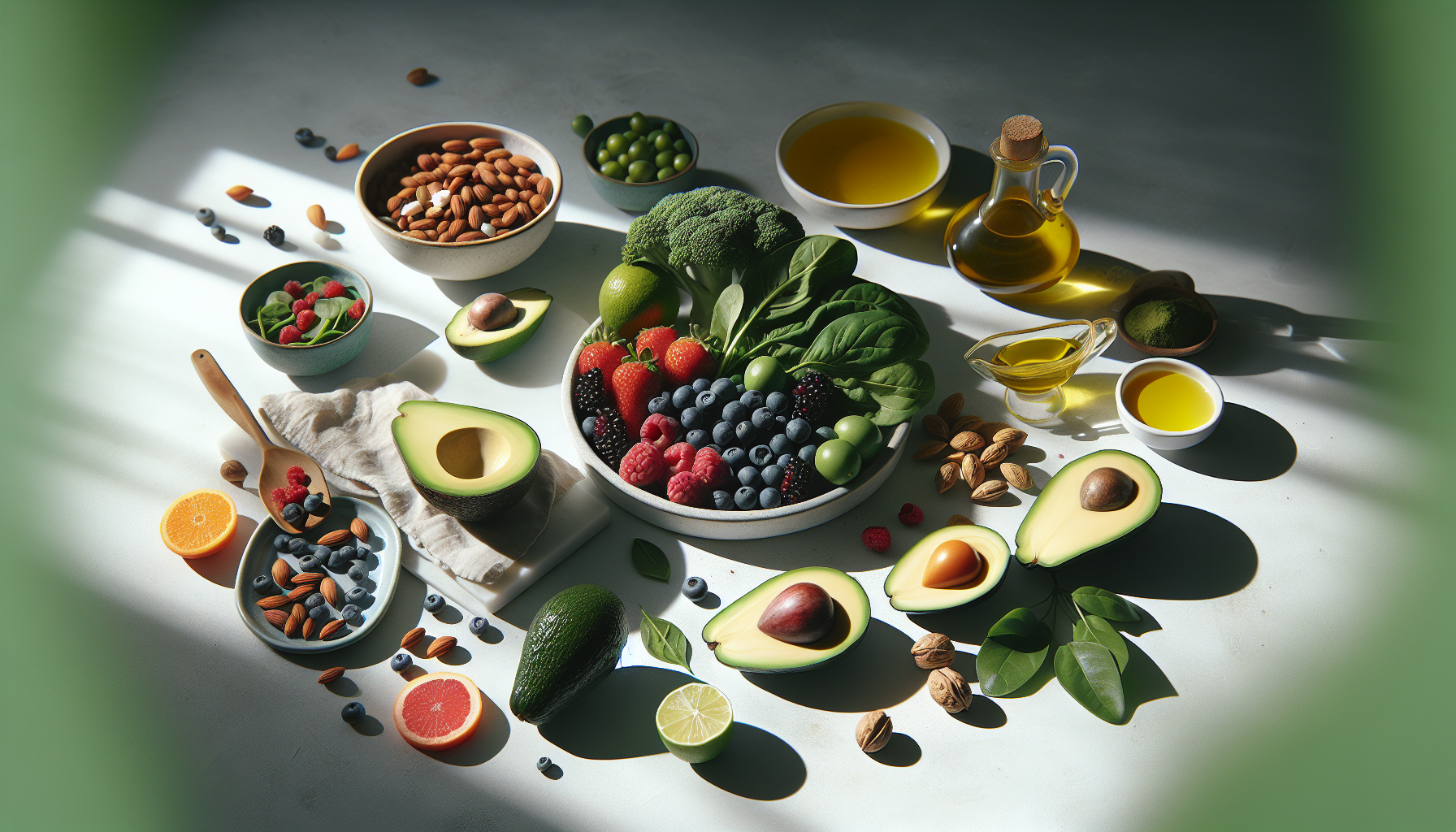
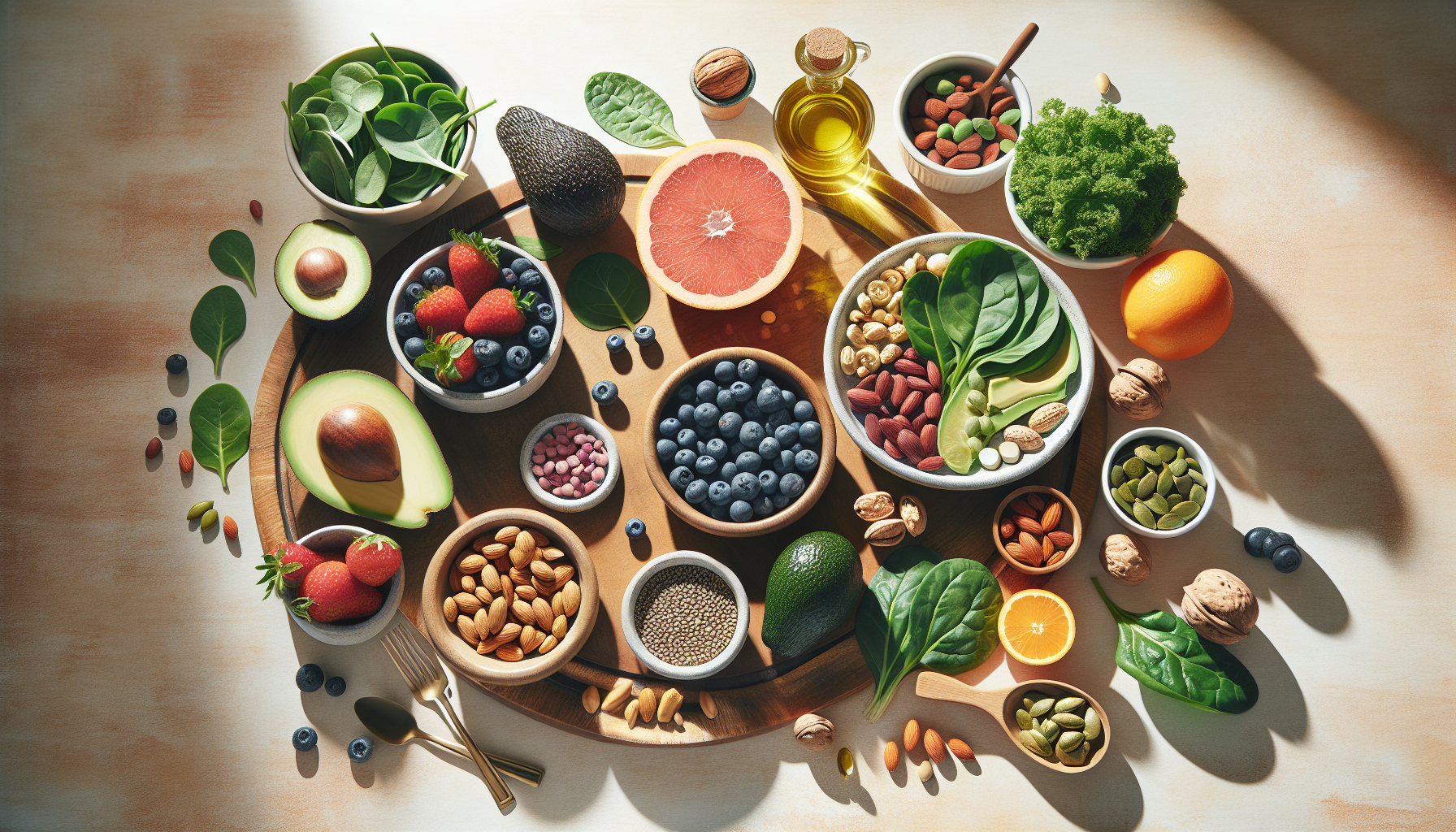
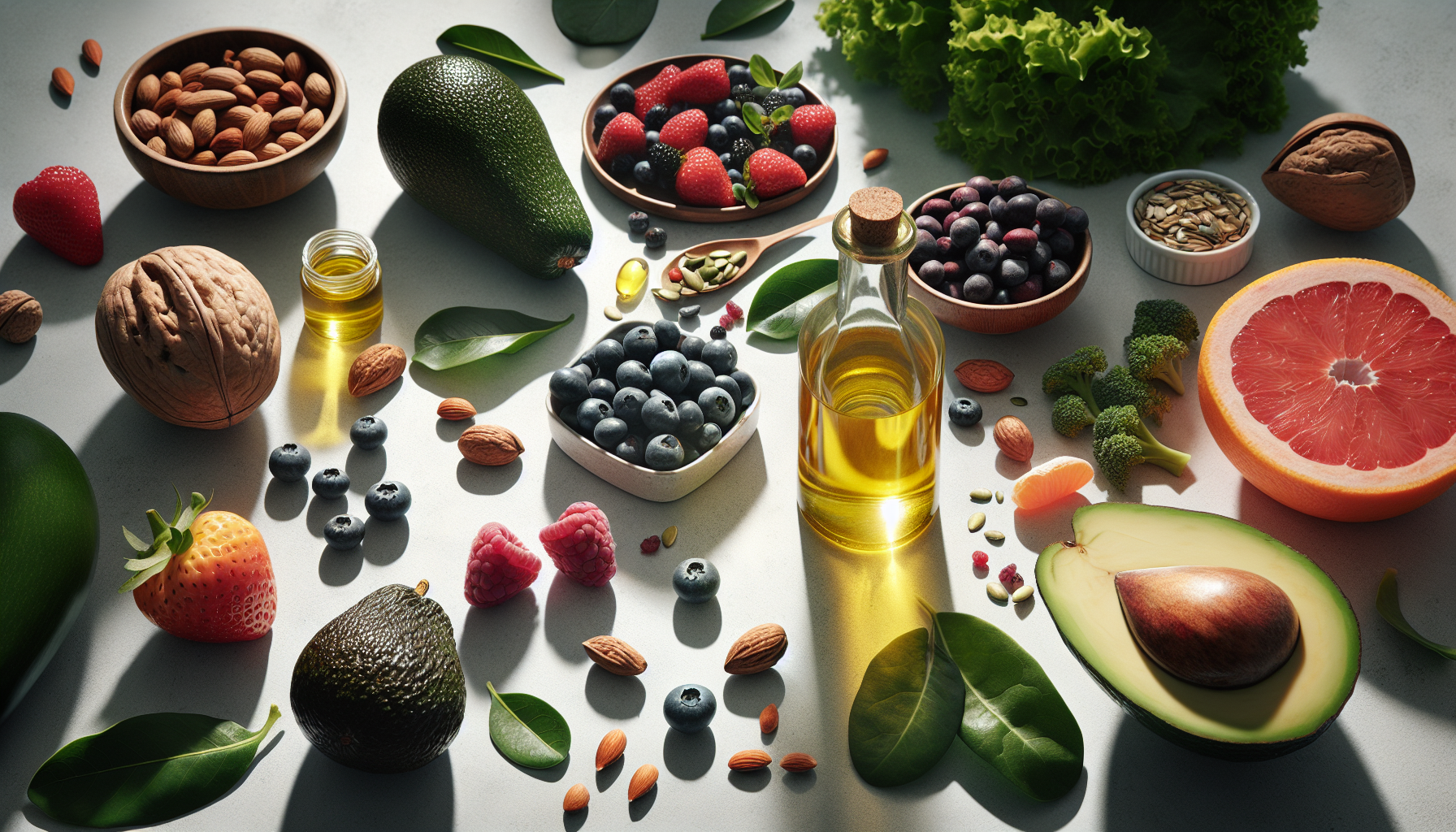
While there's no single miracle food for flawless skin, certain foods are commonly associated with a clearer, more glowing complexion. Berries, such as blueberries and strawberries, are packed with antioxidants that may help protect skin cells from damage.
Additionally, fatty fish like salmon and mackerel are rich in omega-3 fatty acids, which may support skin hydration and reduce inflammation. Leafy greens, nuts, and seeds also provide essential nutrients like vitamin E and zinc, which contribute to skin health.
Skin Health Foods That Support Hydration and Elasticity
Hydration is essential for maintaining skin elasticity and a youthful appearance. Foods high in water content, such as cucumbers and watermelon, can help keep your skin hydrated. Avocados are another excellent choice; packed with healthy fats and vitamin E, they may support skin elasticity and barrier function.
Incorporating nuts and seeds, such as almonds and flaxseeds, into your diet can provide essential fatty acids that help maintain skin moisture and elasticity.
The Role of Nutrition in Skin Aging and Wrinkles
As skin ages, it naturally loses collagen, leading to wrinkles and sagging. Nutrition plays a pivotal role in supporting collagen production and slowing the appearance of aging. Foods rich in vitamin C, like citrus fruits and bell peppers, are essential for collagen synthesis, helping to maintain skin structure.
Green tea, known for its high antioxidant content, may also help protect against collagen degradation, potentially reducing the appearance of wrinkles over time.
Foods That Help Support Collagen Naturally
Collagen is a protein that provides structure to your skin, and its natural production can be supported through diet. Bone broth, a popular choice for collagen, offers amino acids that are vital for collagen synthesis.
Moreover, soy products contain genistein, a plant compound that may help promote collagen production. Consuming a balanced diet with a variety of skin health foods can naturally support collagen levels.
Skin Health Foods for a Natural Glow
Achieving a natural glow involves more than just topical skincare; it requires nourishing your skin from within. Carrots and sweet potatoes, rich in beta-carotene, may enhance skin's radiance by converting to vitamin A in the body.
Adding turmeric to your meals can also provide anti-inflammatory benefits, potentially leading to a more vibrant complexion.
Common Myths About Food and Skin Health
There are many myths surrounding food and skin health. For instance, some believe chocolate causes acne, but there's limited evidence to support this claim. Instead, focus on a balanced diet that includes a variety of skin-supporting nutrients.
Another myth is that drinking lots of water alone can hydrate your skin. While hydration is important, it should be complemented with foods that support skin moisture.
Who Should Be Careful With Skin Health Foods
While many foods can support skin health, individuals with allergies or sensitivities should be cautious. Some foods may trigger allergic reactions or interact with medications, so it's important to consult a healthcare provider if you have concerns.
Individuals with specific dietary restrictions or medical conditions should tailor their diet to meet their unique needs, ensuring they get the necessary nutrients for skin health.
In conclusion, the foods you eat can have a significant impact on your skin's health as you age. By choosing a diet rich in antioxidants, healthy fats, and essential nutrients, you may support your skin's hydration, elasticity, and natural glow over time. Remember, a consistent and balanced approach to nutrition is key to fostering healthy skin.
This article is for informational purposes only and does not constitute medical advice. Individual responses may vary; consult a qualified professional for personalized guidance.
Myths vs Facts
Chocolate causes acne.
There is limited evidence linking chocolate to acne; focus on overall diet balance.
Drinking water alone hydrates the skin.
While important, water intake should be complemented by hydrating foods.
Anti-aging diets can instantly reverse wrinkles.
Diet supports skin health over time; there's no instant fix for wrinkles.
References
- American Academy of Dermatology - Nutrition and Skin Health
- Harvard Health Publishing - The truth about skin care: 5 myths debunked
- National Institute on Aging - Skin Care and Aging
Frequently Asked Questions
Can diet really impact skin health?
What foods should I eat for better skin?
How does hydration affect skin?
Are there foods that naturally support collagen?
What are common myths about food and skin?
Disclaimer: The information on this site is for educational and informational purposes only. It is not intended as medical advice. Always consult a qualified healthcare professional before making changes to your diet, exercise, or health routine. Results may vary.
Last updated: February 28, 2026.