Foods Linked to a Natural Skin Glow
Quick Take
- ✓ Certain foods may enhance skin appearance by supporting hydration and elasticity.
- ✓ Antioxidant-rich foods can help protect against skin damage and promote a natural glow.
- ✓ Incorporating collagen-supporting foods like citrus fruits and bone broth may benefit skin structure.
Foods Linked to a Natural Skin Glow
The quest for radiant skin often leads us to explore various skincare regimes, but the secret to a natural glow may actually begin in the kitchen. The connection between what we eat and our skin health is increasingly recognized, with certain foods potentially enhancing skin appearance. Incorporating skin health foods into your diet may support a more luminous complexion.
From boosting hydration to supporting collagen production, the right nutrients can play a significant role in how our skin looks and feels. Explore the world of nutrition as it relates to skin health and discover foods that may be linked to a natural skin glow.
Why What You Eat Can Affect Your Skin
The skin is the body's largest organ and is often a reflection of overall health. Nutritional intake can influence skin in several ways, affecting hydration, elasticity, and the skin barrier. Foods rich in antioxidants, vitamins, and healthy fats are associated with enhancing skin's natural radiance.
Antioxidants, found in fruits and vegetables, help combat oxidative stress, which can prematurely age skin. Meanwhile, vitamins like vitamin C and E support skin repair and resilience. Healthy fats, such as omega-3 fatty acids, play a crucial role in maintaining the skin's lipid barrier, crucial for hydration and protection.
Foods Commonly Linked to Clear, Glowing Skin
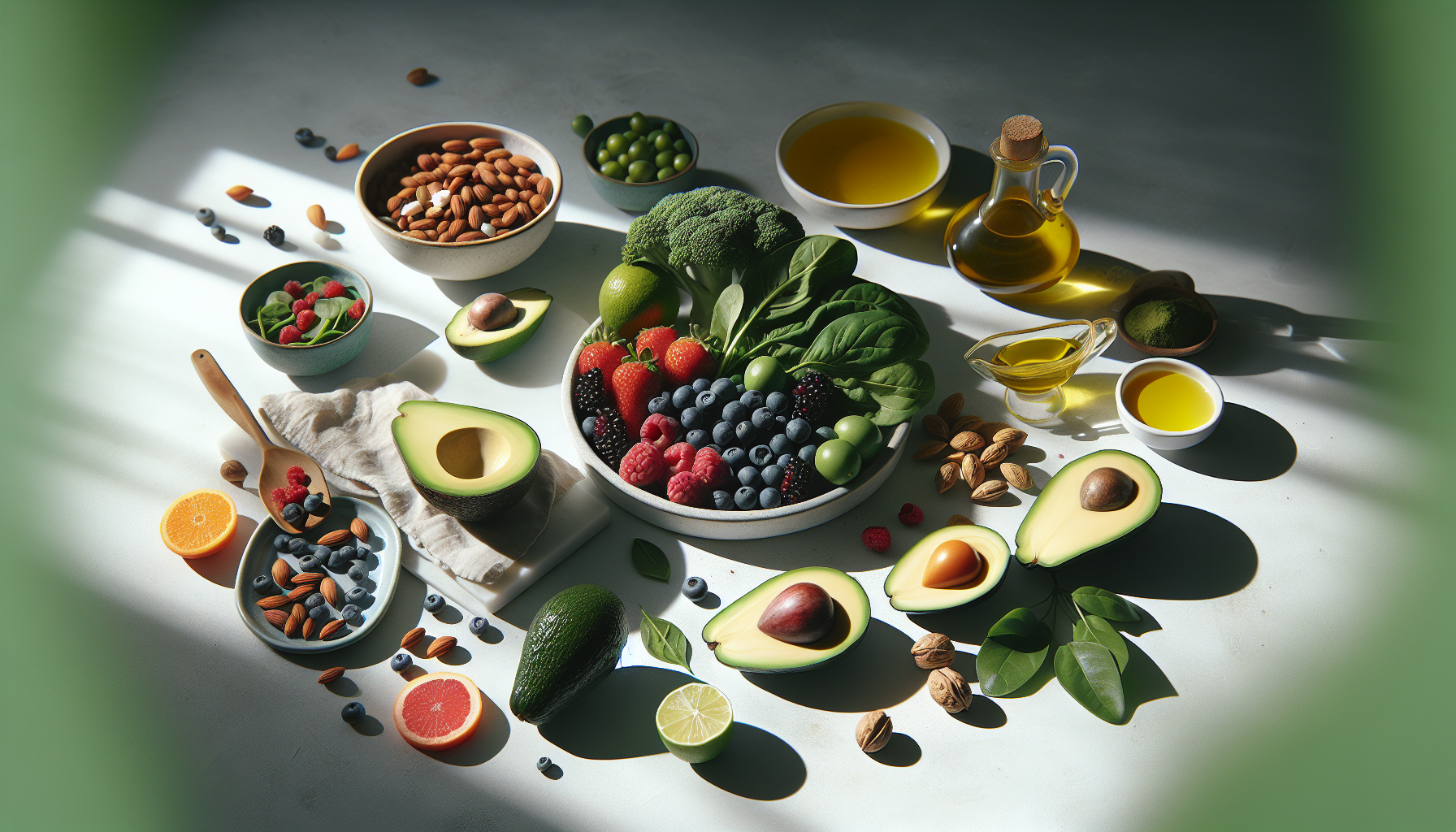
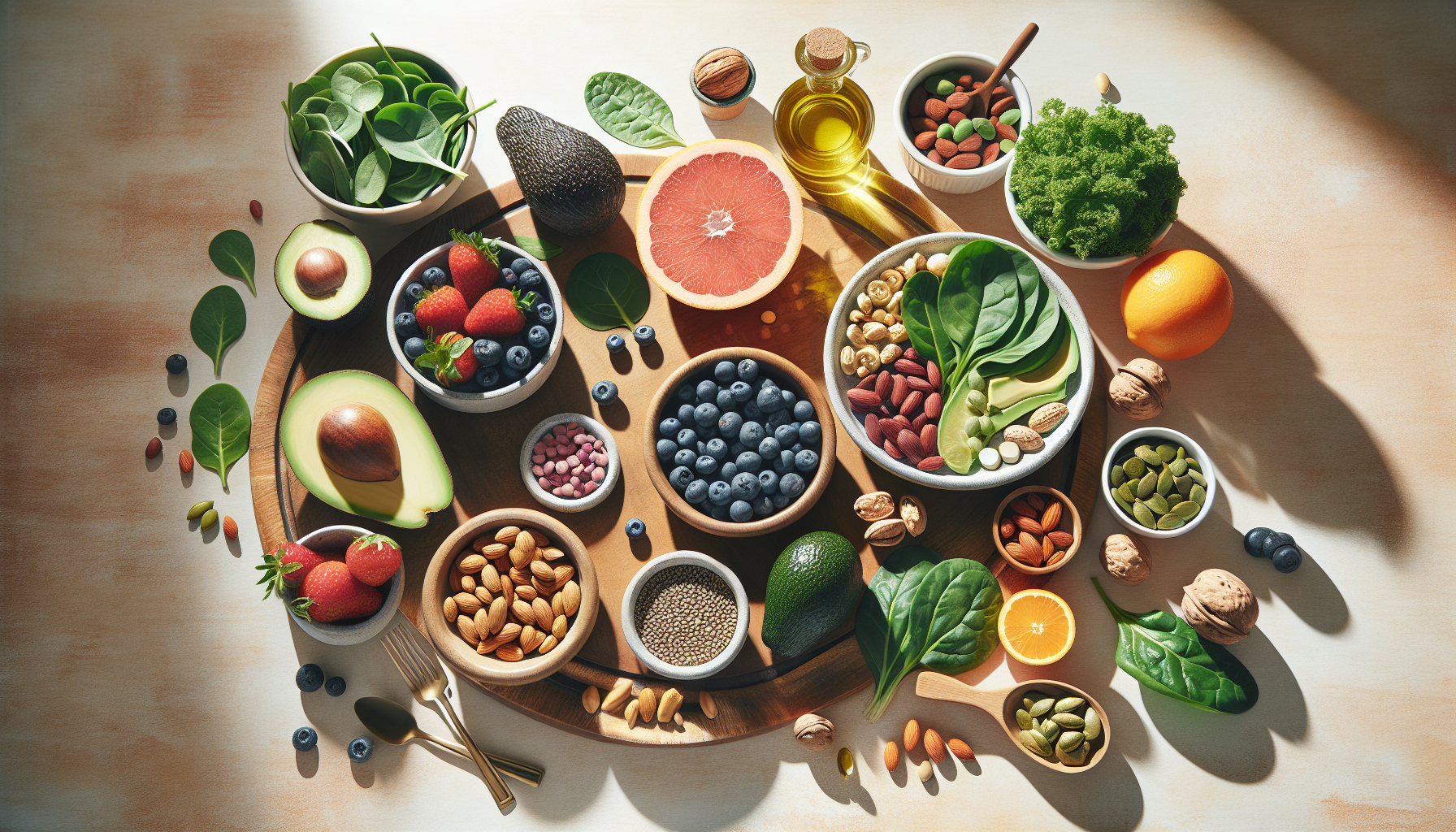
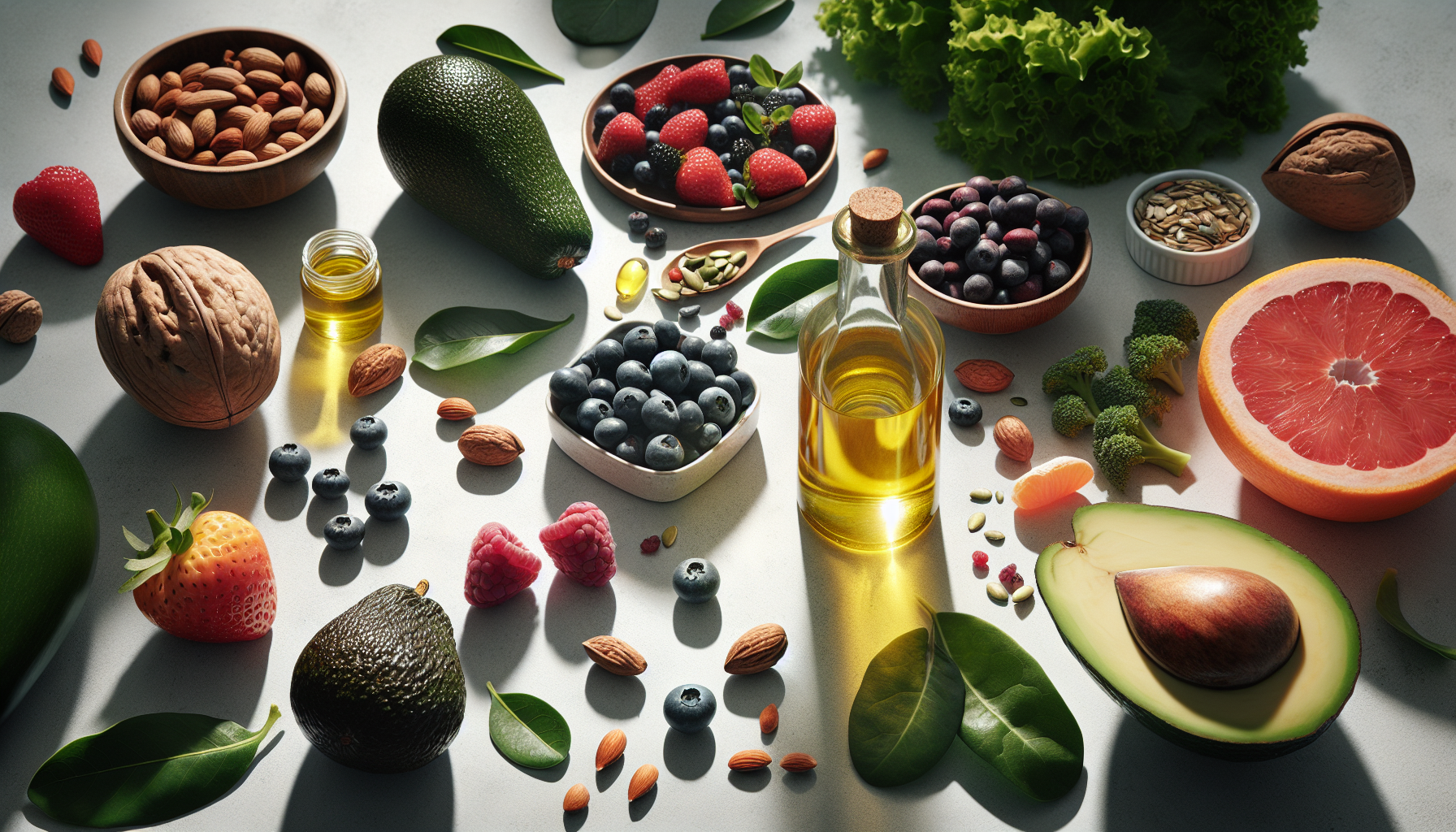
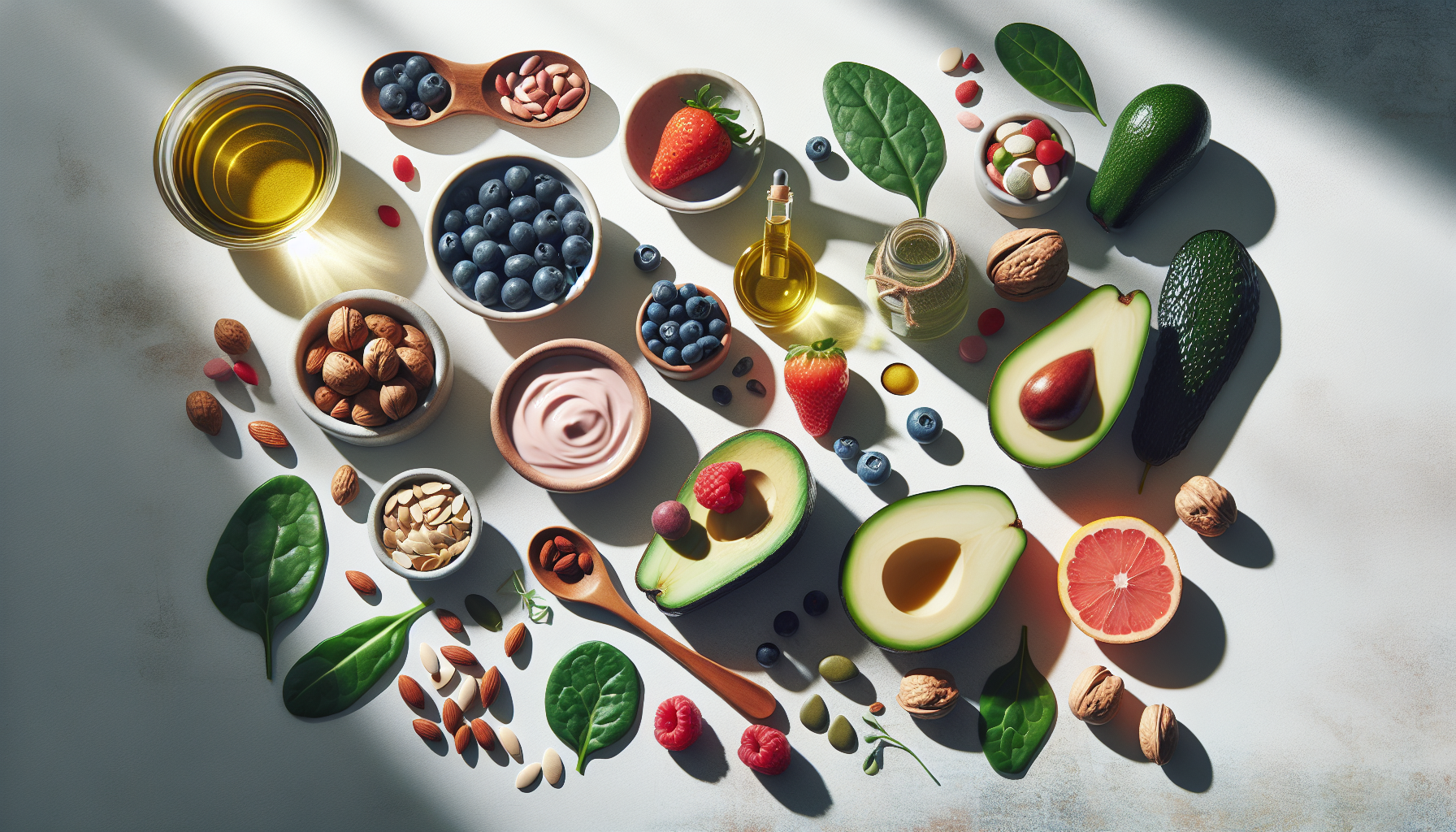
A variety of foods are known for their potential to support skin health. Berries, rich in antioxidants, can help protect skin from damage. Leafy greens provide a wealth of vitamins that promote skin repair and hydration.
Fatty fish like salmon is a great source of omega-3 fatty acids, which may help improve skin elasticity and moisture. Nuts and seeds, such as almonds and flaxseeds, offer vitamin E and fatty acids that can enhance skin texture and tone naturally.
Skin Health Foods That Support Hydration and Elasticity
Hydration is a cornerstone of healthy skin. Foods with high water content, like cucumbers and watermelon, contribute to overall hydration. This can help maintain skin elasticity and plumpness.
Aloe vera, often used topically, can also be consumed to aid hydration and soothe skin from the inside out. Including foods with natural oils like avocados can further support the skin's moisture barrier, promoting elasticity and softness.
The Role of Nutrition in Skin Aging and Wrinkles
While aging is a natural process, diet can influence how gracefully we age. Antioxidant-rich foods may protect against free radicals that contribute to skin aging and wrinkles.
Vitamin C, found abundantly in citrus fruits, is essential for collagen synthesis, a protein that maintains skin's firmness. Vitamin A and beta-carotene, present in carrots and sweet potatoes, can also support skin renewal and repair, potentially minimizing the appearance of fine lines.
Foods That Help Support Collagen Naturally
Collagen is crucial for maintaining skin structure and elasticity. Bone broth, rich in collagen, can be a supportive addition to your diet. Garlic contains sulfur, a trace mineral that helps synthesize and prevent the breakdown of collagen.
Citrus fruits, rich in vitamin C, play a pivotal role in collagen production, while leafy greens provide vitamin K, which may support skin elasticity by enhancing collagen stability.
Skin Health Foods for a Natural Glow
A natural glow is often associated with well-nourished skin. Carotenoid-rich foods, such as carrots and tomatoes, may impart a natural glow due to their pigment and antioxidant properties.
Green tea, high in polyphenols, can support skin health by reducing inflammation and oxidative stress, contributing to a more even skin tone. Additionally, dark chocolate, with flavonoids, may enhance skin hydration and thickness, offering a radiant appearance.
Common Myths About Food and Skin Health
Several myths surround the impact of diet on skin health. One common misconception is that chocolate causes acne. While excess sugar can exacerbate skin issues, moderate dark chocolate consumption can be beneficial due to its antioxidants.
Another myth is that all fats are bad for skin. In reality, healthy fats are essential for maintaining the skin's lipid barrier. Understanding these myths allows for informed dietary choices that support skin health.
Who Should Be Careful With Skin Health Foods
While many foods can support skin health, individuals with allergies or sensitivities should be cautious. For example, nuts are a common allergen but are also a good source of skin-nourishing nutrients.
Those on medication should consult with healthcare providers to ensure foods like grapefruit, which can interact with certain drugs, are safe to include in their diet. Always consider personal health conditions when incorporating new foods into your routine.
In conclusion, the foods we consume can significantly impact our skin's appearance. By integrating skin health foods into your diet, you may support hydration, elasticity, and a natural glow over time. Remember, variety and balance are key to achieving and maintaining healthy, radiant skin.
This article is for informational purposes only and does not constitute medical advice. Individual responses may vary; consult a qualified professional for personalized guidance.
Myths vs Facts
Chocolate causes acne.
Moderate dark chocolate consumption can be beneficial due to its antioxidants.
All fats are bad for skin.
Healthy fats are crucial for maintaining the skin's lipid barrier and overall health.
Only topical products affect skin health.
Diet plays a significant role in skin health, influencing hydration and elasticity from within.
References
- Harvard Health Publishing - Diet and Skin Health
- American Academy of Dermatology - The Role of Nutrition in Skin Health
- Journal of Clinical and Aesthetic Dermatology - The Link Between Diet and Skin
Frequently Asked Questions
Can diet really affect skin health?
What are some foods that promote a glowing complexion?
How do antioxidants benefit the skin?
Is it true that chocolate causes acne?
Who should be cautious with skin health foods?
Disclaimer: The information on this site is for educational and informational purposes only. It is not intended as medical advice. Always consult a qualified healthcare professional before making changes to your diet, exercise, or health routine. Results may vary.
Last updated: February 27, 2026.