How Diet May Influence Skin Appearance Over Time
Quick Take
- ✓ Diet plays a critical role in supporting skin health and appearance.
- ✓ Foods rich in antioxidants and healthy fats may promote a glowing complexion.
- ✓ Hydration and collagen support through diet can enhance skin elasticity and firmness.
How Diet May Influence Skin Appearance Over Time
In the quest for healthy, glowing skin, many turn to skincare products, but diet also plays a crucial role. The foods you consume can significantly affect your skin's appearance over time. From hydration and elasticity to collagen production and radiance, what you eat may impact skin health in remarkable ways.
Understanding the link between nutrition and skin can empower you to make informed dietary choices that support a vibrant complexion. Let's dive into how diet may influence your skin's appearance and explore some of the best foods for maintaining that sought-after glow.
Why What You Eat Can Affect Your Skin
The skin is the body's largest organ and serves as a barrier against environmental stressors. What you eat provides the nutrients that support this barrier function and overall skin health. Vitamins, minerals, and antioxidants found in various foods may help protect the skin from damage, reduce inflammation, and promote repair.
For example, omega-3 fatty acids in fish and flaxseed are associated with reducing inflammation, which can support clearer skin. Additionally, antioxidants like vitamins C and E found in fruits and vegetables may help neutralize free radicals, potentially slowing skin aging.
Foods Commonly Linked to Clear, Glowing Skin
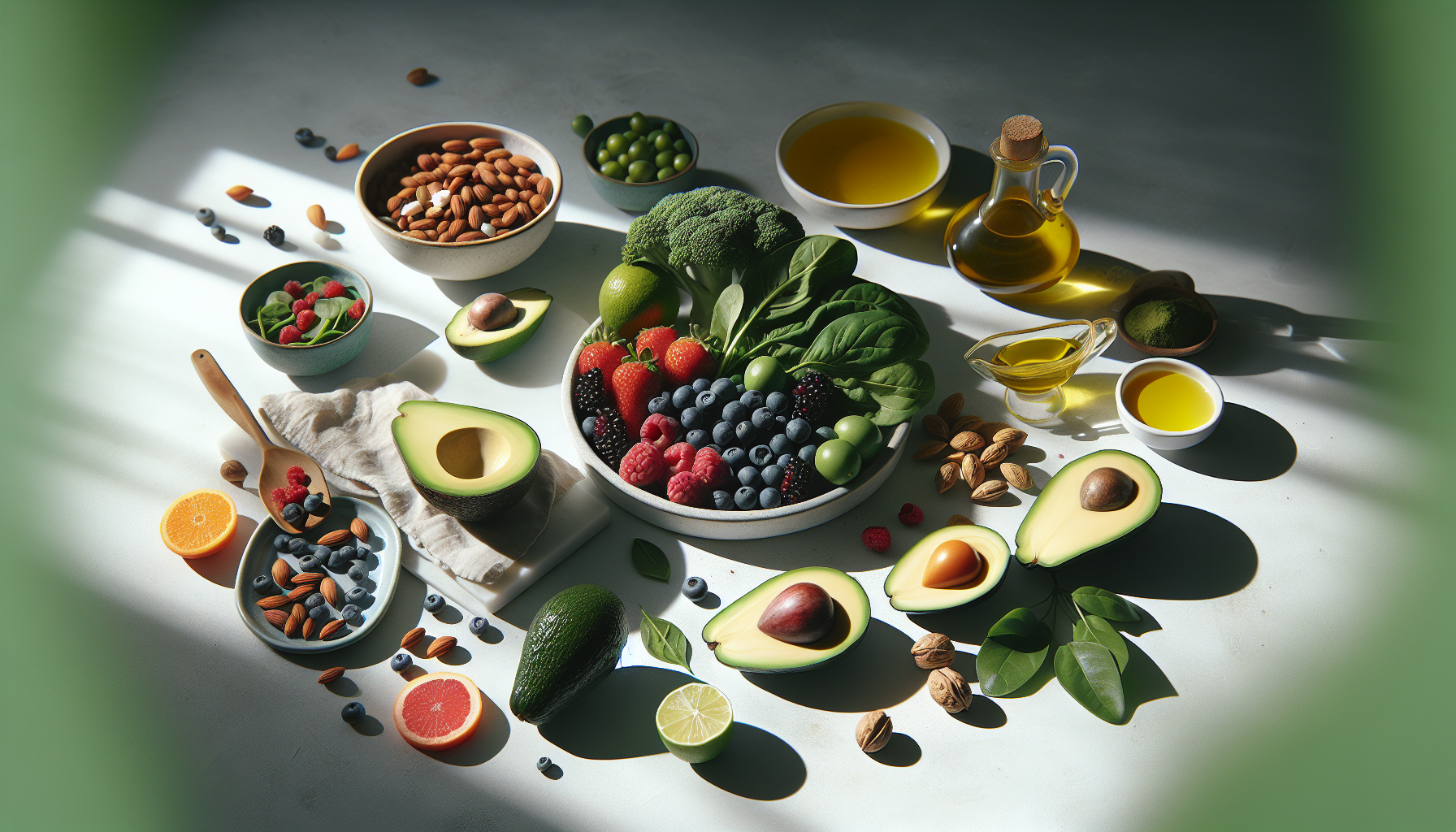
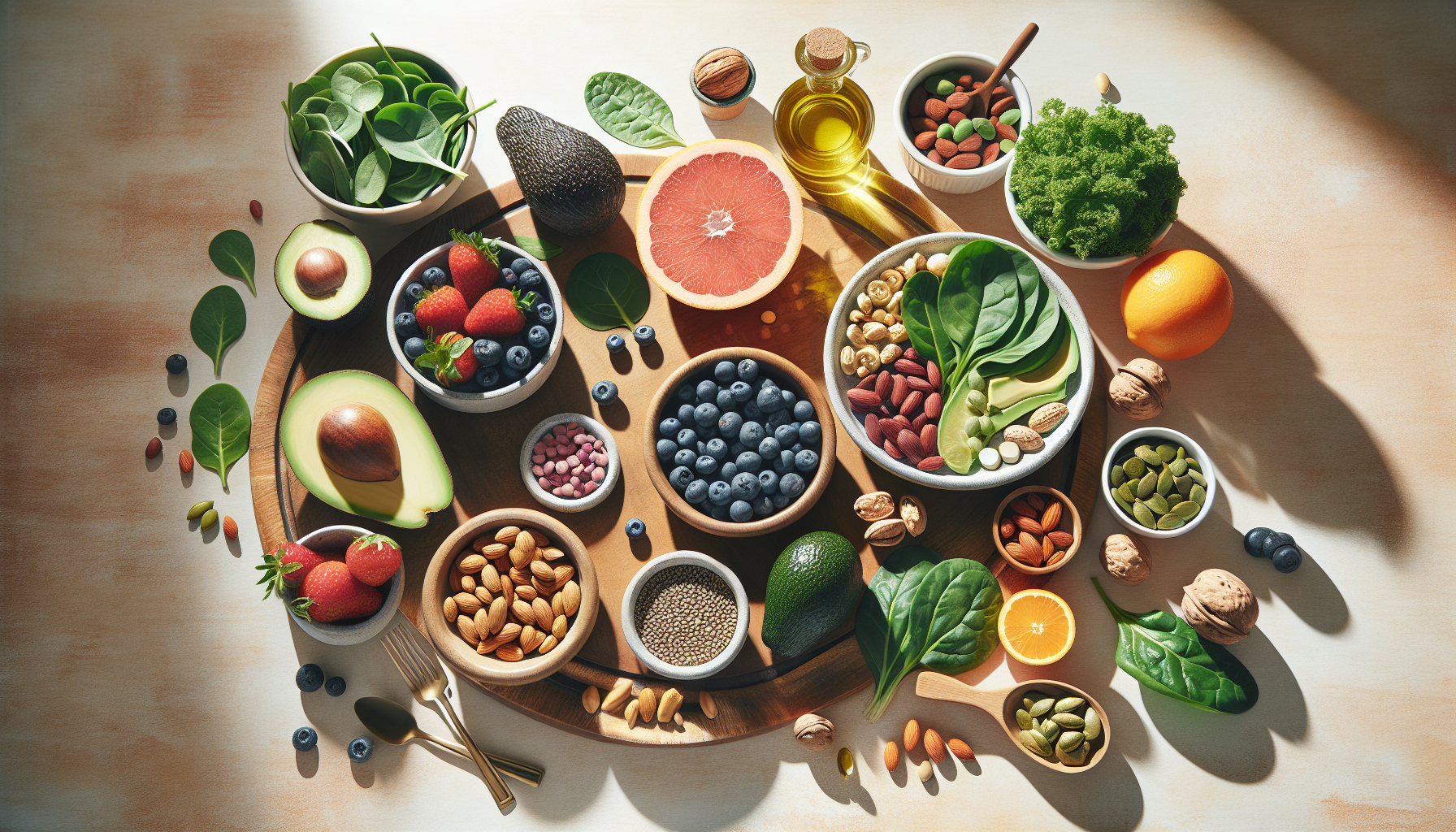
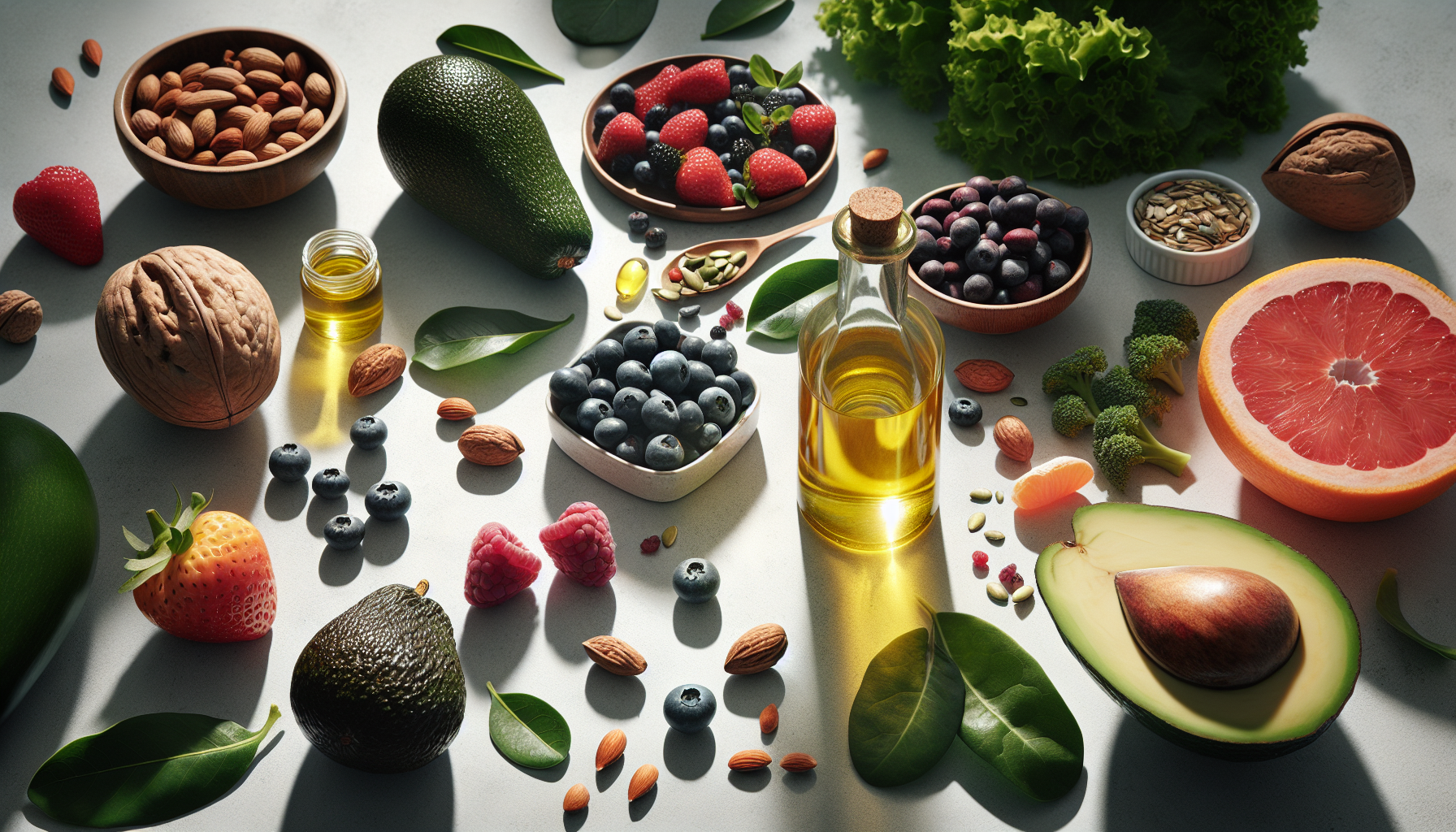
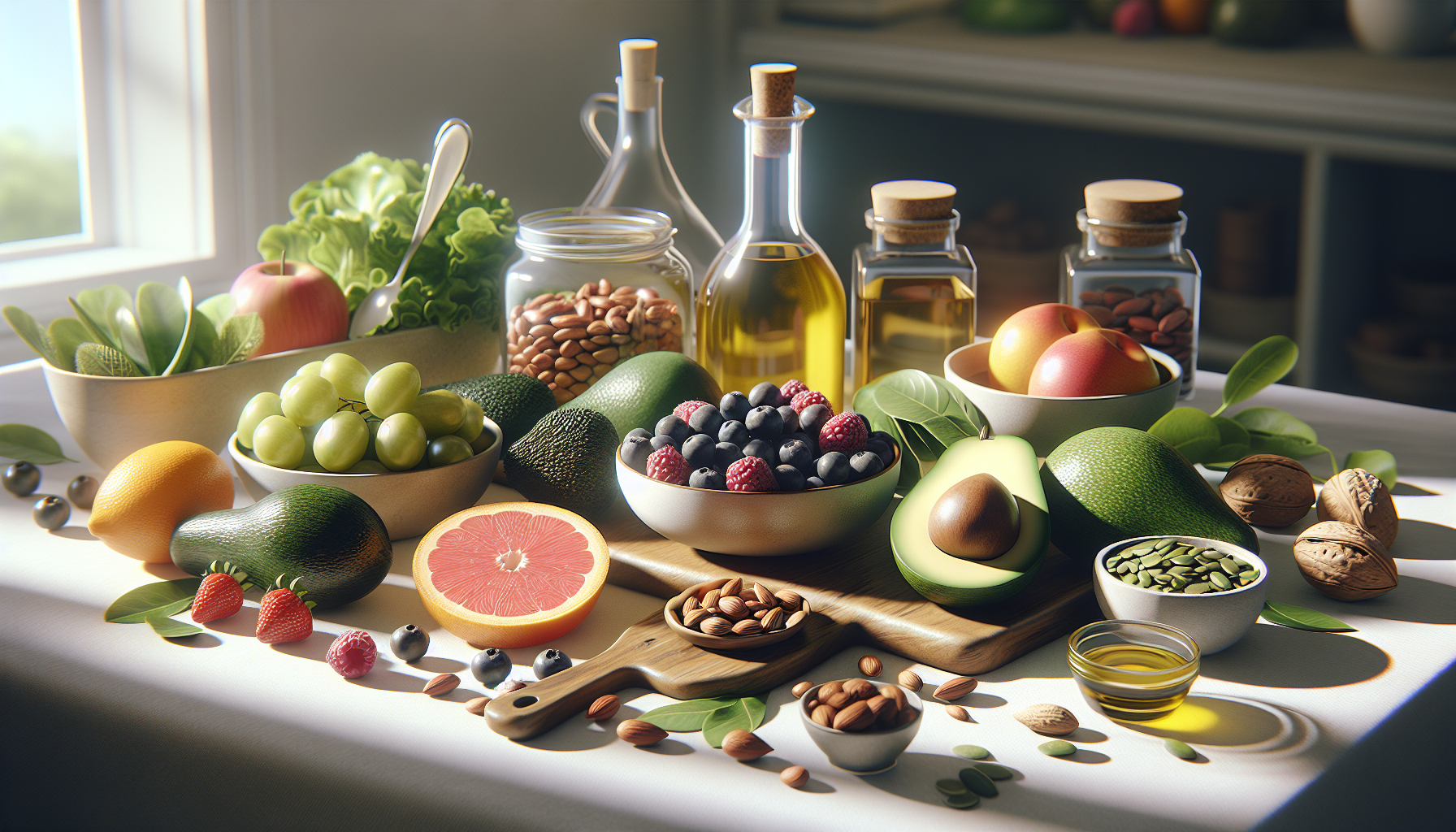
Several foods are often associated with promoting clear, glowing skin. Berries, rich in antioxidants, may protect against oxidative stress. Avocados, with their healthy fats, are known for supporting skin hydration and elasticity.
Incorporating tomatoes into your diet could be beneficial due to their lycopene content, which may help protect skin from UV damage. Additionally, green tea, renowned for its anti-inflammatory properties, could contribute to a more radiant complexion.
Skin Health Foods That Support Hydration and Elasticity
Hydration is key to maintaining supple skin, and certain foods can support this. Cucumber and watermelon, with high water content, can help keep your skin hydrated. Foods rich in vitamin E, such as almonds and sunflower seeds, may also promote skin elasticity.
Furthermore, sweet potatoes, rich in beta-carotene, might enhance the skin's natural glow by supporting healthy skin cell turnover. Consider adding these hydrating foods to your diet for skin that appears plump and youthful.
The Role of Nutrition in Skin Aging and Wrinkles
As we age, our skin naturally loses elasticity and firmness. However, nutrition can play a supportive role in this process. Foods high in antioxidants, such as dark chocolate and pomegranates, may help combat oxidative stress, which is linked to skin aging.
Protein-rich foods like chicken, eggs, and beans are associated with supporting collagen production, which is essential for maintaining skin structure. By incorporating these foods into your meals, you may help slow the appearance of wrinkles over time.
Foods That Help Support Collagen Naturally
Collagen is a protein that gives skin its firmness and elasticity. Vitamin C-rich foods, such as oranges and strawberries, are essential for collagen synthesis. Bone broth, a source of collagen, may support skin health when consumed regularly.
Leafy greens like spinach and kale, packed with vitamins and minerals, can also contribute to collagen production. By focusing on these collagen-supporting foods, you may promote skin that looks firmer and more resilient.
Skin Health Foods for a Natural Glow
Achieving a natural glow may be as simple as including certain foods in your diet. Carrots and apricots, high in beta-carotene, can contribute to a sun-kissed appearance. Turmeric, known for its anti-inflammatory properties, may also support a glowing complexion.
Incorporating fatty fish like salmon into your diet provides omega-3s, which could enhance skin radiance. By choosing these nutrient-dense foods, you can nurture a naturally glowing complexion.
Common Myths About Food and Skin Health
Navigating the world of nutrition and skin health can be tricky with various myths circulating. One common misconception is that chocolate causes acne; however, it's more about the type and quantity of chocolate consumed.
Another myth is that greasy foods lead to oily skin. While diet can influence skin, oil production is primarily genetic. Understanding these myths can help you make better dietary choices without unnecessary restrictions.
Who Should Be Careful With Skin Health Foods
While many foods support skin health, some individuals may need to exercise caution. Those with food allergies or sensitivities should be aware of potential triggers. For example, dairy can exacerbate acne in some individuals.
Additionally, certain foods may interact with medications, so consulting with a healthcare provider is advisable. Being mindful of how your body responds to different foods can help you tailor your diet for optimal skin health.
In conclusion, the foods you choose to consume can play a significant role in supporting skin health and appearance over time. By prioritizing a diet rich in vitamins, minerals, and antioxidants, you may promote skin hydration, elasticity, and a youthful glow. Remember, individual responses to foods can vary, so it's essential to observe how your skin reacts and adjust accordingly.
This article is for informational purposes only and does not constitute medical advice. Individual responses may vary; consult a qualified professional for personalized guidance.
Myths vs Facts
Chocolate causes acne.
There is no direct link, but high-sugar and high-fat diets may exacerbate acne.
Greasy foods make your skin oily.
Oil production is primarily genetic, although diet can influence skin health.
Drinking water is the only way to hydrate skin.
Hydration can also come from water-rich foods like fruits and vegetables.
References
- National Institutes of Health - Antioxidants and Skin Health
- Journal of Clinical and Aesthetic Dermatology - Nutrition and Skin Health
- American Academy of Dermatology - Diet and Skin Health
Frequently Asked Questions
Can diet alone improve skin health?
Are there specific foods that can cause acne?
How long does it take to see skin improvements from dietary changes?
Do all antioxidants benefit skin health?
Is hydration from food enough for skin health?
Disclaimer: The information on this site is for educational and informational purposes only. It is not intended as medical advice. Always consult a qualified healthcare professional before making changes to your diet, exercise, or health routine. Results may vary.
Last updated: February 27, 2026.